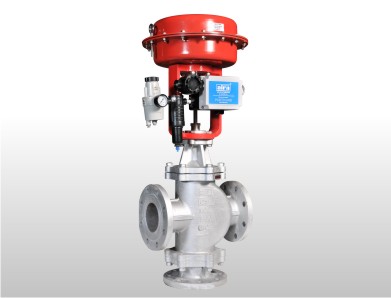
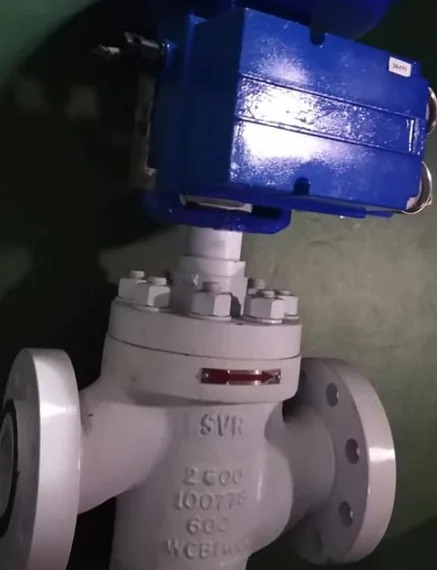
Comprehensive Valve Troubleshooting Guide: Understanding and Resolving Issues
Directional Control Valves (DCVs) are pivotal in the operation of pneumatic and hydraulic systems, managing the flow of fluid or air with precision. However, like any mechanical device, they are susceptible to malfunctions over time. A robust valve troubleshooting guide is indispensable for identifying and rectifying these issues efficiently. In this section, we delve into the fundamental steps and considerations for effective troubleshooting of DCVs.
Firstly, it's crucial to familiarize oneself with the specific type of valve in question. DCVs come in various types, including spool valves, poppet valves, and rotary valves, each with unique operational characteristics and potential failure points. Understanding these nuances is the first step in effective troubleshooting.
Next, a systematic approach to troubleshooting should be adopted. Begin by examining the most common issues such as leaks, blockages, or mechanical wear. Inspecting the valve for visible signs of damage or wear can often provide immediate insights into the problem. Additionally, understanding the system's history, including any recent changes or maintenance activities, can offer valuable context for diagnosing the issue.
In-Depth Valve System Diagnostics: Identifying the Root Causes
Effective diagnostics of a valve system requires a methodical approach to identify the root causes of malfunctions. This involves a combination of visual inspections, performance testing, and analysis of system data. A thorough diagnostic process not only pinpoints the issue but also informs the appropriate corrective actions.
Start by conducting a visual inspection of the valve and its surroundings. Look for signs of leaks, corrosion, or physical damage. These can be indicative of underlying problems such as seal failures or structural weaknesses. Additionally, listen for unusual noises during operation, which may suggest internal obstructions or mechanical misalignments.
Performance testing is another critical aspect of valve diagnostics. This involves measuring parameters such as flow rate, pressure, and response time to assess the valve's functionality. Deviations from expected performance metrics can highlight specific areas of concern, guiding further investigation.
Finally, analyzing system data can provide valuable insights into the valve's operational history. This includes reviewing maintenance records, past performance data, and any recorded incidents of malfunction. Such analysis can reveal patterns or recurring issues, aiding in the identification of root causes.
Enhancing Control Valve Efficiency: Practical Tips and Strategies
Optimizing the efficiency of control valves is essential for maintaining the overall performance of pneumatic and hydraulic systems. By implementing practical tips and strategies, operators can ensure that valves operate at peak efficiency, reducing the likelihood of malfunctions and extending the lifespan of the components.
Regular maintenance is a cornerstone of valve efficiency. This includes routine inspections, cleaning, and lubrication of moving parts to prevent wear and tear. Additionally, replacing worn seals and gaskets promptly can prevent leaks and maintain optimal pressure levels.
Calibration is another critical factor in valve efficiency. Ensuring that valves are correctly calibrated to the system's specifications can prevent issues related to incorrect flow rates or pressures. Regular calibration checks should be part of the maintenance routine to ensure consistent performance.
Finally, investing in high-quality components and materials can significantly enhance valve efficiency. While initial costs may be higher, the long-term benefits of reduced maintenance and improved performance can outweigh these expenses.
Advanced Valve Repair Techniques: Restoring Functionality
When troubleshooting reveals issues that cannot be resolved through simple adjustments or maintenance, advanced valve repair techniques may be necessary. These techniques aim to restore the valve's functionality and prevent future malfunctions.
One of the most common repair techniques is the replacement of damaged or worn components. This may include seals, springs, or other internal parts that have degraded over time. Ensuring that replacement parts are of high quality and compatible with the specific valve model is crucial for successful repairs.
In some cases, re-machining or reconditioning of valve components may be required. This involves reshaping or refurbishing parts to restore their original dimensions and functionality. Such techniques require specialized equipment and expertise, making them best suited for professional repair facilities.
Finally, upgrading to more advanced valve designs or materials can be a viable repair strategy. This can enhance performance and reliability, reducing the likelihood of future issues.
Effective Valve Blockage Solutions: Clearing Obstructions
Blockages in directional control valves can severely impede system performance, leading to reduced efficiency or complete failure. Addressing these blockages promptly and effectively is crucial for maintaining system functionality.
Identifying the source of the blockage is the first step in resolving the issue. This may involve inspecting the valve and associated piping for debris, sediment, or other obstructions. In many cases, flushing the system with a suitable cleaning solution can remove minor blockages and restore normal operation.
For more stubborn blockages, disassembly of the valve may be necessary. This allows for a thorough cleaning of internal components and the removal of any accumulated debris. Careful reassembly and testing are essential to ensure that the valve operates correctly after cleaning.
Preventative measures can also help reduce the occurrence of blockages. This includes regular system flushing, installation of filters or strainers, and ensuring that fluids used in the system are free from contaminants.
Identifying and Addressing Control Valve Common Faults
Understanding common faults in control valves is essential for effective troubleshooting and maintenance. By recognizing these issues, operators can take proactive measures to address them before they lead to significant system failures.
Common faults include leaks, which can result from damaged seals or improper assembly. Addressing leaks promptly is crucial to maintain system pressure and prevent fluid loss. Regular inspection and replacement of seals can mitigate this issue.
Another frequent issue is valve sticking, which can occur due to debris accumulation or mechanical wear. Ensuring regular cleaning and lubrication can prevent sticking and ensure smooth operation.
Finally, incorrect valve calibration can lead to performance issues such as improper flow rates or pressures. Regular calibration checks and adjustments are necessary to maintain optimal valve performance.
By understanding and addressing these common faults, operators can ensure the reliable operation of directional control valves, minimizing downtime and maximizing system efficiency.

Transcatheter aortic valve replacement (TAVR) or Transcatheter aortic valve implantation (TAVI) is a minimally invasive surgical process that repairs the aortic valve by replacing a new biological valve into the old aortic valve’s place without the need of removing damaged valve.https://brandessenceresearch.com/healthcare/transcatheter-aortic-valve-replacement-market