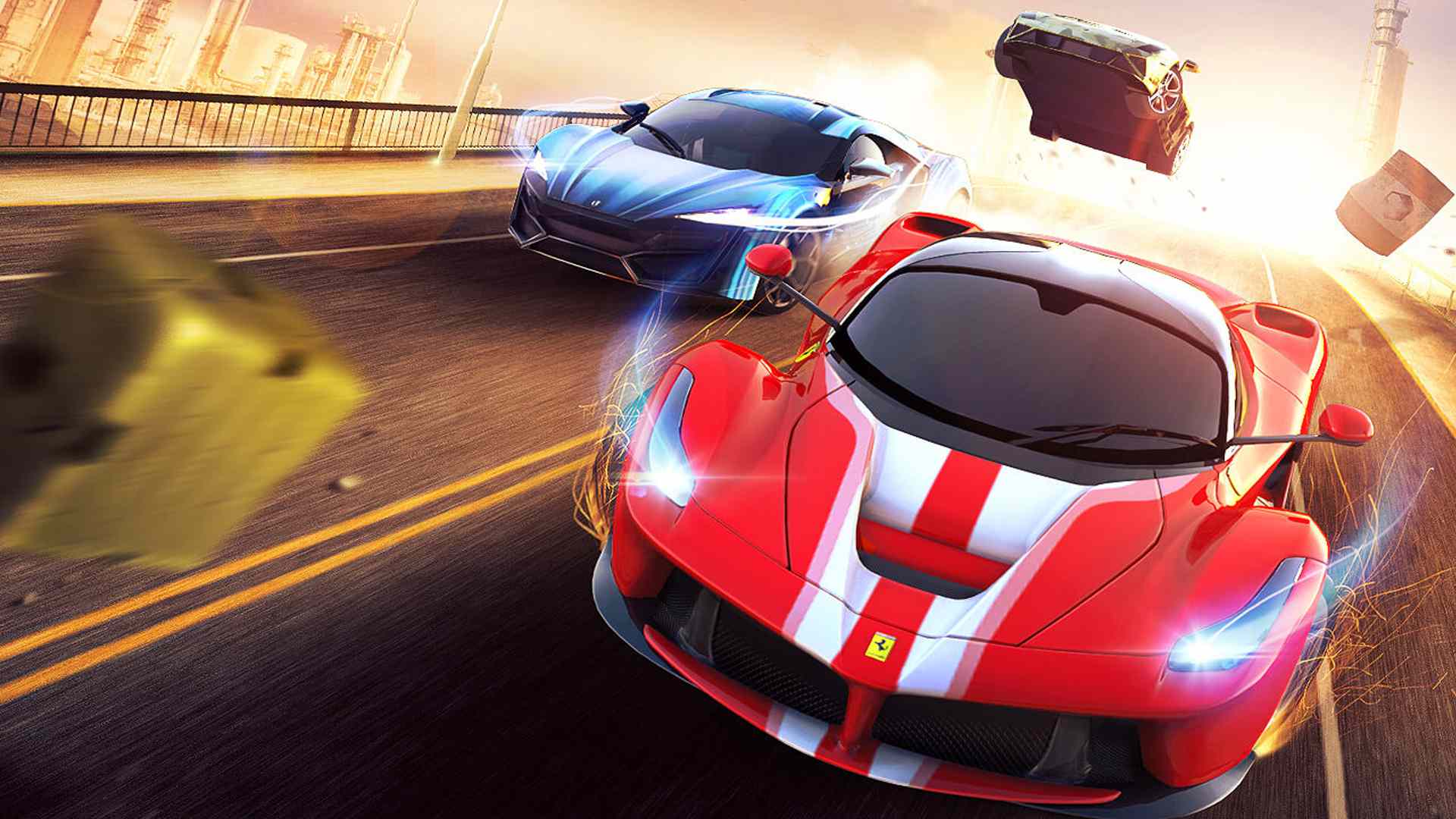
Formula racing board games bring speed, strategy, and competition. They capture the spirit of motorsport without a screen. Many players think video racing games are the best way to enjoy the thrill of racing, but board games offer something different. They demand patience, planning, and player interaction. Let’s look at how a formula racing game differs from its digital counterpart.
The Art of Strategy and Planning
Board games rely on tactics over reflexes. Every move counts. A single wrong decision can cost a race. Players must think ahead, plan overtakes, and manage risks. Unlike video games, there are no instant resets or assists. It’s all about judgment and timing.
Positioning plays a considerable role. Cars block each other, making overtaking tough. Many formula racing board games take inspiration from actual race mechanics. Tire wear, fuel management, and slipstreams make the game feel authentic. Instead of focusing on quick reactions, players focus on execution.
Immersive Design and Aesthetic Appeal
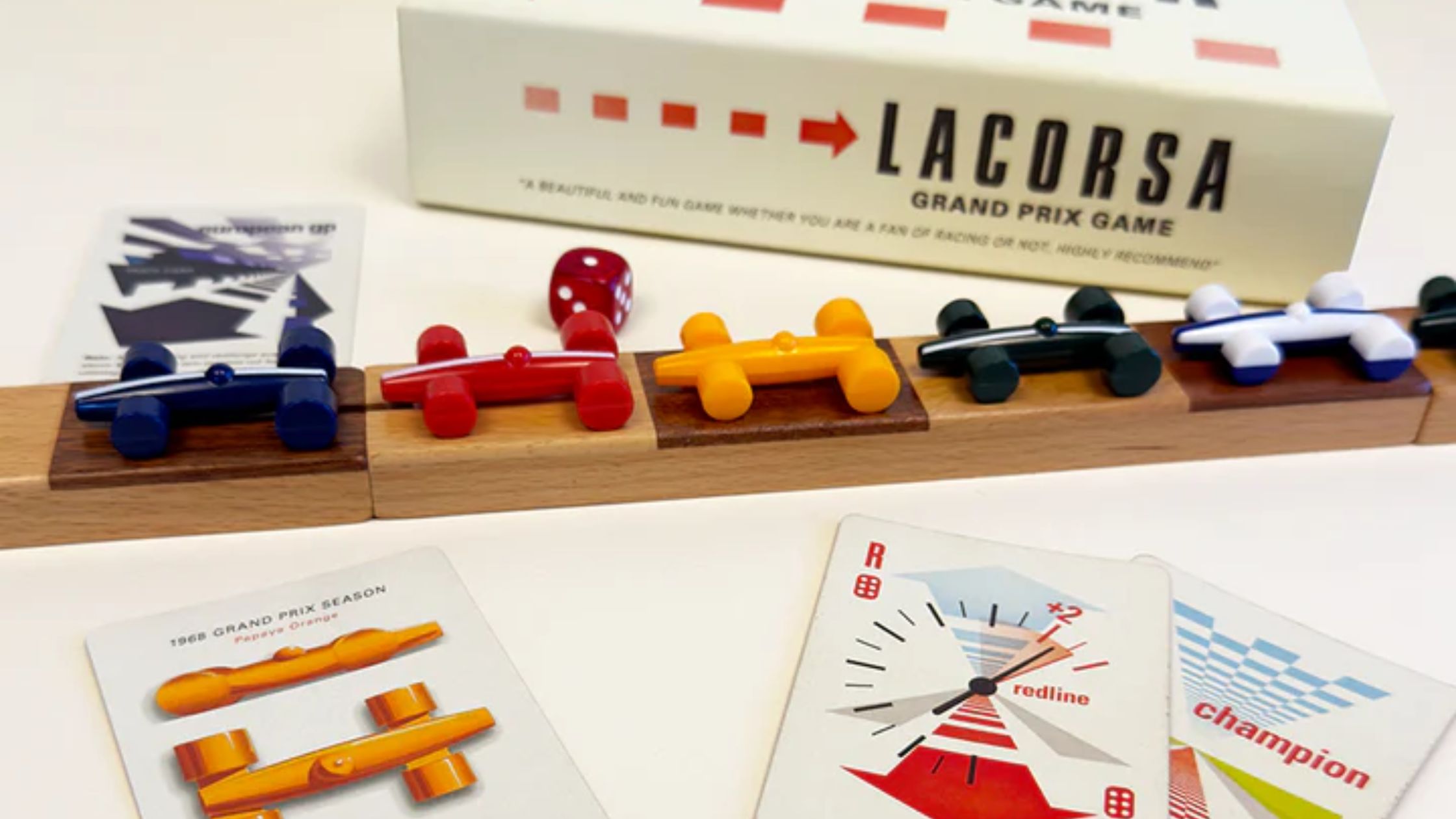
A well-designed motor racing game is more than just mechanics. It tells a story through its visuals. Some games draw inspiration from classic race cars. The sleek shapes, bold colors, and vintage aesthetics create a nostalgic experience. Pieces often resemble cars, turning the game into a miniature race track.
Game boards are designed with intricate details. Some take inspiration from real-world circuits. Players get to experience famous racetracks uniquely. The artwork and components add to the immersion, making the game more tangible than a digital experience.
The Element of Chance and Skill Balance
Video games often depend on skill. Reflexes, timing, and experience determine who wins. In board games, luck plays a role too. Dice rolls, card draws, or movement mechanics introduce unpredictability. This balance of skill and chance keeps every race competitive.
A solid strategy can help overcome bad racing luck. Players must adapt to changing conditions. Some games even allow tactical blocking, forcing opponents to take a longer route. Every race feels unique because there’s no perfect formula for winning.
Game Time and Replayability
Board games take longer to set up than video games. But once everything is in place, the experience is rewarding. Unlike digital games, where loading screens and updates can disrupt play, board games run smoothly once started.
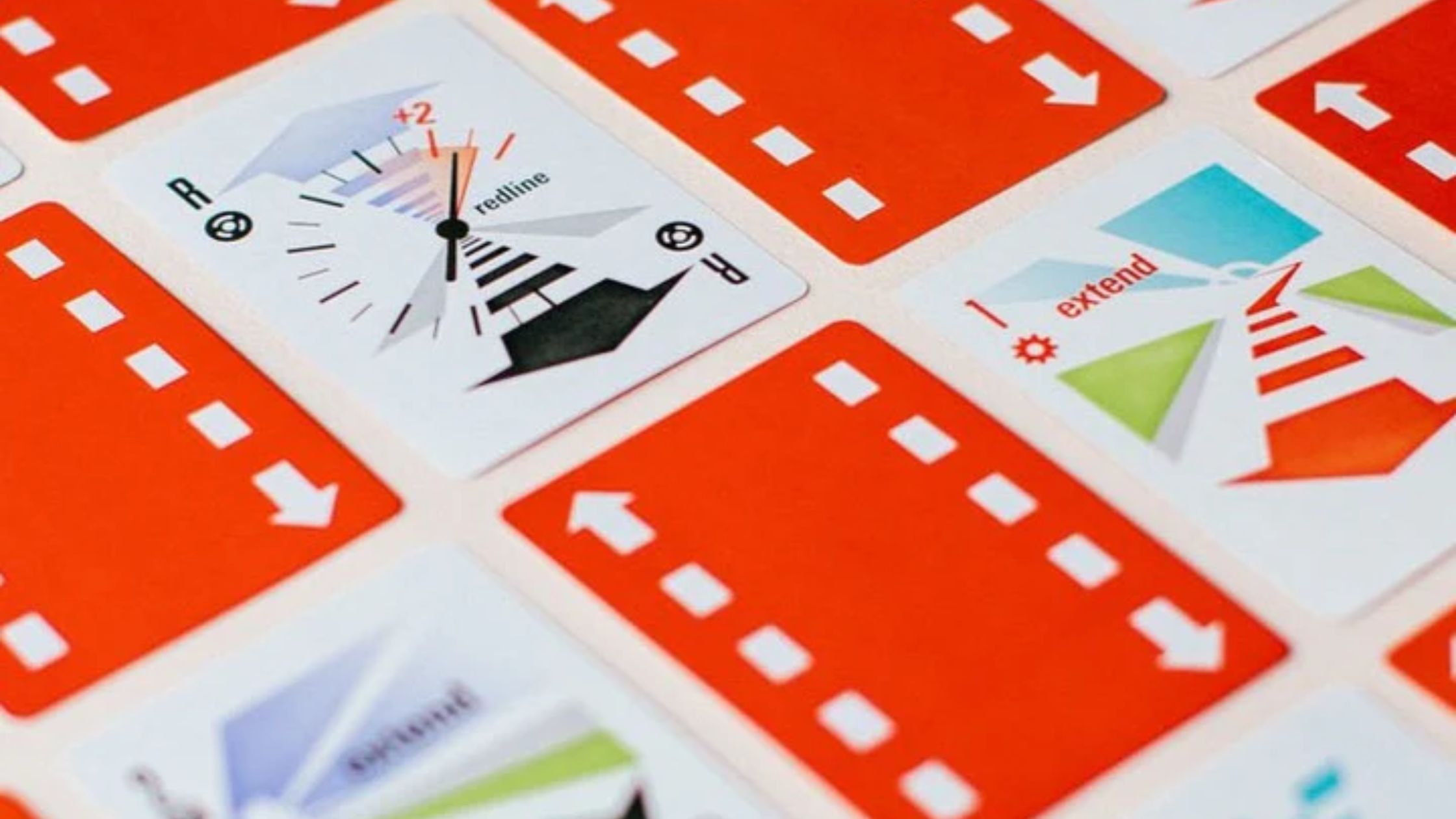
Every session feels fresh. Expansion sets provide pit stops, track differentiators, preferred drivers, crashes, and car performance that keep the experience exciting.
Tactile Satisfaction of a Board Game
Holding game pieces, rolling dice, and moving cars create a hands-on experience. Video games rely on controllers, but board games offer real engagement. Placing a car, drawing a card, or shifting positions adds to the excitement. There’s a sense of ownership when moving a car toward the finish line.
The Thrill of Competition Without Screens
Video games rely on flashy graphics and sound effects. Board games create tension through gameplay. The silence before a key move, the excitement of a last-minute overtake, or the frustration of a blocked path—these moments are felt differently.
Board games promote face-to-face rivalry. Every decision is clear, and there are no hidden software mechanics altering difficulty. The game progresses in real-time without any behind-the-scenes actions.
Final Thoughts
A formula racing game offers something video games don’t. The deep strategy, social interaction, and hands-on gameplay make this game truly unique. Players must think on their feet, react quickly, and adapt their strategies, just like real racers. While video racing games provide instant thrills, board games create lasting memories.
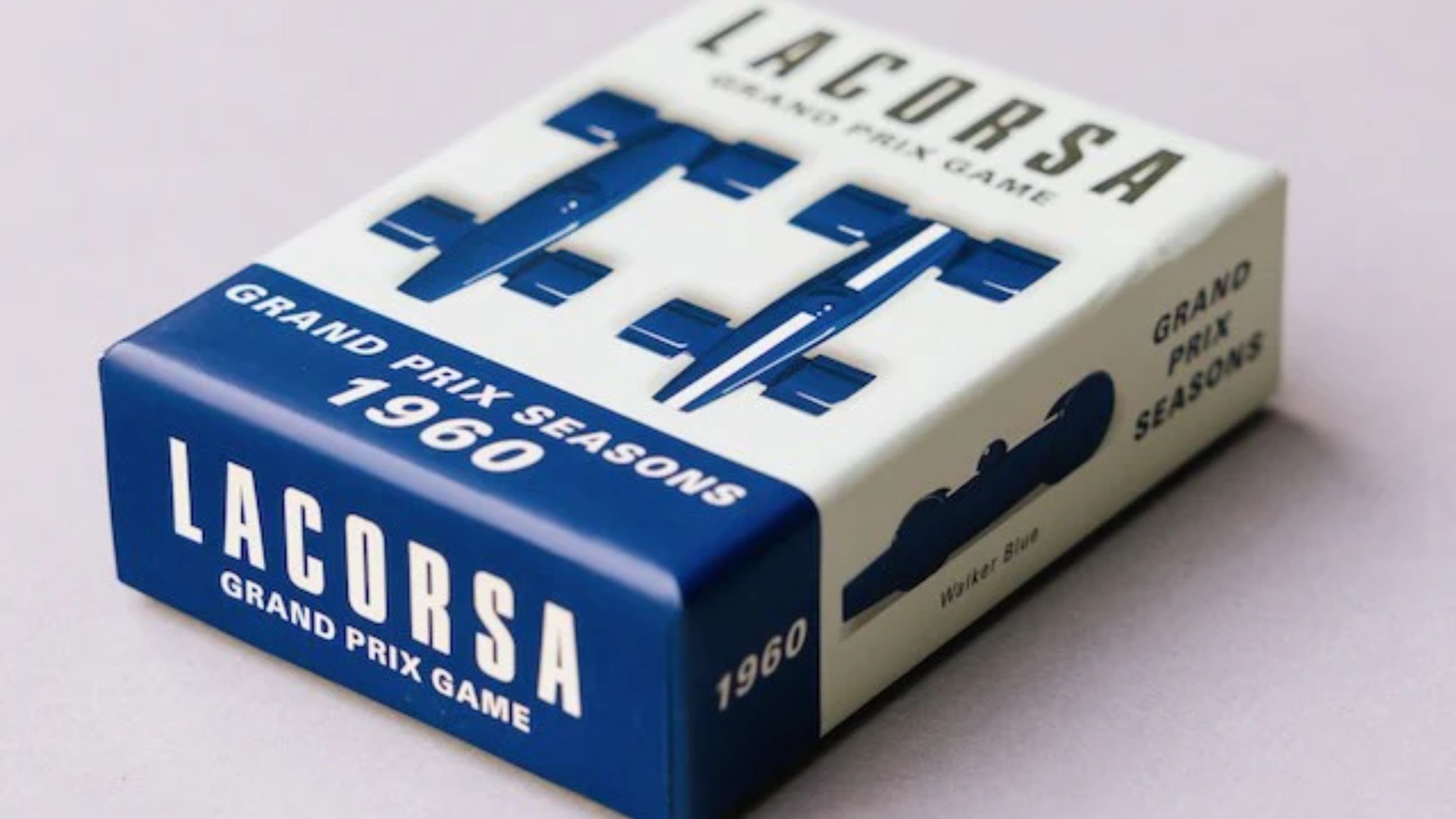
Lacorsa Grand Prix Game stands out within this genre. Its design was shaped by two years of research, drawing inspiration from vintage Italian Grand Prix posters and classic 60s race car aesthetics. These elements combine to create a visually stunning and exciting experience.
Players enjoy the thrill of adapting their strategies on the fly; no race feels the same. The game encourages constant decision-making, mirroring the challenges of a real race. The social aspect shines as drivers compete for position at every turn. Blocking an opponent, taking the ideal racing line, or executing a surprise move makes every session unforgettable.
For those who love motorsport, a board game is an excellent way to experience racing in a fresh way. The tension, tactics, and excitement ensure that every session is worth playing.