Beginner Swimming Techniques: Your Gateway to Aquatic Mastery
Swimming is not only a fun and healthy activity but also a crucial survival skill. For beginners, mastering swimming techniques can open up a world of aquatic adventures and fitness opportunities. This section will guide you through the essential techniques that every novice swimmer should learn to ensure a safe and enjoyable experience in the water.
One of the first techniques to focus on is the proper breathing method. Breathing correctly while swimming is vital for maintaining stamina and comfort. Beginners often struggle with breath control, which can lead to fatigue or panic in the water. Start by practicing breathing in a relaxed environment, such as a shallow pool or a calm section of a lake. Inhale deeply through your mouth before submerging, and exhale gently through your nose or mouth while underwater. This rhythmic breathing will help you stay calm and focused.
Another fundamental technique is body position. Maintaining a streamlined body position reduces drag and allows for more efficient movement through the water. Beginners should aim to keep their bodies horizontal and flat, with the head aligned with the spine. This position minimizes resistance and helps you glide smoothly. Practice floating on your back and stomach to get comfortable with this posture.
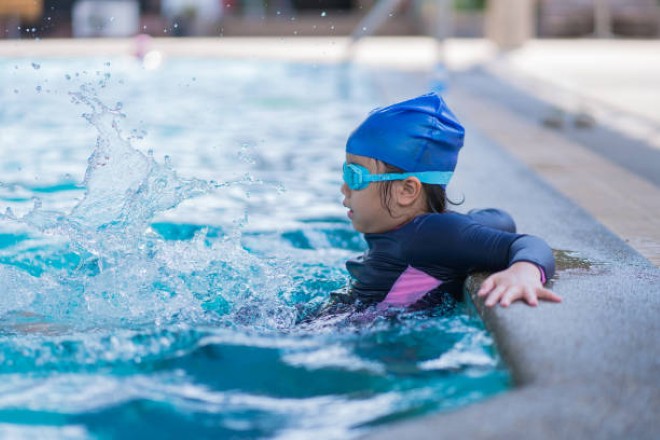
Kick techniques are also crucial for propulsion. The flutter kick, used in freestyle and backstroke, involves quick, alternating movements of the legs. Keep your legs straight but relaxed, with the motion originating from the hips rather than the knees. This technique provides forward momentum and stability. For beginners, practicing the flutter kick while holding onto the pool edge can build confidence and strength.
Arm movements complete the basic swimming techniques. In freestyle, the arms move in a windmill motion, entering the water with fingertips first and pulling back in a circular motion. Coordination between arm movements and breathing is essential for maintaining a steady pace. Beginners should focus on slow, deliberate strokes to develop muscle memory and efficiency.
Learn to Swim Techniques: Building Confidence and Skill
Learning to swim is a journey that requires patience, practice, and persistence. This section will explore techniques that help beginners build confidence and skill in the water, paving the way for more advanced swimming styles.
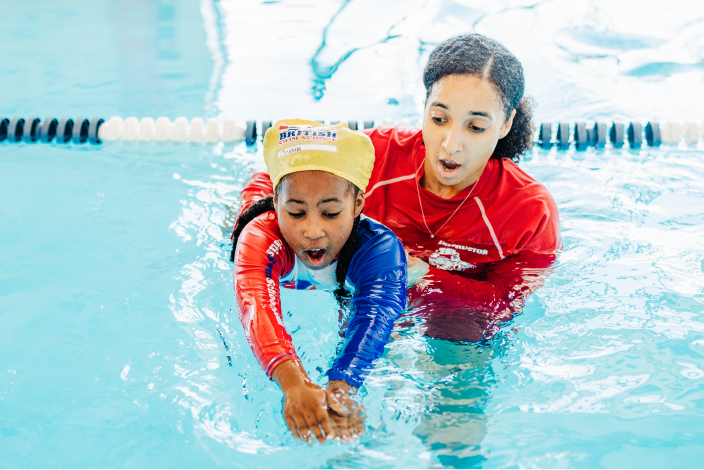
The first step in learning to swim is overcoming any fear or anxiety associated with water. Many beginners feel apprehensive about submerging their faces or losing control. To address these fears, start with simple water acclimation exercises. Practice dipping your face in the water and blowing bubbles, gradually increasing the duration as you become more comfortable. This helps desensitize the fear and build confidence.
Once you are comfortable in the water, focus on developing buoyancy skills. Floating is a fundamental aspect of swimming, and mastering it can enhance your overall technique. Practice floating on both your back and stomach, using gentle kicks and arm movements to maintain balance. This skill will help you conserve energy and stay relaxed during swimming sessions.
Next, work on stroke techniques. Begin with the basic strokes such as freestyle and backstroke, which are easier to learn for beginners. Freestyle involves alternating arm movements and flutter kicks, while backstroke requires a similar motion on your back. Concentrate on smooth, controlled movements and synchronize your breathing to maintain rhythm.
As you progress, introduce more advanced strokes like breaststroke and butterfly. Breaststroke involves simultaneous arm and leg movements in a frog-like pattern, while butterfly requires a dolphin-like motion with both arms and legs. These strokes demand greater coordination and strength, but with practice, they can significantly enhance your swimming repertoire.
Learning to swim also involves understanding water safety. Familiarize yourself with basic water safety rules, such as never swimming alone, avoiding risky areas, and recognizing signs of fatigue or distress. These precautions ensure a safe and enjoyable swimming experience.
Basic Swimming Techniques: Foundation for Aquatic Excellence
Basic swimming techniques form the foundation for aquatic excellence. Whether you're swimming for fitness, leisure, or competition, mastering these techniques is essential for achieving proficiency and confidence in the water.
One of the core techniques is streamlining. Streamlining involves positioning your body in a way that minimizes resistance and maximizes speed. Practice stretching your arms forward, keeping your head down, and tightening your core muscles. This posture reduces drag and allows you to glide smoothly through the water.
Another crucial technique is the flip turn, used in competitive swimming to change direction efficiently. To perform a flip turn, approach the wall with a strong kick, tuck your chin to your chest, and execute a somersault-like motion. Push off the wall with your feet and resume swimming. This technique requires practice to perfect but is invaluable for improving speed and agility.
Breathing techniques are also essential for maintaining stamina and performance. Learn to breathe bilaterally, alternating breaths on both sides during freestyle. This technique helps balance your stroke and prevents fatigue. Additionally, practice explosive breathing, where you exhale forcefully underwater and take quick, deep breaths above water.
Finally, work on endurance and strength training. Swimming is a full-body workout that engages various muscle groups. Incorporate exercises such as interval training, resistance swimming, and core workouts to build strength and stamina. These activities enhance your overall swimming technique and contribute to a healthier lifestyle.
In conclusion, mastering swimming techniques for beginners is a rewarding journey that opens up a world of aquatic possibilities. By focusing on fundamental techniques, building confidence, and understanding water safety, you can enjoy a safe and fulfilling swimming experience. Whether you're swimming for leisure, fitness, or competition, these techniques provide the foundation for aquatic excellence.
Beginner Swimming Techniques: Building a Strong Foundation
For those just starting their swimming journey, it's crucial to establish a strong foundation with beginner swimming techniques. These techniques not only help in developing the necessary skills but also instill the confidence needed to navigate through water safely and efficiently. A good starting point is the dog paddle, a basic stroke that allows beginners to move through the water while keeping their heads above the surface. This technique is simple yet effective for building comfort and familiarity with water movement.
Another important aspect of beginner swimming techniques is learning to tread water. Treading water is a critical skill that enables swimmers to stay afloat in one place without moving forward. This technique is invaluable in situations where you need to conserve energy or wait for assistance in the water. Practice treading water by using a combination of arm and leg movements, keeping your body upright and your head above the surface.
For beginners, it's also essential to understand the importance of relaxation in the water. Tension can lead to fatigue and hinder your ability to float or move smoothly. Focus on staying relaxed and maintaining a steady rhythm in your strokes. This will help you conserve energy and enjoy your time in the water.
Learn to Swim Techniques: Progressing Beyond the Basics
Once you've mastered beginner swimming techniques, it's time to progress to more advanced learn to swim techniques. These techniques will enhance your swimming skills and prepare you for more challenging aquatic activities. One such technique is the side stroke, a versatile stroke that combines elements of freestyle and backstroke. The side stroke is particularly useful for long-distance swimming and rescue situations due to its efficiency and ease of breathing.
Another valuable technique to learn is the sculling motion. Sculling involves using your hands to create lift and propulsion in the water, allowing you to maneuver effectively without using your legs. This technique is essential for synchronized swimming and water polo, where precise control and movement are required.
As you continue to develop your swimming skills, consider incorporating drills and exercises that target specific areas of improvement. For example, focus on drills that enhance your kick strength, arm coordination, or breathing technique. These targeted exercises will help you refine your skills and become a more proficient swimmer.
Basic Swimming Techniques: Enhancing Your Aquatic Abilities
Basic swimming techniques serve as the building blocks for enhancing your aquatic abilities. By refining these techniques, you can improve your overall performance and enjoy a more fulfilling swimming experience. One technique to focus on is the catch phase of your stroke. The catch is the initial phase where your hand enters the water and begins to pull. A strong and efficient catch can significantly increase your speed and power in the water.
Another important technique to enhance is your body rotation. Proper body rotation allows you to engage your core muscles and generate more power with each stroke. Practice rotating your shoulders and hips in unison, maintaining a streamlined position throughout your swim.
Additionally, consider working on your kick technique to improve propulsion. Experiment with different kick styles, such as the dolphin kick or the frog kick, to find what works best for you. A strong and efficient kick can provide the extra boost needed to excel in various swimming styles.
In summary, mastering swimming techniques for beginners is a journey that requires dedication and practice. By focusing on beginner swimming techniques, learning to swim techniques, and basic swimming techniques, you can build a strong foundation and enhance your aquatic abilities. Whether you're swimming for leisure, fitness, or competition, these techniques will empower you to achieve excellence in the water.