



Today, work pressure and stress at the workplace are indeed unavoidable. It could be due to intensive deadlines, challenging projects, or interpersonal challenges. One needs to understand how to manage this stress in a healthy manner to be productive and maintain sanity. Here are some practical strategies to deal effectively with the management of workplace stress and maintaining the right balancing approach in a workplace setting.
Understanding Workplace Stress
But before looking for answers, define what workplace stress is. Stress at work may be created by such stimuli as high workload, job insecurity, lack of support, or poor work-life balance. Symptoms might appear in your body, mind, or mood, thus adversely affecting your health and activity at work.
Signs of Workplace Stress
- Some of the frequent signs of workplace stress are:
- Physiological Signs: Headaches, fatigue, stomach problems, and muscle tension.
- Emotional Symptoms: Become anxious, irritable, and moody.
- Cognitive Symptoms: Unable to concentrate, forgets things easily, and lacks decisiveness.
- Behavioral Symptoms: Changes in appetite, sleep, and social behavior.
- Recognizing such symptoms in advance would allow you to become proactive, addressing the issue before it becomes more complicated.
Effective Strategies for Stress Management
1. Prioritize and Plan Your Work
An overloaded workload is one of the main causes of stress in the workplace. Consider managing your workload to alleviate this. You can start by utilizing task lists or the numerous project management apps available to prioritize tasks based on their urgency and importance. Reducing the workload into smaller pieces of bigger projects allows you to lessen the feeling of being overwhelmed.
Tip: Identify your top three priorities at the start of every day. Follow that priority list and tackle them with concentration, then only follow with other tasks.
2. Develop Time Management Skills
Effective time management can also reduce work pressure considerably. Practice time blocks, deadlines, and a no-multiple-task-allowed approach. In so doing, you will be able to work more efficiently and at higher concentration, thus reducing the chances of mistakes and, therefore, further stress.
Tip: Make use of techniques, like the Pomodoro Technique-that is to say, work for 25 minutes and take a 5-minute break- to improve concentration and productivity.
3. Boundaries
Setting clear boundaries between work and personal life helps reduce stress. This might allow coming in at specific hours, avoiding emailing after hours, or saying ‘no’ when you have reached your capacity. Allowing to Westney, it helps a person learn how to communicate better about boundaries with coworkers and supervisors so that expectations are managed appropriately and made for a healthier workplace.
Practical Resource: Make your gadgets observe “Do Not Disturb” during personal time, for example, to respect that the work set time aside by these boundaries.
Click here to know more: https://businessmindsmedia.com/how-to-handle-workplace-stress-and-work-pressure




Children learn social and emotional cues from an early age.
This is when education should prevail, and this is when information should become more clearly organized.However, things look quite different today.
Kids attend school, are fed constant information, but are taught nothing about their mental well-being.
Parents barely have time for an open chat– there is no time left to do anything.
So, kids struggle, which has become a major problem in our world.
Something must change.Why Mental Health Should Be Implemented in SchoolsMental health education should be implemented in schools.

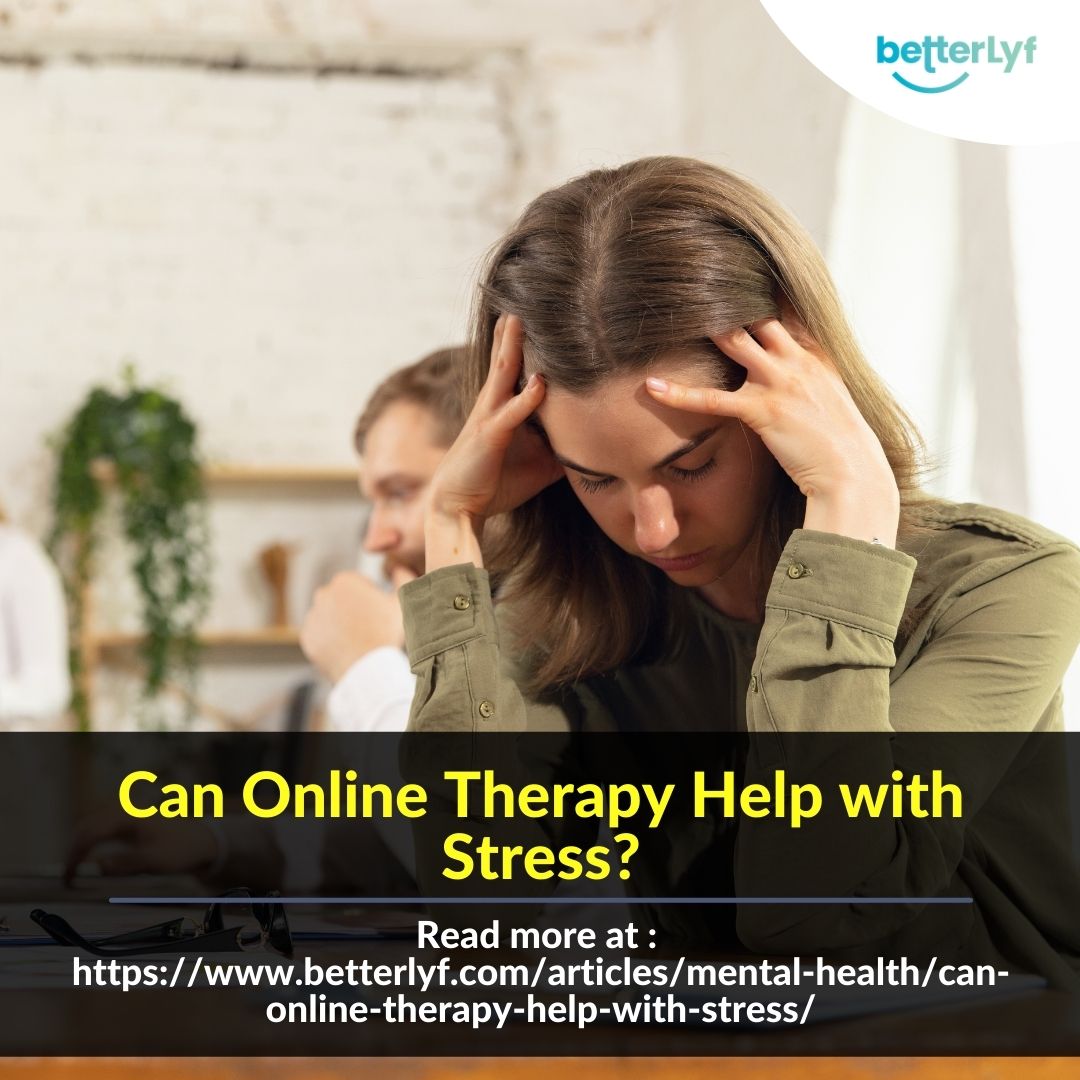
Stress is an unavoidable part of our fast-paced lives and a characteristic feature of what we call ‘the new normal’.
Stress becomes an issue when the intensity and duration of our stress levels exceed our coping ability.
Over time, resources to cope with stress might start depleting if you forget to replenish them every once in a while.
Read more at - https://www.betterlyf.com/articles/mental-health/can-online-therapy-help-with-stress/