





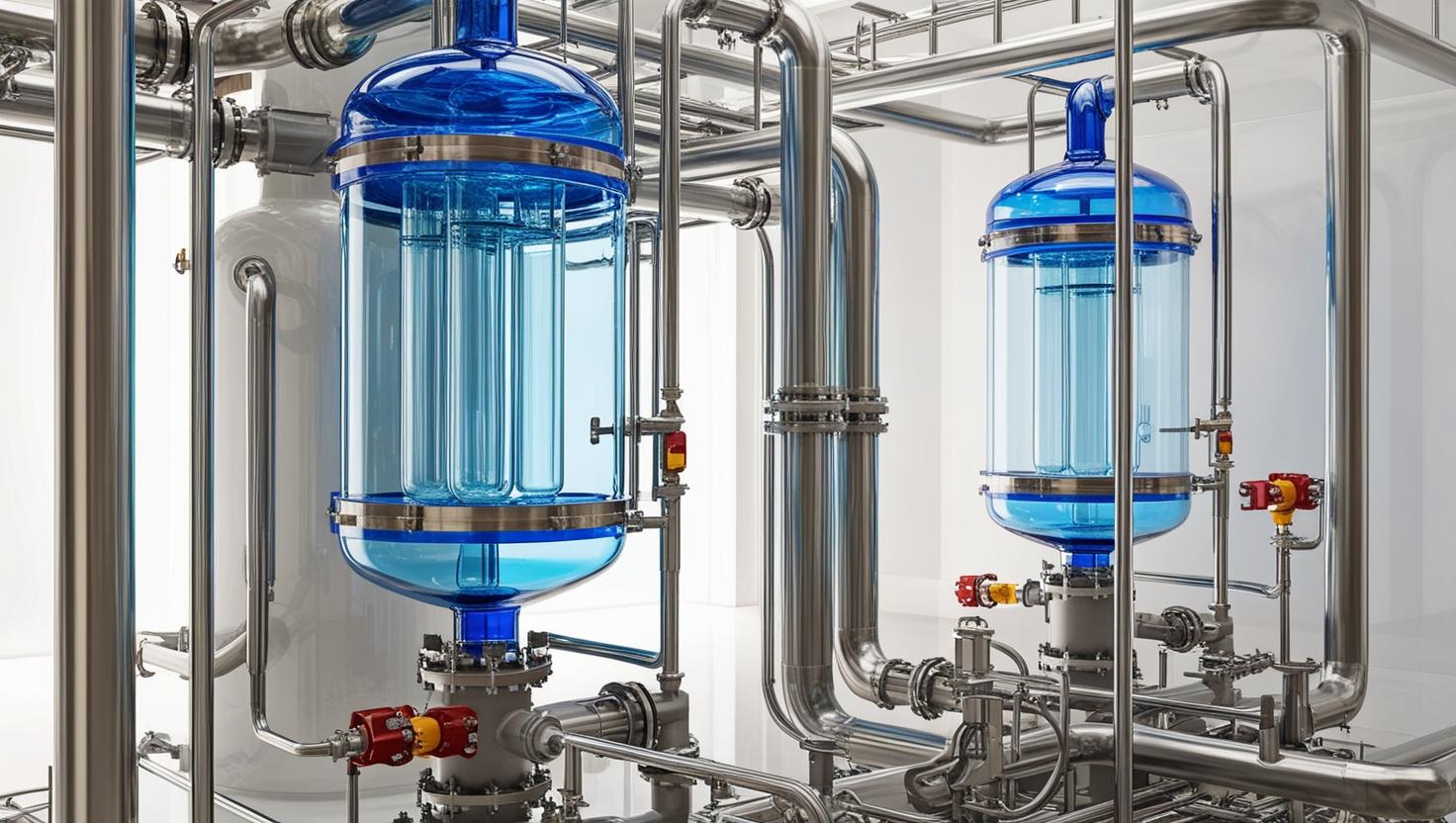
The petrochemical industry relies on advanced chemical process systems to enhance efficiency, minimize waste, and maximize output. Among the most effective technologies in this sector is the jacketed glass reactor vessel. These reactors are crucial for various chemical processes, including synthesis, distillation, crystallization, and polymerization. Their unique double-jacketed design provides precise temperature control, reducing waste and optimizing yield. This article explores the role of double jacketed glass reactors in petrochemical applications, different reactor jacket types, and their contribution to process efficiency.
Understanding Jacketed Glass Reactor Vessels
A jacketed glass reactor vessel is a type of reaction vessel that includes an external jacket surrounding the main chamber. This jacket allows for controlled heating or cooling, ensuring a stable reaction environment. The primary components include:
- Inner Vessel: Where the chemical reaction takes place.
- Jacket Layer: Facilitates the circulation of heating or cooling fluids.
- Temperature Control System: Maintains the required thermal conditions for precise reactions.
- Agitator: Enhances mixing for homogenous reactions.
The double-jacketed design further improves efficiency by incorporating an additional insulation layer, reducing energy loss and maintaining a consistent reaction temperature. This feature makes these reactors indispensable in petrochemical processing.
Types of Reactor Jackets in Petrochemical Applications
Different reactor jacket types are used in chemical process systems, each suited for specific applications. The most common reactor jackets include:
Single Jacketed Reactors:
- Simple and cost-effective design.
- Suitable for basic heating and cooling applications.
- Limited efficiency in high-precision processes.
Double Jacketed Reactors:
- Offer superior thermal insulation.
- Minimize heat loss and enhance reaction control.
- Ideal for sensitive petrochemical processes requiring precise temperature regulation.
Half-Coil Jackets:
- Utilize an external coil for heating or cooling.
- Provide faster temperature adjustments than traditional jackets.
- Often used in high-temperature petrochemical reactions.
Dimpled Jackets:
- Feature an internal dimpled pattern for efficient heat transfer.
- Reduce thermal stress and improve overall reactor longevity.
Limpet Coil Jackets:
- Use welded coils for circulation of heat transfer fluids.
- Provide high efficiency but require specialized design considerations.
Choosing the right reactor jacket types is crucial for maximizing reaction efficiency and reducing energy waste in petrochemical operations.
Reducing Waste with Jacketed Glass Reactor Vessels
Waste reduction is a major priority in petrochemical manufacturing. The jacketed glass reactor vessel plays a pivotal role in minimizing waste through the following mechanisms:
- Precise Temperature Control: By maintaining an optimal temperature, these reactors prevent unwanted side reactions that could lead to material wastage.
- Enhanced Mixing Efficiency: The agitation system ensures uniform distribution of reactants, reducing incomplete reactions and undesired by-products.
- Energy Conservation: Double-jacketed designs reduce heat loss, optimizing energy use and lowering operational costs.
- Closed-System Processing: Helps prevent leaks and contamination, ensuring maximum recovery of valuable petrochemicals.
Maximizing Output in Petrochemical Processes
The use of chemical process systems incorporating jacketed glass reactor vessels ensures increased productivity. These systems contribute to maximum output by:
- Optimized Reaction Rates: The ability to control temperature precisely leads to faster and more efficient reactions.
- Scalability: Jacketed reactors are available in various sizes, making them suitable for both small-scale research and large-scale industrial production.
- Improved Yield and Purity: Controlled reaction conditions result in higher-purity petrochemical products, increasing overall yield.
- Multi-Functional Capabilities: These reactors support various processes, including crystallization, distillation, and polymerization, enhancing production flexibility.
Innovations in Jacketed Glass Reactor Technology
Advancements in jacketed glass reactor vessels have led to improved efficiency in petrochemical production. Some of the latest innovations include:
- Automated Control Systems: Integration of digital controls for precise monitoring and adjustment of temperature and agitation.
- Advanced Materials: High-quality borosilicate glass enhances durability and resistance to chemical corrosion.
- Energy-Efficient Designs: Enhanced insulation and optimized fluid circulation improve energy efficiency.
- Modular Configurations: Allow customization for specific industrial applications, increasing adaptability.
Conclusion
The jacketed glass reactor vessel is a cornerstone of modern chemical process systems in the petrochemical industry. With different reactor jacket types available, manufacturers can select the best option to optimize efficiency and reduce waste. By leveraging double-jacketed reactor technology, petrochemical companies can achieve precise temperature control, minimize energy consumption, and enhance overall output. As technological advancements continue, these reactors will play an even greater role in sustainable and high-performance petrochemical processing.
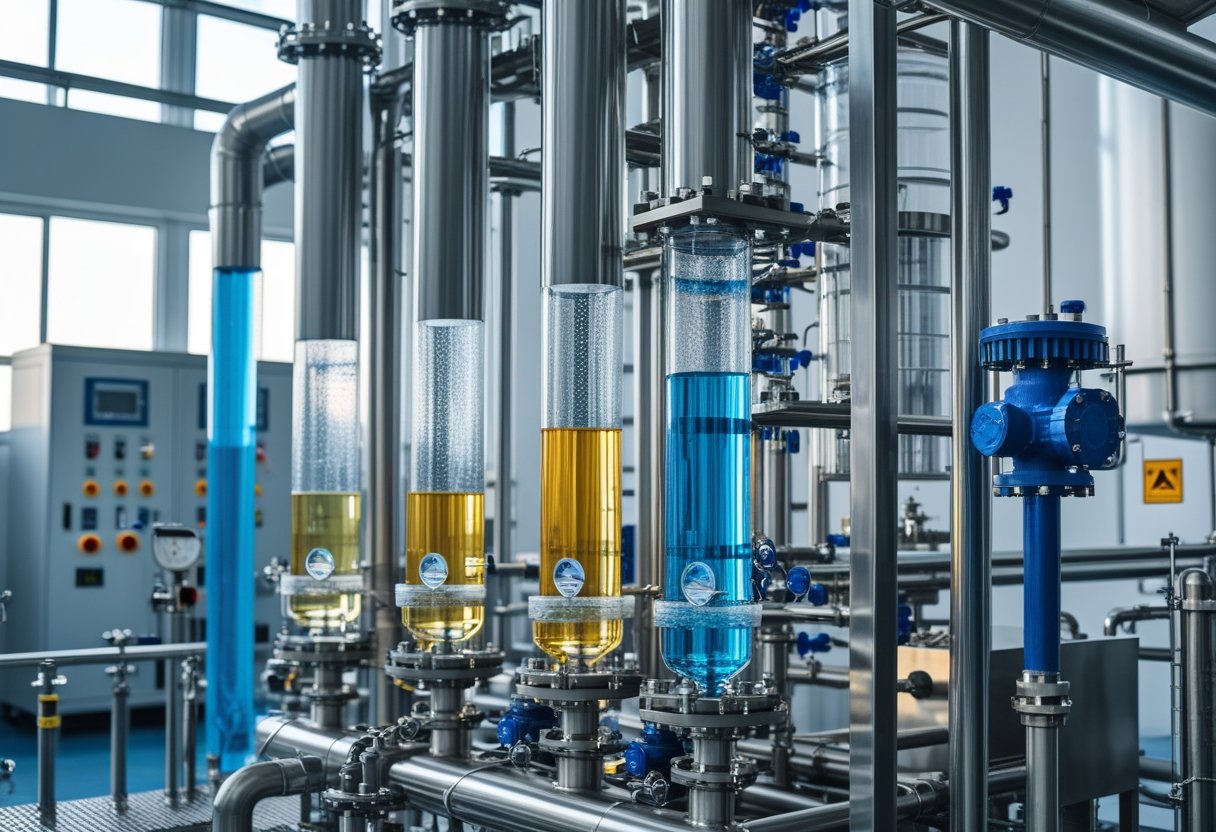
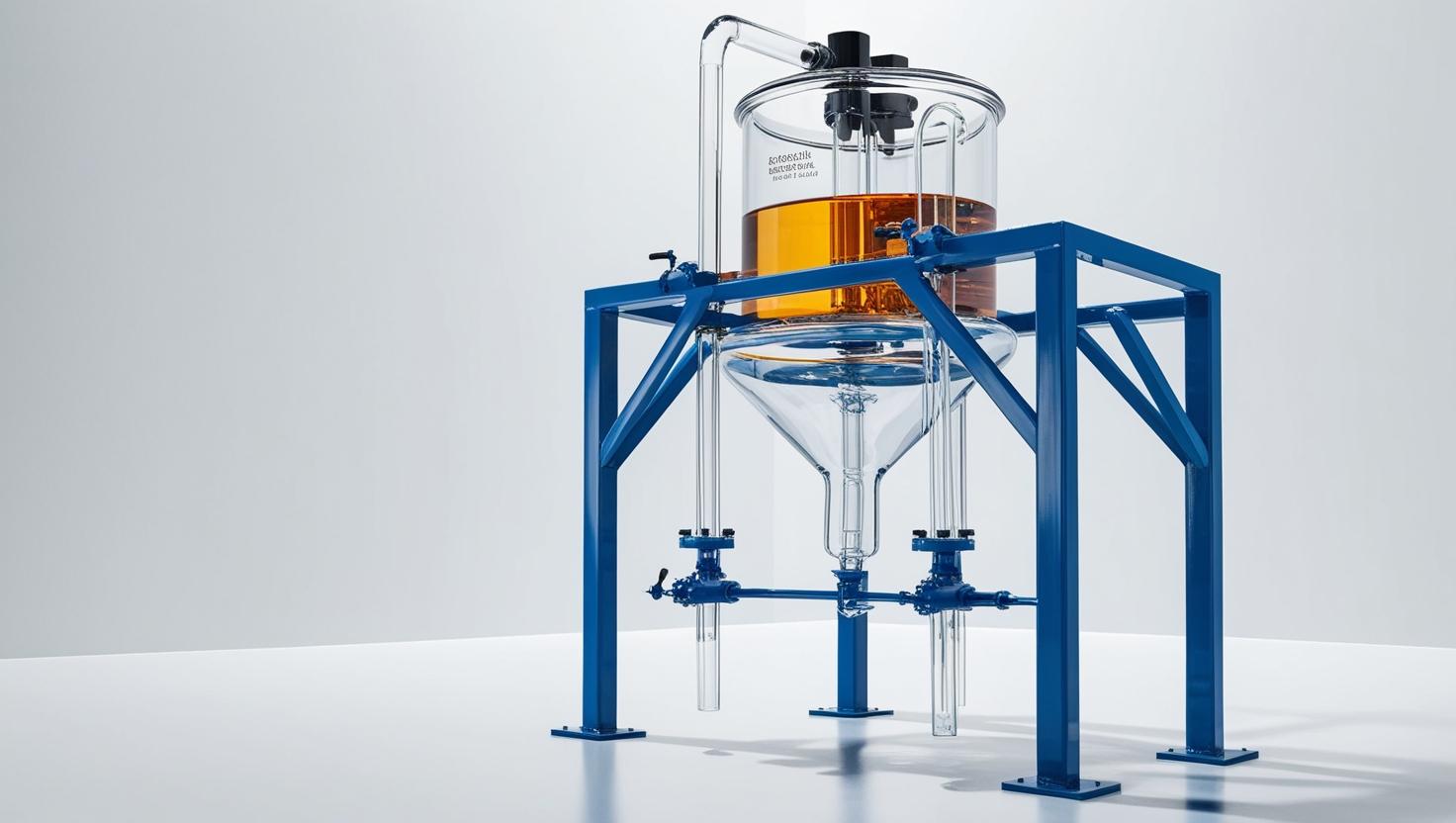
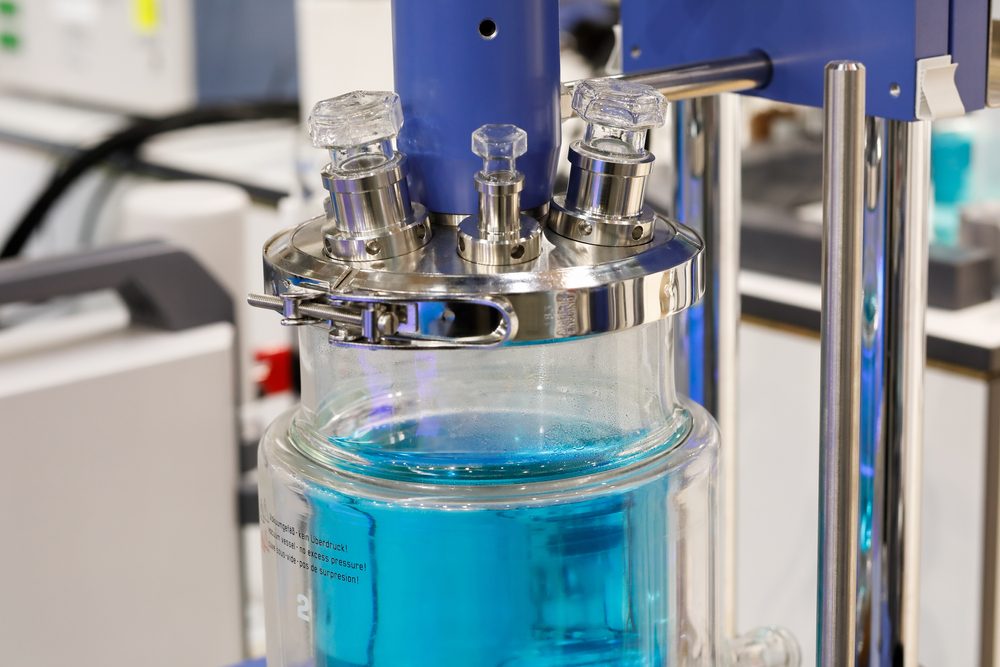
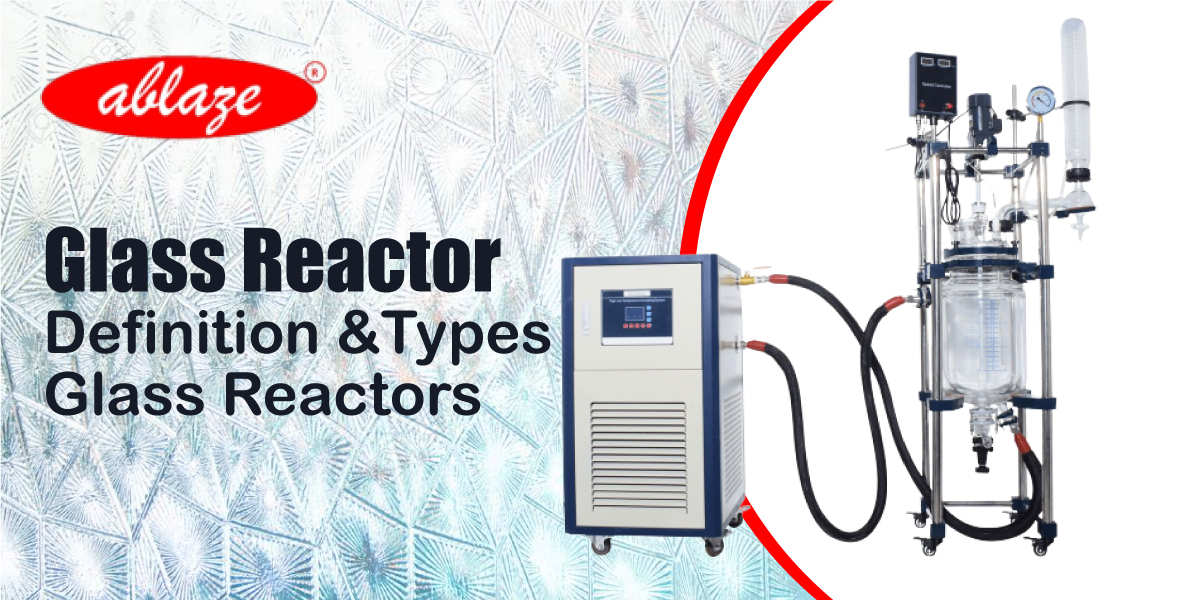
A typical glass reactor is made up of a glass vessel with an agitator and a heating/cooling system built in.
The borosilicate glass jars are available in sizes ranging from 50ml to 200L.
Actually, a glass reactor is just one of several types of reactors that include glass lined reactors, hydrothermal synthesis reactors, magnetic stirring reactors, electric heating reactors, steam reactors, and so on.
Glass reactors have the advantages of no pollution, high temperature and corrosion resistance, hygiene, fast heating, and so on.
The main idea behind a glass reactor is to agitate the reaction while controlling the reflux and evaporation of the solution in a sealed container at a constant temperature and normal or negative pressure.
These are in line with global value models and, as a result, are extensively required.
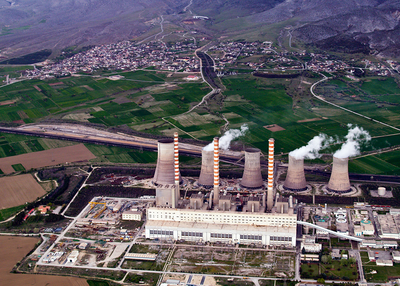
The safety of oil refineries and chemical processing plants demands rigorous pressure vessel design to prevent fatal accidents.
Chemical process and mechanical engineers knowledgeable in the engineering codes that dictate the safe design, construction, and operation of these regulated vessels is critical to the operation of refineries and chemical processing plants.
Our engineering design group can facilitate your company through our experience in designing the appropriate vessel for your needs.
We have successfully partnered with firms seeking solutions by providing the following expertise:
ASME Boiler and Pressure Vessel Code (BPVC)
Safe operating temperature and pressure parameters