


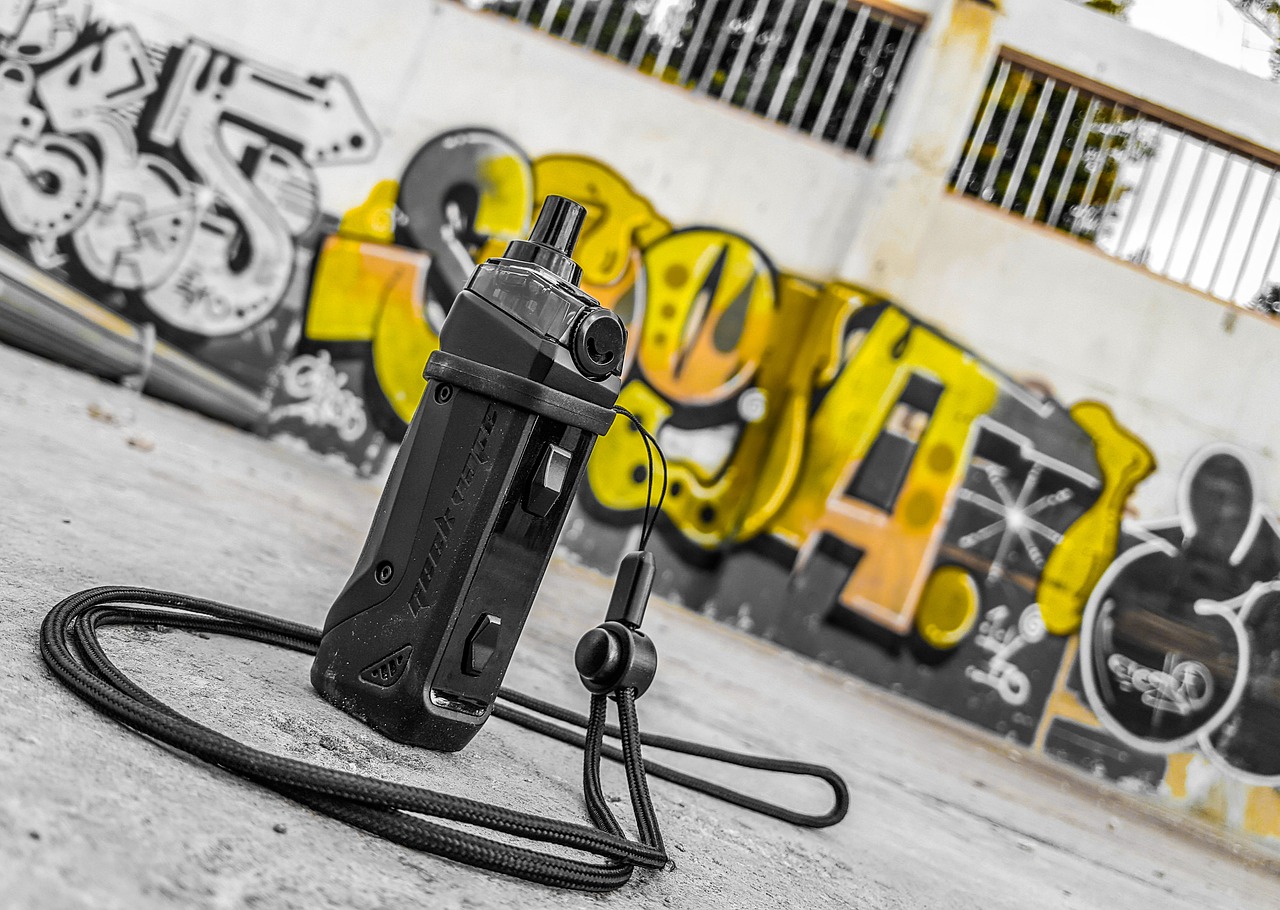
The debate over flavored vapes has been intensifying in recent years, as lawmakers, health professionals, and consumers clash over the potential risks and benefits of these products. While some argue that flavored vaping products help adult smokers transition away from traditional cigarettes, others worry about their appeal to young users and the associated health risks. As governments worldwide consider stricter regulations, the question remains: should flavored vapes be banned?
IVG: Premium Vaping with Bold Flavors
IVG (I Vape Great) is a globally recognized vape brand known for its high-quality e-liquids and disposable devices. Offering a diverse range of flavors, IVG caters to vapers who enjoy everything from fruity and menthol blends to dessert-inspired profiles. Their popular disposables, like the IVG 2400 and IVG 600, feature mesh coil technology for enhanced flavor and smooth vapor production. IVG also produces nicotine salts and shortfill e-liquids, making them a versatile brand for both disposable and refillable device users. With a commitment to innovation and premium taste, IVG continues to be a top choice among vapers worldwide.
The Rise of Flavored Vapes
Vaping emerged in the early 2000s as a supposed safer alternative to smoking, with e-cigarettes marketed as a harm-reduction tool for smokers. Over time, companies introduced a wide variety of flavors, from fruity concoctions to dessert-like treats, which helped make vaping more appealing to consumers. According to a 2022 survey by the Centers for Disease Control and Prevention (CDC), nearly 85% of young e-cigarette users preferred flavored products, raising concerns among public health officials.
The Case for Banning Flavored Vapes
Many advocates for banning flavored vapes argue that they are a gateway to nicotine addiction, particularly for teenagers and young adults. Several key concerns drive this argument:
1. Youth Appeal and Addiction Risk
Flavored vapes are often marketed in a way that attracts young people. With flavors such as cotton candy, bubble gum, and mango, critics argue that these products are designed to hook teenagers. Studies have shown that young people who start vaping are more likely to transition to traditional cigarette smoking, which poses severe health risks.
2. Health Concerns and Lack of Long-Term Research
Although vaping is often touted as a safer alternative to smoking, the long-term health effects are still largely unknown. Some studies suggest that inhaling flavored vapor can lead to lung damage and other respiratory issues. The 2019 outbreak of EVALI (E-cigarette or Vaping Product Use-Associated Lung Injury), which was linked to certain vaping products, heightened concerns over their safety.
3. Regulatory Challenges
The vaping industry has been difficult to regulate due to the rapid emergence of new products and loopholes in legislation. Many companies continue to sell flavored vapes through online platforms or under different branding strategies to evade restrictions. A complete ban on flavored products could simplify enforcement and prevent underage access.
The Case Against Banning Flavored Vapes
On the other side of the debate, vaping advocates argue that banning flavored vapes could do more harm than good. Many adult smokers have successfully quit smoking through flavored vaping products, and an outright ban could drive them back to traditional cigarettes or create a dangerous black market.
1. Smoking Cessation Tool
Flavored vapes have played a significant role in helping smokers transition away from combustible cigarettes. A study published in the journal Nicotine & Tobacco Research found that flavored e-cigarettes were more effective in smoking cessation than non-flavored options. Removing these products from the market could force former smokers to relapse.
2. The Risk of a Black Market
Prohibition often leads to unintended consequences, such as the emergence of an unregulated black market. If flavored vapes are banned, consumers may turn to underground sources, which could lead to even greater health risks due to unregulated and potentially dangerous ingredients. The rise of illicit THC cartridges in 2019, which contributed to lung injuries, serves as a cautionary tale.
3. Economic Impact
The vaping industry has grown into a multi-billion-dollar market, supporting thousands of jobs and small businesses. Banning flavored vapes could lead to economic losses, particularly for vape shops and manufacturers that rely on these products. Additionally, tax revenue generated from vaping sales could decline, impacting public health initiatives funded by these revenues.
Middle Ground: Regulation Instead of an Outright Ban?
Rather than implementing a full ban, some experts suggest stronger regulations as a compromise. Potential measures include:
Conclusion
The debate over flavored vapes remains complex and deeply polarizing. While there is legitimate concern over their appeal to youth and potential health risks, banning these products outright may have unintended negative consequences. Striking a balance between regulation and harm reduction may be the most effective approach, ensuring that adult smokers can access safer alternatives while minimizing the risks to young users. As lawmakers continue to weigh their options, it is crucial to base decisions on sound scientific research and public health priorities rather than reactionary measures.



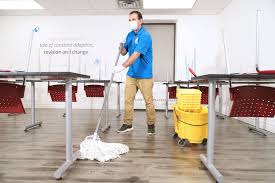

Dryer vent cleaning dallas tx\n Air Duct cleaning dallas tx\n carpet cleaning dallas tx\n upholstery cleaning dallas tx\n Dryer vent cleaning near me\n is rubbing alcohol flammable after it dries\n"}" data-sheets-userformat="{"2":833,"3":{"1":0},"9":0,"11":3,"12":0}">Do you realize that there are more than 12k dryer vent fires happen every year?
These flames prompted 300 harmed and 15 dead individuals.
The explanation for these flames is the disregard of normal dryer vent cleaning.
Having a build up develop inside your dryer can cause a huge number of issues for your home and your dryer.
It can lead your unit to run increasingly slow can cause unnecessary utilization and vitality bills.
You don't need to manage high utility expenses!Dryer Vent Cleaning Dallas TXAir Duct Cleaning DallasCarpet Cleaning Dallas TXUpholstery Cleaning Dallas TXProfessional Unclog Dryer Duct ServiceYour Safety Is Urgent Precaution!Professional Dryer Vent CleanersShould I clean my dryer?How Long Can A Dryer Vent Be?How High Should A Dryer Vent Be Off The Ground?Do dryers need to be vented outside?Best way to clean dryer ventHow Can I Make My Dryer Work Better?Who can clean my dryer vent?How Do I Get The Smell Out Of My Dryer?Is rubbing alcohol flammable after it dries?How do you deodorize a dryer?How Do I Clean The Inside Of My Dryer?How To Clean Your Dryer Machine Deeply!How do you deep clean a dryer?Why is there no lint in my dryer?How To Clean Your Clothes Dryer ?How do you know if your dryer vent is clogged?5 Warning Signs That it’s Time to Clean Your Dryer VentWhy Should the Dryer Vent be Cleaned?Dryer Vent Cleaners Near MeHow Much Does It Cost To Clean Dryer & Vent?Dryer vent cleaning dallas tx\n Air Duct cleaning dallas tx\n carpet cleaning dallas tx\n upholstery cleaning dallas tx\n Dryer vent cleaning near me\n is rubbing alcohol flammable after it dries\n"}" data-sheets-userformat="{"2":833,"3":{"1":0},"9":0,"11":3,"12":0}">Dryer Vent Cleaning Dallas TXoutdoor lint trapDryer air vent cleaningDryer Vent Cleaning Dallas TXdryer vent cleaning near meDryer lint trapDryer Vent Cleaning Dallas TXclean lint from dryer ventbest way to clean out dryer ventWhat is code for dryer vent?dryer vent cleaning companies near mebest way to clean dryer ventcleaning lint out of dryeroutdoor dryer vent lint traplaundry vent cleaningprofessional dryer vent cleaningbest way to clean dryer ventlowes dryer vent cleanerdryer vent cleaning pricelint cleaner for dryer ventdryer vent cleaning companies near meDryer vent cleaning dallas tx\n Air Duct cleaning dallas tx\n carpet cleaning dallas tx\n upholstery cleaning dallas tx\n Dryer vent cleaning near me\n is rubbing alcohol flammable after it dries\n"}" data-sheets-userformat="{"2":833,"3":{"1":0},"9":0,"11":3,"12":0}">affordable air duct cleaningair duct cleaning costduct cleaning costair duct cleaning near meduct cleaning near meair duct cleaning processduct cleaning servicesdust after duct cleaningfurnace duct cleaninghow often clean ductshow to clean air ductsis cleaning air ducts worth itis duct cleaning a waste of moneyUV light installationAir Duct Mold Removalmold in air conditionerAir Vent Cleaning ServicesVentilation Duct Cleaning

Buy My Love Should Be Celebrated Shirt, a custom shirt made just for you by quality design.shirt for you and your family and friends as a gift.My Love Should Be Celebrated Shirt,a custom shirt made just for you by quality design.Order =>https://teechip.com/brit-my-love-should-be-celebrated-hoodiehttps://teechip.com/brit-my-love-should-be-celebrated-shirthttps://teechip.com/brit-my-love-should-be-celebrated-t-shirthttps://teechip.com/my-love-should-be-celebrated-hoodiehttps://teechip.com/my-love-should-be-celebrated-shirthttps://teechip.com/my-love-should-be-celebrated-t-shirt