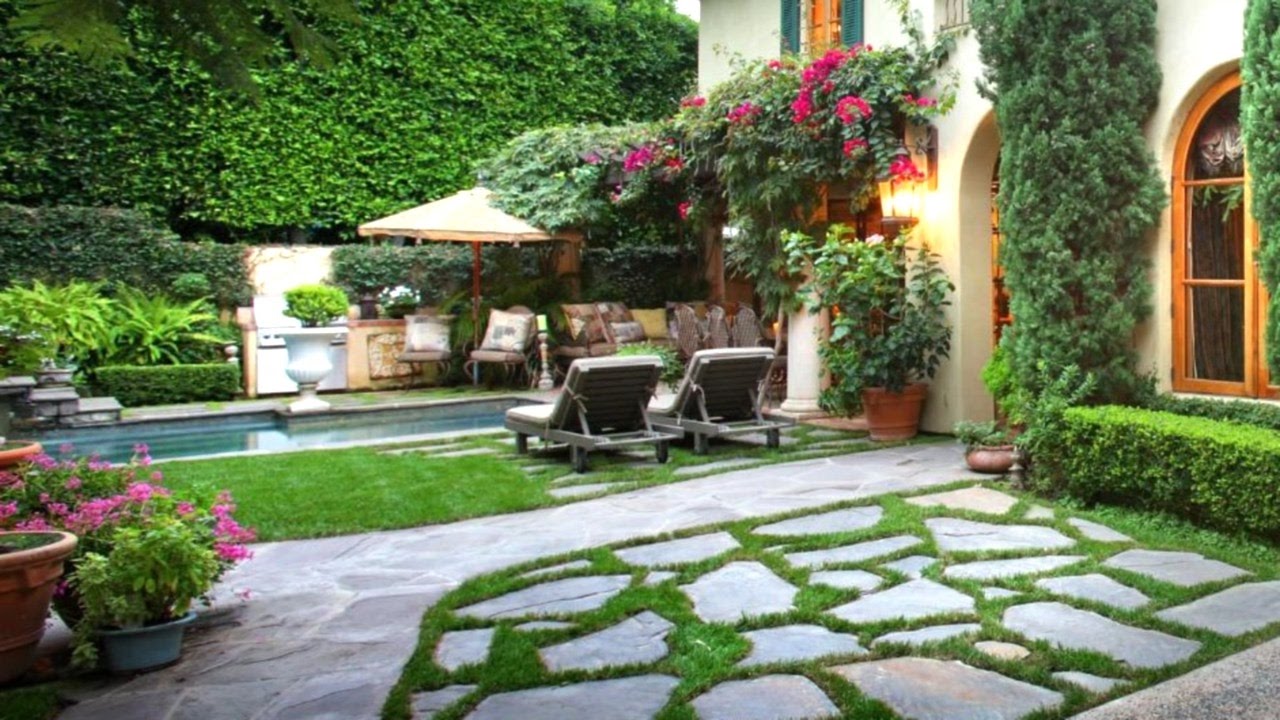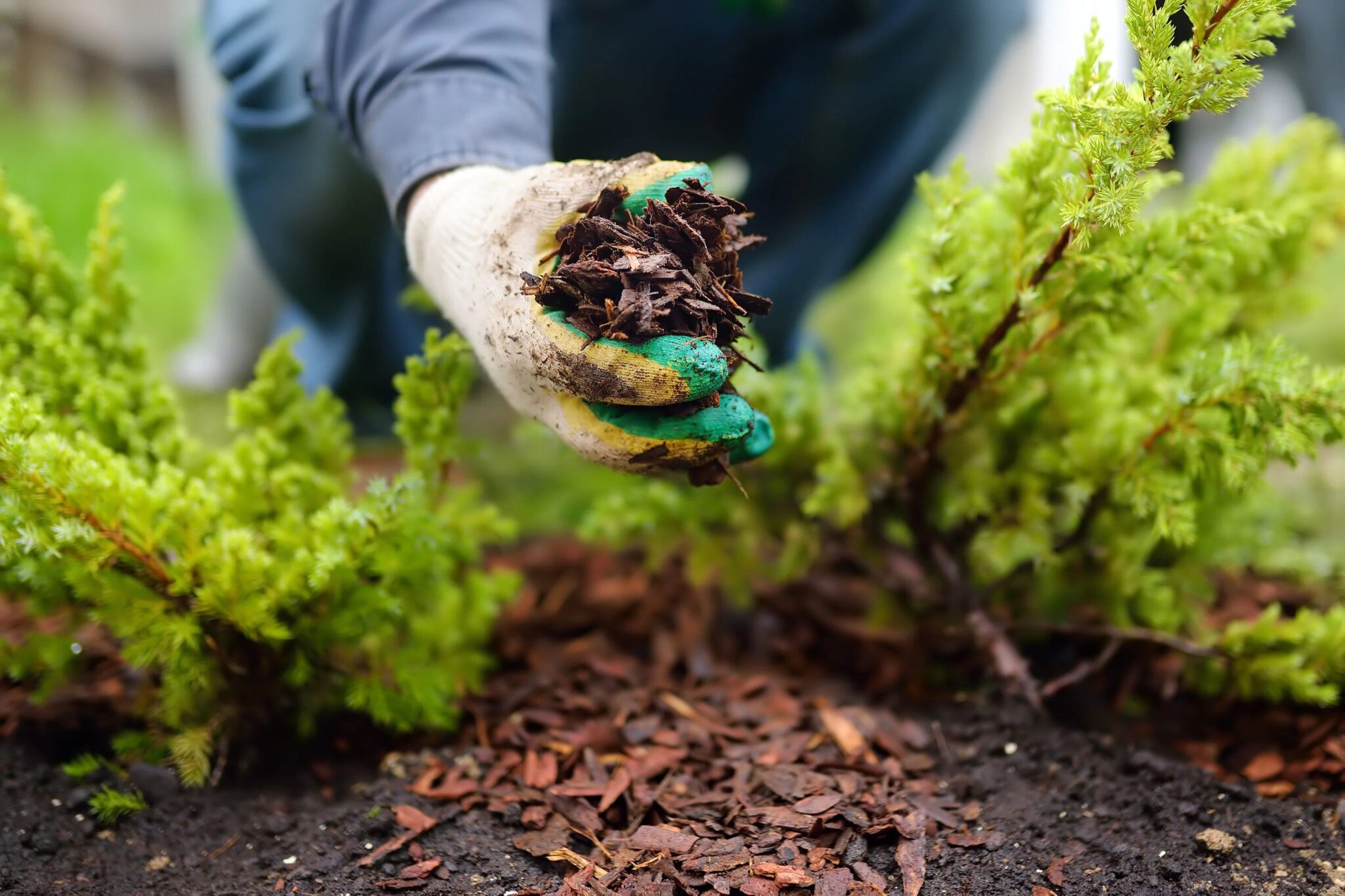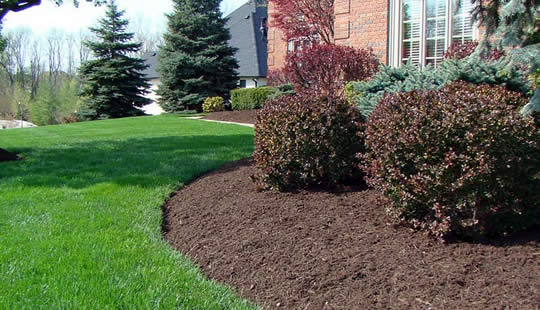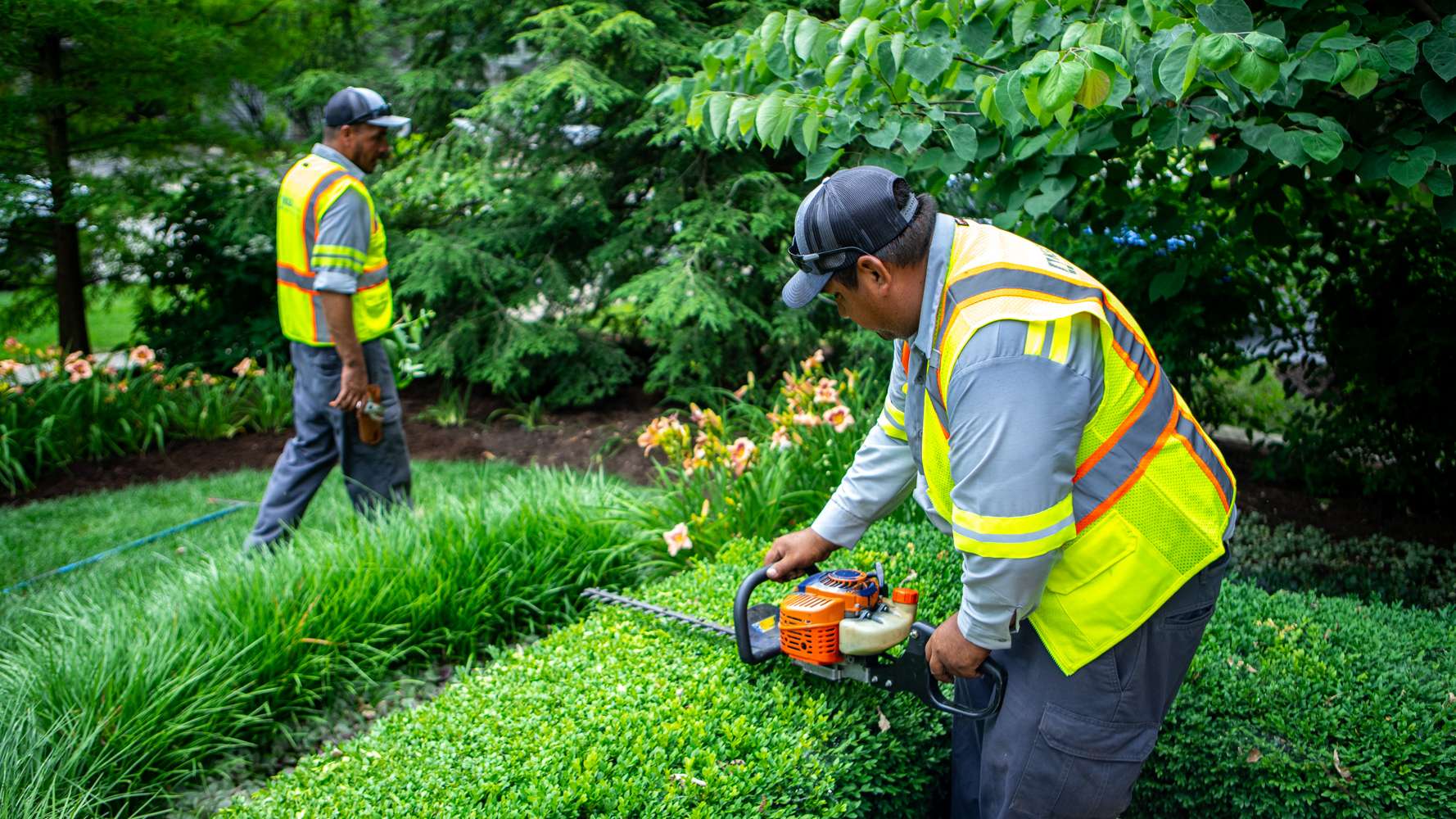
When it comes to creating a well-maintained and visually appealing outdoor space, landscape edging plays a crucial role. Whether you have a sprawling backyard, a cozy garden, or a commercial landscape, edging provides structure, enhances curb appeal, and simplifies maintenance. If you're considering adding landscape edging to your Berkeley property, this guide will walk you through its benefits, types, and installation methods.
Why is Landscape Edging Important?
Landscape edging serves several practical and aesthetic purposes:
Types of Landscape Edging
Choosing the right type of edging depends on your aesthetic preferences, budget, and maintenance requirements. Here are some of the most popular edging options:
1. Natural Edging
For those who love a seamless and organic look, natural edging involves creating boundaries by cutting distinct lines between different landscape elements. While it requires regular maintenance, it’s a cost-effective way to maintain an elegant lawn.
2. Brick Edging
Brick is a durable and classic choice that adds a sophisticated touch to any landscape. It is great for defining flower beds and walkways. While the initial installation may take time, bricks require minimal upkeep.
3. Stone Edging
Natural stone edging offers a rustic and timeless appearance. It blends well with gardens and walkways and can be arranged in various patterns. However, stone edging can be expensive and requires some expertise to install properly.
4. Metal Edging
For a sleek and modern look, metal edging is a fantastic choice. Made from aluminum or steel, it provides strong, long-lasting borders. Metal edging is flexible, allowing you to create curves and straight lines with ease.
5. Plastic Edging
Affordable and easy to install, plastic edging is a great option for DIY landscapers. It is available in various styles and colors but may not be as durable as other materials.
6. Wood Edging
Wood offers a warm and natural look that blends beautifully with gardens. It works well for raised beds and paths. However, since wood is susceptible to rot and pests, opting for treated wood or cedar can improve its longevity.
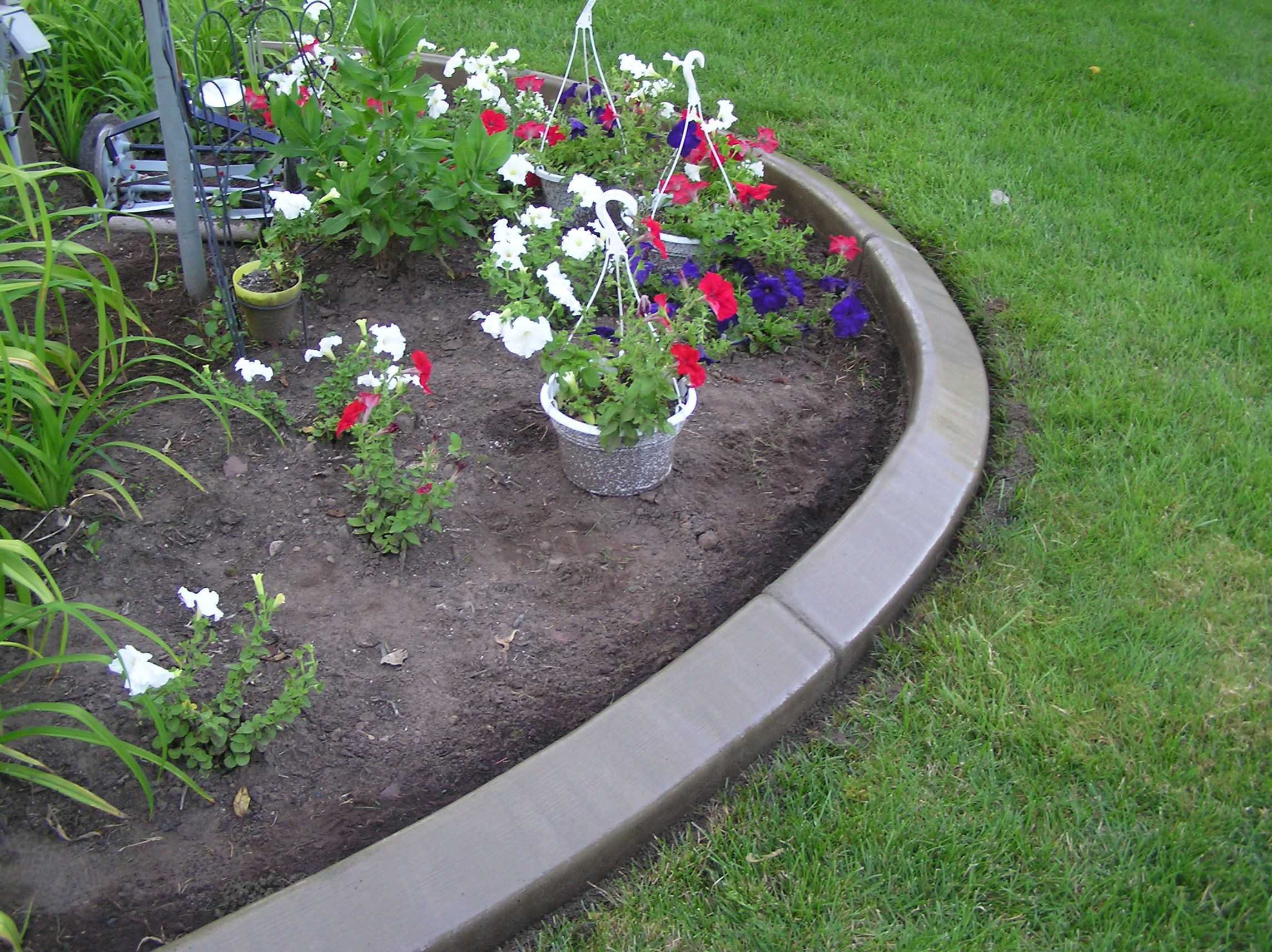
7. Concrete Edging
If durability is your priority, concrete edging is an excellent choice. It can be molded into various shapes and styles, and it withstands the elements better than most materials. Concrete edging is often used for more permanent and high-end landscape designs.
How to Install Landscape Edging
While each type of edging has its own installation process, the following are general steps to help you get started:
Choosing the Best Edging for Your Landscape
The best edging material for your yard depends on several factors:
Final Thoughts
Landscape edging is a simple yet transformative addition to any outdoor space. Whether you want to improve curb appeal, simplify maintenance, or create well-defined garden beds, there’s an edging solution for every landscape style. If you need expert advice or professional installation in Berkeley, consider reaching out to local landscape professionals who can help bring your vision to life.
By investing in quality landscape edging, you’ll enjoy a polished, structured, and low-maintenance yard for years to come!