Mulch installation is one of the simplest yet most effective ways to improve the health and appearance of your landscape. Whether you're a homeowner looking to enhance your garden or a landscaping professional seeking the best methods for mulch application, this guide will walk you through everything you need to know about mulch, its benefits, and proper installation techniques.
What is Mulch?
Mulch is a protective layer of material placed on the soil surface to retain moisture, regulate temperature, suppress weeds, and improve soil fertility. It can be organic (such as wood chips, bark, leaves, straw, or compost) or inorganic (such as rubber, gravel, or landscape fabric). Each type has its own benefits and is suited for different applications in your garden or yard.
Benefits of Mulching
1. Moisture Retention
Mulch acts as a barrier that prevents water from evaporating too quickly. This helps keep the soil moist, reducing the need for frequent watering.
2. Weed Suppression
A thick layer of mulch blocks sunlight from reaching the soil, preventing weeds from sprouting. This reduces the need for chemical herbicides and manual weeding.
3. Soil Health Improvement
Organic mulch decomposes over time, adding essential nutrients to the soil. This improves soil structure and promotes healthy root growth.
4. Temperature Regulation
Mulch insulates the soil, keeping it cooler in the summer and warmer in the winter. This protects plant roots from extreme temperature fluctuations.
5. Erosion Control
Mulch helps prevent soil erosion by reducing the impact of heavy rain and wind on exposed soil surfaces.
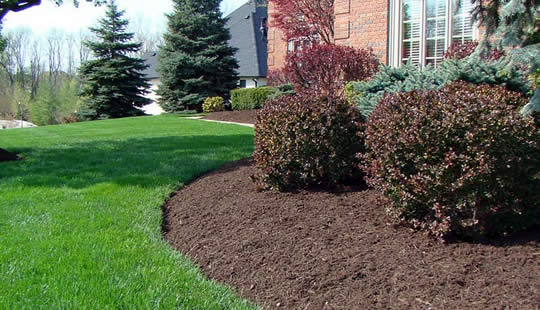
6. Enhanced Aesthetic Appeal
Mulch gives garden beds a neat and polished look. Available in different colors and textures, it can complement your landscape design beautifully.
Types of Mulch
Organic Mulch
Inorganic Mulch
How to Install Mulch Properly
Step 1: Choose the Right Mulch
Select mulch based on your landscaping needs. For instance, bark mulch works well around trees and shrubs, while compost is excellent for flower beds and vegetable gardens.
Step 2: Prepare the Area
Before laying mulch, remove any weeds and debris. You may also consider applying a weed barrier fabric to minimize future weed growth.
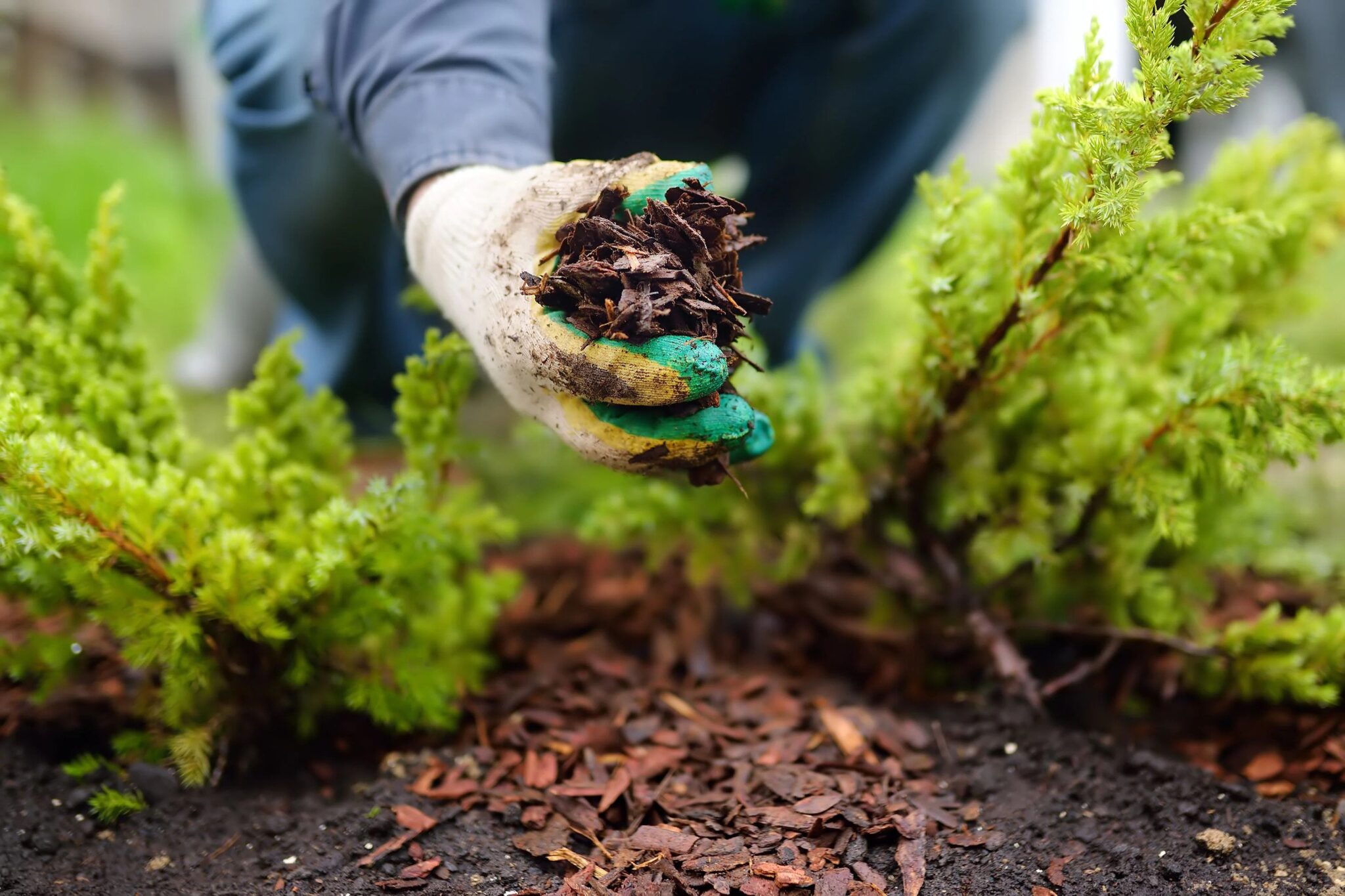
Step 3: Apply the Mulch
Spread the mulch evenly around plants, keeping a depth of 2-4 inches. Too much mulch can suffocate plant roots, while too little may not provide adequate benefits.
Step 4: Keep Mulch Away from Plant Stems
Avoid piling mulch directly against plant stems or tree trunks. Leave a gap of a few inches to prevent moisture buildup and potential rot.
Step 5: Water After Mulching
After applying mulch, water the area to help settle the material and create a stable layer.
Maintaining Mulch
Conclusion
Mulch installation is an easy and effective way to enhance your landscape while benefiting your plants and soil. Whether you choose organic or inorganic mulch, proper application and maintenance will help you achieve a thriving, beautiful garden. If you need assistance with mulch installation, consider consulting a professional landscaping service like Berkeley Landscape Design to ensure optimal results.
By taking the time to install and maintain mulch properly, you’ll enjoy a healthier, more vibrant outdoor space for years to come!