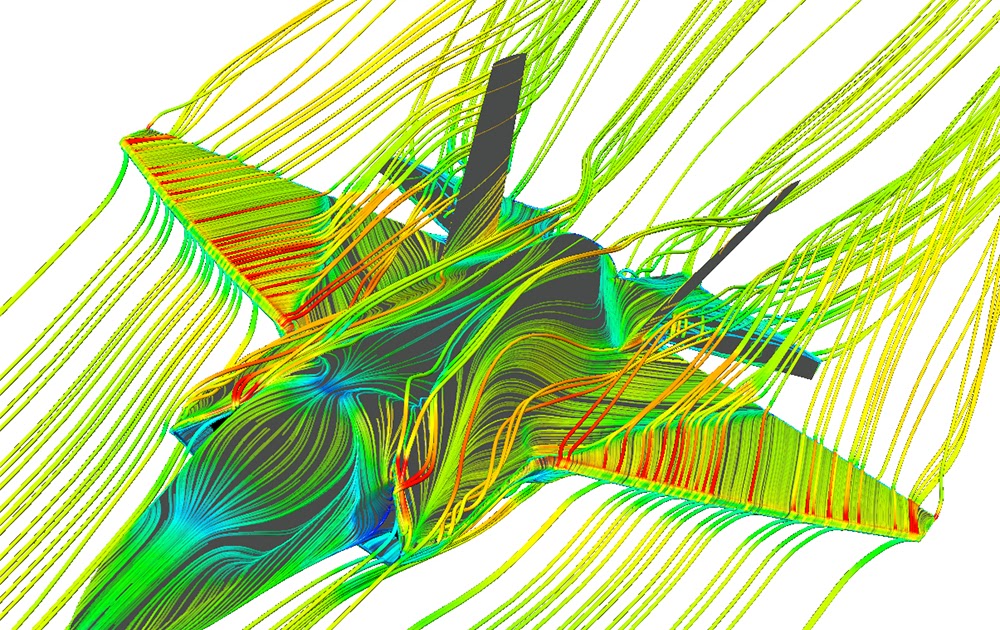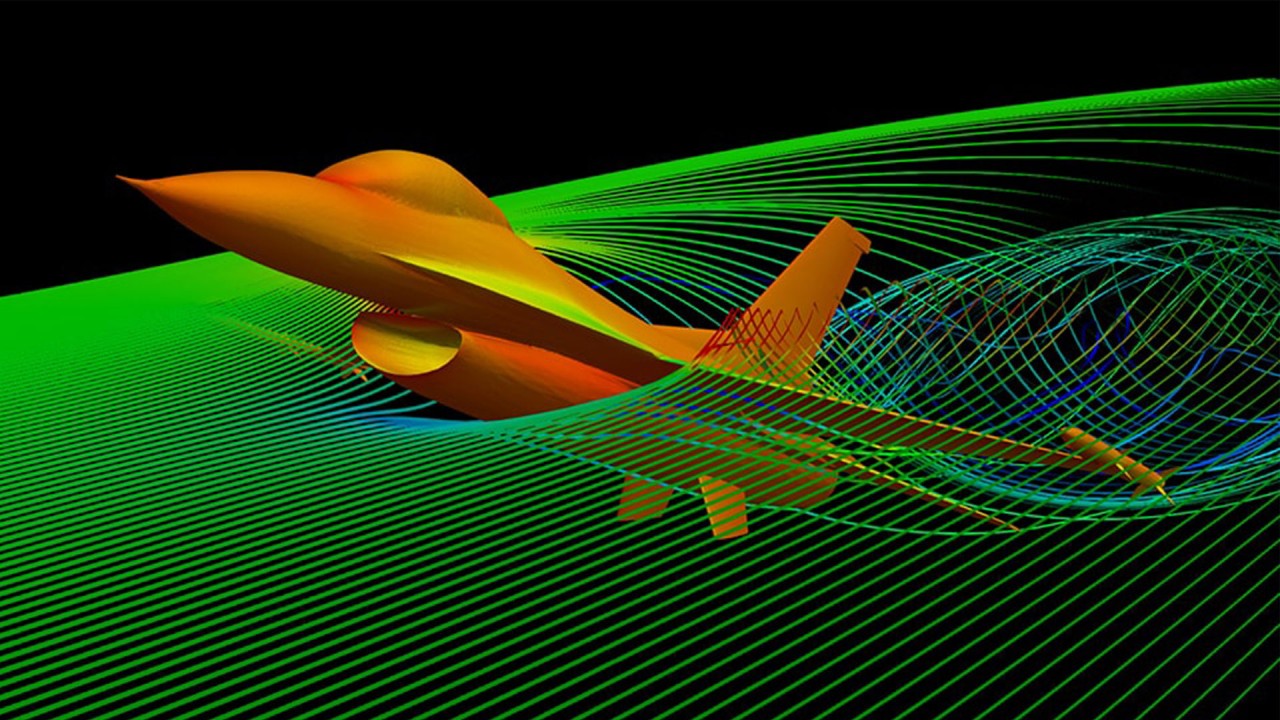
Computational Fluid Dynamics (CFD) has emerged as a powerful tool in modern engineering, offering unprecedented insights into fluid behavior and flow patterns. This sophisticated numerical analysis method has transformed how engineers and scientists approach complex fluid-related challenges across various industries. By combining advanced mathematics, physics, and computer science, CFD enables professionals to simulate and analyze fluid flows, heat transfer, and associated phenomena with remarkable accuracy.
Understanding the Fundamentals of CFD
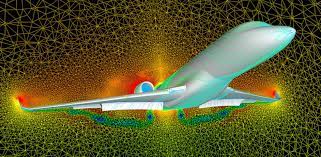
At its core, CFD is based on the numerical solution of fundamental fluid dynamics equations, primarily the Navier-Stokes equations. These equations describe the motion of fluid substances and form the mathematical foundation of fluid dynamics. CFD breaks down complex fluid flow problems into smaller, manageable components using discretization methods. The analysis domain is divided into numerous small cells or elements, forming a mesh or grid. Within each cell, the governing equations are solved iteratively to determine fluid properties such as velocity, pressure, temperature, and density.
The Three Main Stages of CFD Analysis
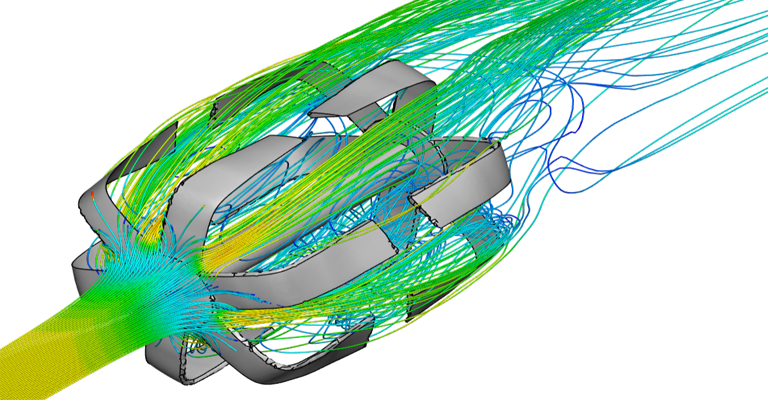
Pre-processing is the initial stage where engineers define the geometry of the problem, create the computational domain, and generate the mesh. This stage also involves specifying material properties, boundary conditions, and initial conditions. The quality of the mesh and the accuracy of input parameters significantly influence the final results. The second stage, solving, involves the numerical solution of the governing equations using various algorithmic methods. Computational Fluid Dynamics (CFD) software employs sophisticated solvers that can handle different types of flows, from laminar to turbulent, compressible to incompressible. This stage is computationally intensive and often requires significant processing power. Post-processing, the final stage, involves the visualization and interpretation of results. Advanced visualization tools allow engineers to analyze flow patterns, identify potential problems, and optimize designs. This stage is crucial for making informed engineering decisions based on the simulation results.
Applications Across Industries
The versatility of CFD has led to its adoption across numerous industries. In aerospace engineering, CFD is instrumental in designing aircraft, optimizing aerodynamics, and analyzing engine performance. The automotive industry uses CFD to improve vehicle aerodynamics, enhance engine efficiency, and reduce fuel consumption. In civil engineering, CFD helps analyze wind loads on structures, optimize HVAC systems, and study environmental flows. The energy sector employs CFD for designing wind turbines, optimizing combustion processes, and analyzing nuclear reactor cooling systems. Medical applications include studying blood flow in arteries, designing medical devices, and analyzing respiratory flows. In environmental engineering, CFD aids in pollution dispersion studies, weather prediction, and climate modeling.
Benefits and Advantages of CFD
Cost-Effectiveness CFD significantly reduces the need for physical prototypes and experimental testing. While initial software investment might be substantial, the long-term cost savings in terms of reduced physical testing and faster design optimization make it economically advantageous. Time Efficiency Virtual simulations can be performed much faster than physical experiments. Multiple design iterations can be tested quickly, accelerating the product development cycle. This rapid iteration capability allows engineers to explore various design options efficiently. Enhanced Safety CFD enables the analysis of hazardous or extreme conditions without physical risk. Engineers can simulate dangerous scenarios, such as fire spread or toxic gas dispersion, safely and effectively. Detailed Insights CFD provides comprehensive data about fluid behavior that might be difficult or impossible to measure experimentally. Engineers can examine flow patterns, pressure distributions, and temperature variations at any point within the computational domain.
Current Challenges and Limitations
Despite its advantages, CFD faces several challenges. The accuracy of results depends heavily on the quality of input parameters and mesh resolution. Complex phenomena like turbulence still present modeling challenges, and high-fidelity simulations require significant computational resources. Model validation remains crucial, as CFD results must be verified against experimental data to ensure reliability. The need for experienced analysts who understand both fluid dynamics and numerical methods is another limitation. The field of CFD continues to evolve with technological advancements. Machine learning and artificial intelligence are being integrated into CFD workflows, improving automation and optimization capabilities. Cloud computing is making high-performance computing resources more accessible, enabling more complex simulations. Real-time CFD analysis is becoming possible with increasing computational power, opening new applications in interactive design and virtual reality. Advanced visualization techniques are enhancing the way results are presented and interpreted. Successful CFD implementation requires careful attention to several key aspects. Proper mesh generation is crucial, with attention to mesh quality and refinement in critical regions. Selection of appropriate physical models and boundary conditions must be based on thorough understanding of the problem physics.
Get this Report in Japanese Language
Get this Reports in Korean Language
About Author:
Priya Pandey is a dynamic and passionate editor with over three years of expertise in content editing and proofreading. Holding a bachelor's degree in biotechnology, Priya has a knack for making the content engaging. Her diverse portfolio includes editing documents across different industries, including food and beverages, information and technology, healthcare, chemical and materials, etc. Priya's meticulous attention to detail and commitment to excellence make her an invaluable asset in the world of content creation and refinement.
(LinkedIn- https://www.linkedin.com/in/priya-pandey-8417a8173/)