






The modern workplace thrives on seamless communication, so choosing a business phone system is critical. Enterprises must weigh the benefits of cloud-based solutions—offering flexibility, lower upfront costs, and easy scalability—against hybrid systems that retain elements of traditional PBX while integrating with cloud technologies. While each model presents advantages, the choice depends on your organization's size, structure, and long-term communication goals. A thoughtful assessment of cost, ease of deployment, and scalability will help businesses future-proof their telecom infrastructure.
Understanding the Two Models
Cloud-based phone systems deliver communication services entirely over the Internet without relying on on-premise hardware. This model offers several advantages, including lower upfront capital expenditures, predictable operating costs, and rapid scaling. With a cloud-based system, businesses typically subscribe to a service and pay monthly fees that cover maintenance, updates, and support. These systems integrate seamlessly with other cloud applications, such as CRM and unified communications platforms, making them highly attractive for companies looking to modernize their IT environments.
In contrast, hybrid phone systems combine elements of traditional on-premise PBX systems with cloud-based VoIP solutions. This model allows organizations to retain specific legacy infrastructure components while supplementing them with modern, cloud-based features. As companies maintain some on-site hardware, hybrid systems can provide greater control over sensitive or critical communications. At the same time, they benefit from the flexibility and scalability of cloud services, allowing businesses to gradually transition to a fully digital communication environment without discarding existing investments.
Cost Efficiency: Upfront Investment vs. Ongoing Expenses
Cost is a crucial factor for any enterprise when evaluating a phone system. Cloud-based systems generally require minimal upfront investment compared to traditional PBX systems. Since providers host the infrastructure remotely, companies avoid the expense of purchasing and maintaining physical hardware. This subscription-based model ensures predictable monthly costs and often includes comprehensive support and maintenance as part of the service package.
However, while cloud-based systems offer low initial costs, they may involve recurring fees accumulating over time. A hybrid system might be more cost-effective for some businesses, particularly those with stable communication needs and significant existing infrastructure. By leveraging current PBX investments and only transitioning critical functions to the cloud, enterprises can manage their expenses more effectively while enjoying the benefits of modern communication features.
The right choice depends largely on an organization's financial strategy and growth trajectory. Businesses prioritizing minimizing capital expenditures and preferring operational expenditure models will likely favor cloud-based systems. Conversely, enterprises already invested in on-premise infrastructure or requiring tighter control over their communications may find that a hybrid approach offers a better balance between cost and functionality.
Flexibility for Growing Enterprises
Scalability plays a crucial role, especially for businesses preparing for growth. Cloud-based phone systems scale rapidly, allowing companies to add or remove users and features with minimal disruption. This flexibility benefits organizations experiencing rapid expansion, seasonal fluctuations, or those supporting remote work environments. Because these systems operate in the cloud, scaling is as simple as adjusting a subscription plan, making it an ideal solution for dynamic businesses.
Hybrid phone systems, while also scalable, offer different flexibility. They allow organizations to leverage their existing PBX systems for steady-state operations while tapping into the cloud for additional capacity. This approach is particularly valuable for companies transitioning from legacy systems, providing a gradual migration path that minimizes disruption and risk. With a hybrid model, enterprises can enjoy both the predictability of on-premise control and the scalability of cloud solutions, ensuring that their communication infrastructure grows in tandem with their business.
Ease of Integration
A modern communication system must seamlessly integrate with other business applications to be truly effective. Cloud-based phone systems are often built with integration, offering APIs and pre-built connectors that facilitate smooth interfacing with CRM, ERP, and unified communications platforms. This level of integration helps streamline workflows, improve data consistency across systems, and enhance overall operational efficiency.
By design, hybrid systems offer the advantage of continuity. They allow businesses to maintain the integrations established with their legacy PBX systems while incorporating new cloud-based tools. However, the integration process in a hybrid environment can be more complex, requiring both on-premise and cloud components to communicate effectively. This approach might involve using middleware or specialized integration platforms to bridge the gap between different systems.
Despite these challenges, integration offers significant benefits: Employees can collaborate more efficiently by accessing voice, video, messaging, and data from a single interface, enhancing productivity and improving customer interactions, while service teams can access customer data and communication histories.
Deployment Complexity and Transition Strategies
Transitioning from a traditional PBX system to a cloud-based or hybrid phone system involves several logistical and technical challenges. Due to their subscription model and remote infrastructure, cloud-based systems generally offer straightforward and faster deployment. Installation times are shorter, and there is minimal disruption during system rollout. Rapid deployment is especially advantageous for businesses that need to scale quickly or update their technology without lengthy lead times.
While potentially more complex to deploy, hybrid phone systems offer the advantage of a gradual transition. By integrating new VoIP capabilities with existing PBX systems, businesses can phase in modern features without a complete system overhaul. This step-by-step approach reduces risk and enables IT teams to address issues incrementally. In a well-planned hybrid deployment, teams conduct a pilot phase to test the new system in a controlled environment before proceeding with full-scale implementation.
Comprehensive planning is the key to a successful transition. Companies must thoroughly assess their current infrastructure, define clear objectives for the migration, and choose the right technology partners. Training and change management are also critical. Employees need to understand how to use the new system, and ongoing support should be available to address any issues during the transition.
The Strategic Role of Telecom Management
Effective telecom management goes beyond the initial deployment of a new phone system. It involves continuous monitoring, regular performance assessments, and proactive vendor management. A robust telecom management strategy ensures that the communication system remains aligned with business goals, adapts to evolving needs, and delivers consistent performance over time.
Centralized telecom management software can be pivotal in this regard. Such tools provide real-time insights into usage patterns, call quality, and overall system performance. They enable businesses to identify areas for improvement, optimize resource allocation, and hold vendors accountable. By combining automation with expert oversight, organizations can create a proactive management environment that maximizes the return on investment from their telecom systems.
Empower Your Communication Transformation with zLinq
Navigating the landscape of modern communication systems is a strategic challenge that requires careful evaluation of cost, scalability, and integration needs. Whether opting for an entirely cloud-based solution or a hybrid approach that leverages existing PBX infrastructure, businesses must plan meticulously to ensure a smooth transition and long-term success.
Making the correct choice requires businesses to partner with a trusted telecom management expert who understands modern telecom transitions' complexities. A company like zLinq provides the strategic guidance and technical expertise necessary to ensure a seamless migration and maximize the benefits of an optimized communication system. By offering comprehensive services—from network assessments and vendor management to seamless integration of VoIP technologies—zLinq helps organizations build a robust, future-ready phone system that supports growth and operational excellence.
For enterprises ready to modernize their communication strategy and embrace a scalable, flexible phone system, partnering with zLinq is the key to unlocking long-term value and efficiency. Contact zLinq today to learn how their expert-led solutions can transform your telecom infrastructure and drive sustained business success in an ever-evolving digital landscape.





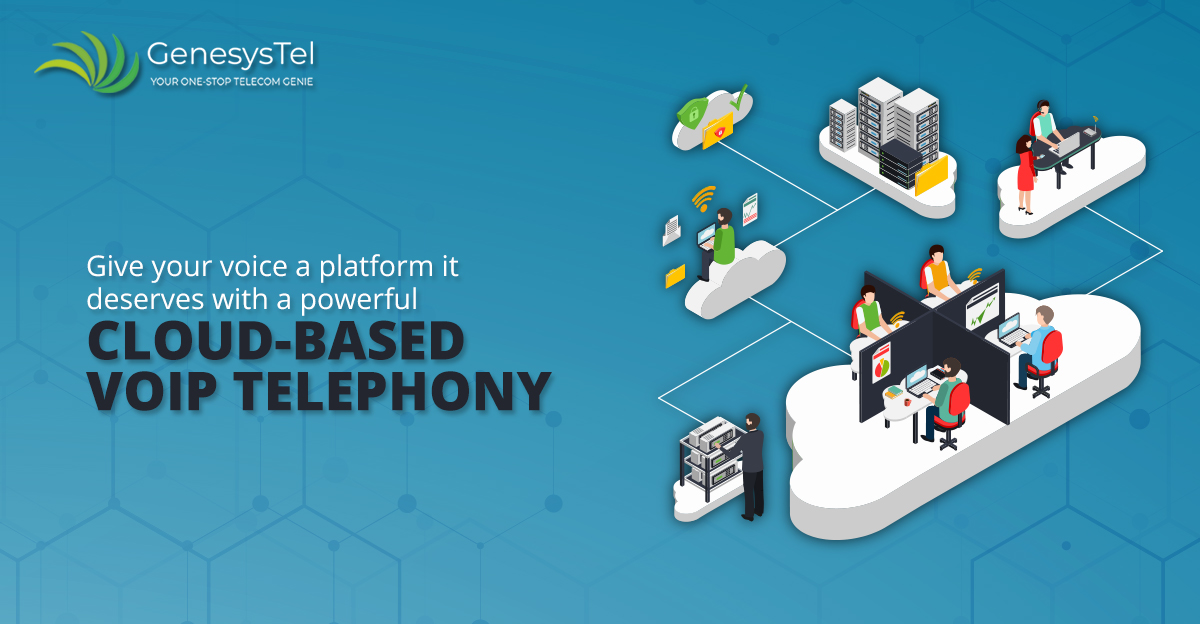
The widespread usage of emails for communication within work environment has still not been able to replace the importance of a telephony system.
This is primarily because it’s much easier and convenient to have a quick 30-second conversation over the phone, rather than waiting for the respondent to take out time to open, read, and then reply to your message.Source: https://genesystel.com.au/upgrading-your-phone-system-to-cloud/