In the demanding world of heavy machinery and industrial equipment, durability, reliability, and strength are non-negotiable. These machines are often exposed to extreme pressure, vibration, and wear-and-tear — making the quality of their components crucial to their performance and lifespan. Among the most trusted solutions in this realm are forged parts and components. Forging, a manufacturing process involving the shaping of metal using localized compressive forces, offers unmatched strength and structural integrity.
As a leading forged parts and components manufacturer, Unique Forgings is at the forefront of supplying high-performance forged solutions for various application industries. In this blog, we will explore how forged parts significantly improve the performance of heavy machinery and why they are a preferred choice across diverse sectors.
The Superiority of Forged Components in Heavy Machinery:
Forging has been a cornerstone of industrial manufacturing for centuries. However, modern forging techniques have evolved, resulting in higher precision, strength, and consistency. Here’s how forged parts improve performance in heavy machinery:
1. Exceptional Strength and Durability:
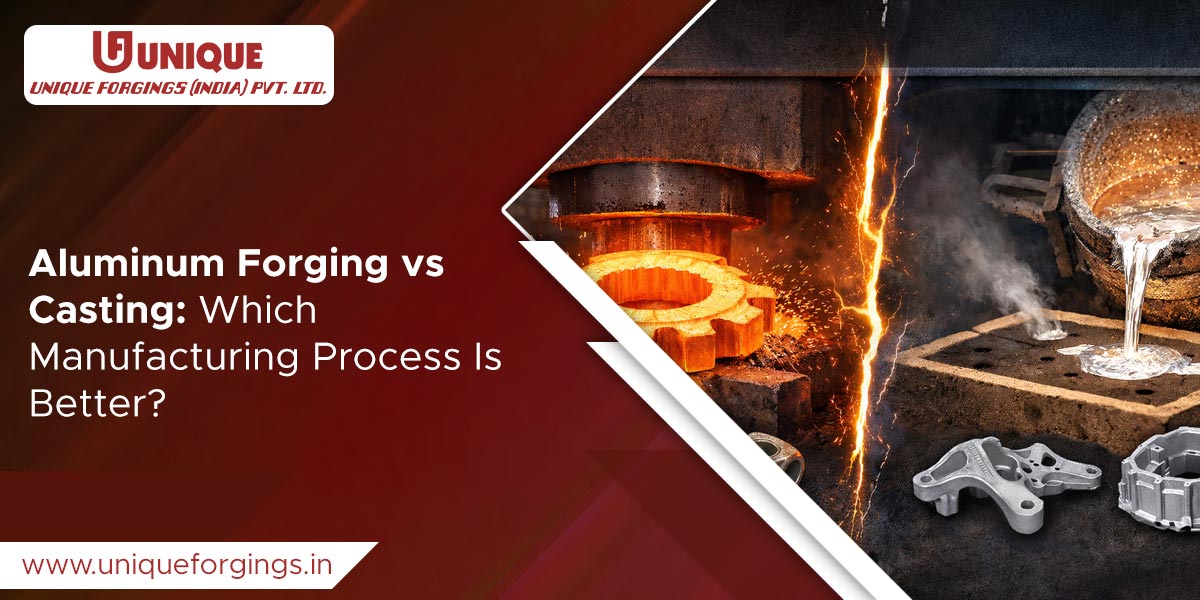
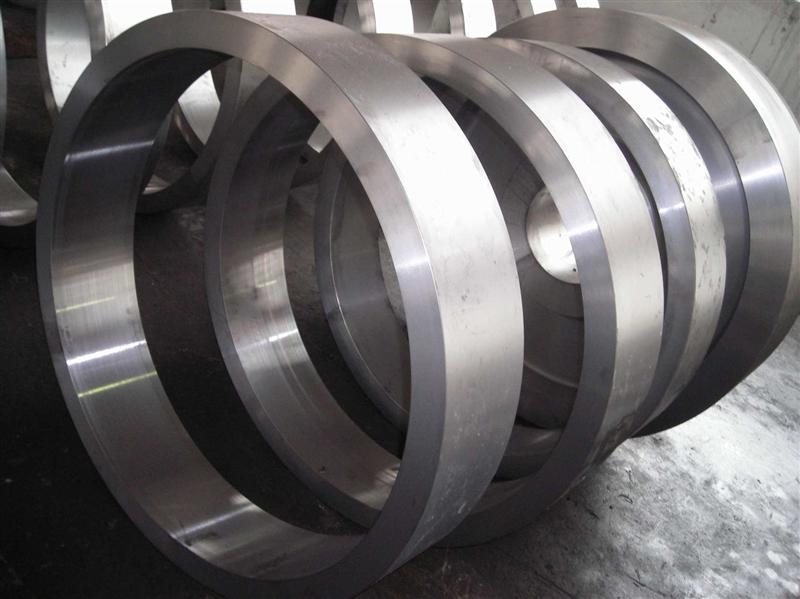
Forged components are inherently stronger than cast or machined parts. The forging process aligns the metal’s grain structure with the shape of the part, enhancing its mechanical properties. This means the forged part can withstand higher levels of stress and impact without failure — a key requirement for heavy-duty machinery that operates under extreme loads and pressures.
2. Resistance to Fatigue and Wear:
In industries like mining, construction, and agriculture, machines must function continuously, often in harsh environments. Forged parts have better fatigue resistance and are less prone to cracking or deforming, making them ideal for such operations. Their superior surface finish and microstructure reduce friction and wear, translating into longer operational life and reduced maintenance.
3. Consistency and Reliability:
Unlike cast parts that may contain internal voids or porosity, forged parts are free from such defects. This results in better reliability and predictability of performance — crucial factors for mission-critical equipment. A consistent part leads to consistent machine behavior, reducing downtime and boosting productivity.
Common Forged Parts Used in Heavy Machinery:
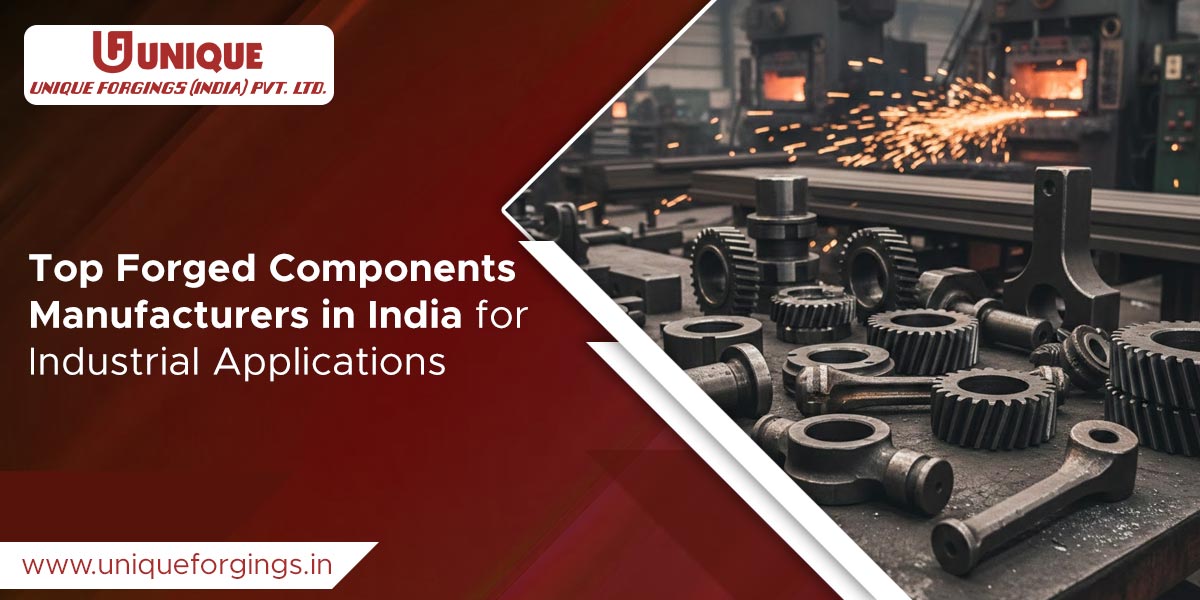
Heavy machinery involves many moving and load-bearing components. Forging is used to manufacture a wide variety of these parts, including:
● Gears
● Shafts
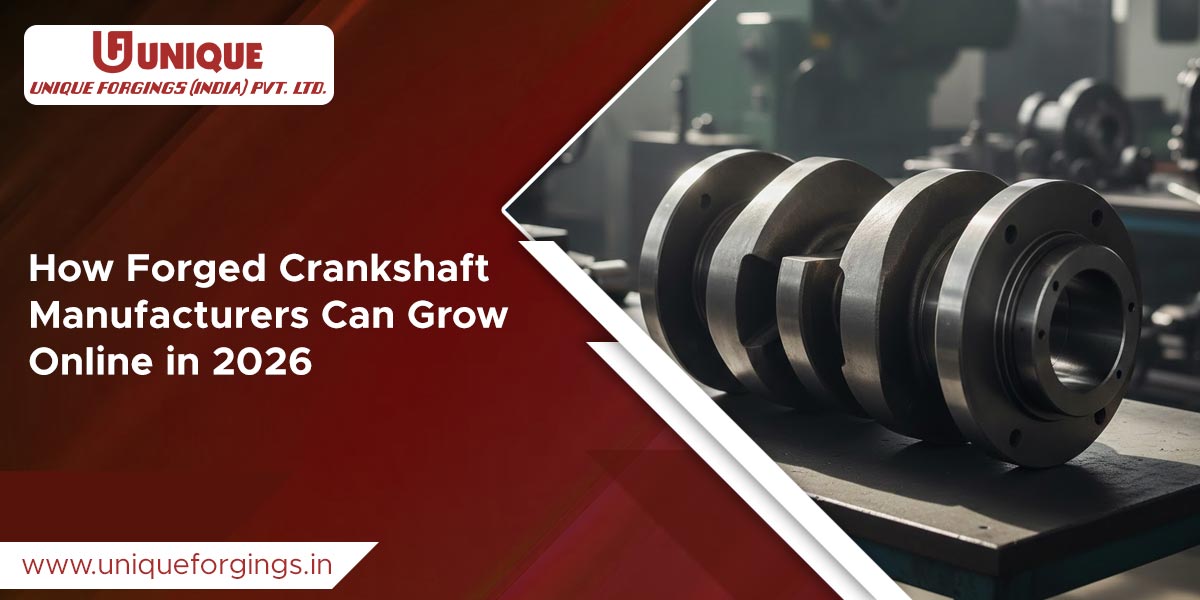
● Crankshafts
● Spindles
● Bushes
● Hubs
● Connecting rods
● Axle beams
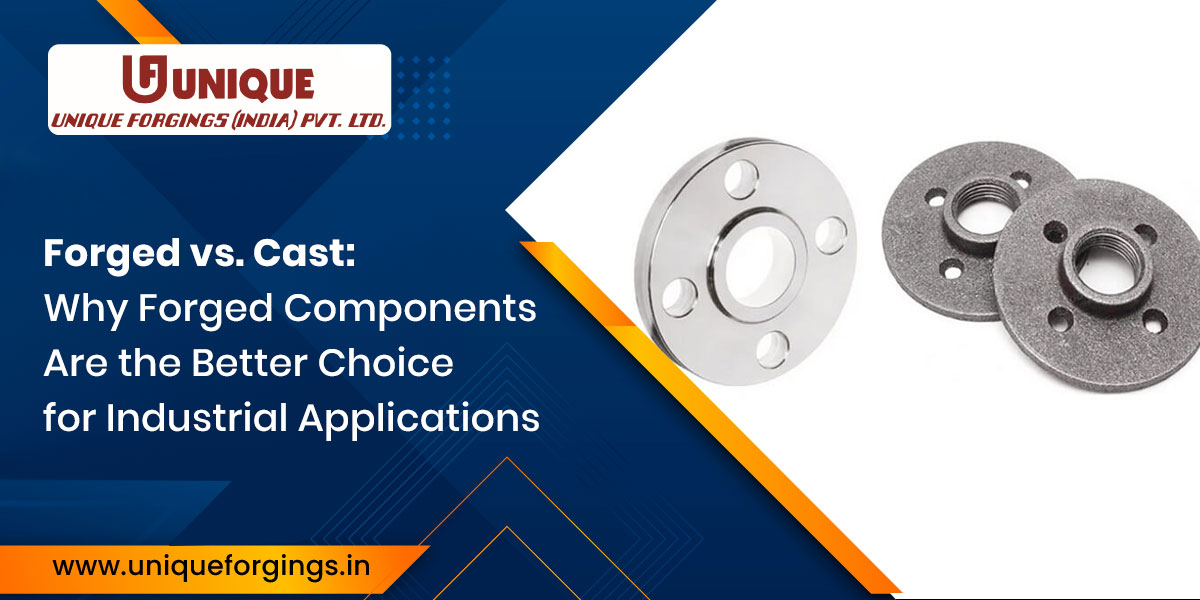
● Flanges
These parts not only benefit from the strength of the forging process but also provide better fit and alignment, reducing vibrations and enhancing machine efficiency.
Industries That Rely on Forged Components:
The advantages of forged parts are not limited to one or two sectors. Numerous forged components application industries rely on these robust parts to maintain operational excellence. Some of the most prominent ones include:
1. Construction and Earthmoving Equipment:
Bulldozers, excavators, loaders, and cranes endure high stress, shock loads, and constant movement. Forged gears, shafts, and levers used in these machines are designed to absorb impact and resist deformation, ensuring optimal performance and safety on construction sites.
2. Mining Industry:
In mining, equipment such as crushers, draglines, and haul trucks must operate in extremely abrasive and corrosive environments. Forged components deliver the toughness and fatigue resistance required to handle heavy ore loads, shock, and vibration without premature failure.
3. Agriculture Machinery:
Tractors, harvesters, tillers, and ploughs are often used for long hours in tough soil conditions. Forged crankshafts, axles, and transmission parts enhance reliability and help machines withstand repeated use, minimizing breakdowns during critical farming seasons.
4. Oil and Gas Industry:
Equipment in this sector often faces high-pressure, high-temperature environments. Forged flanges, couplings, and drilling components offer the integrity and durability necessary for safe and efficient oilfield operations.
5. Automotive and Transportation:
Heavy vehicles such as trucks, trailers, and buses use forged suspension and steering components to improve performance and safety. Forging ensures higher impact resistance, which is crucial for vehicles transporting heavy loads over long distances.
6. Railway and Locomotive:
In the railway industry, forged wheelsets, couplings, and axles are essential for high strength and long service life. The heavy loads and constant friction involved in rail operations demand parts that can maintain shape and strength over time.
The Role of a Trusted Forged Parts and Components Manufacturer:
Choosing the right forged parts and components manufacturer plays a pivotal role in the overall performance of your machinery. At Unique Forgings, we specialize in designing and delivering high-precision forged components tailored to the exact specifications of various industries. Our in-house capabilities include:
● Closed die forging
● Open die forging
● Upset forging
● Heat treatment
● Machining and finishing
We follow stringent quality control measures, ensuring each part meets international standards for strength, reliability, and performance.
Customization and Cost Efficiency:
One of the lesser-known benefits of forging is the ability to customize parts for specific machinery and applications. Whether it's an irregular geometry or a unique mechanical requirement, forged parts can be tailored to suit your equipment perfectly.
Moreover, while the initial cost of forging may be slightly higher compared to other processes, the overall lifecycle cost is significantly lower. The reduced need for repairs, lower downtime, and longer lifespan of forged components make them a cost-effective investment in the long run.
Sustainability and Eco-Friendliness:
As industries move toward sustainable practices, forging proves to be a more environmentally friendly process. It reduces material wastage, consumes less energy compared to casting or machining, and results in durable products that don’t need frequent replacements. This supports green manufacturing goals without compromising on performance.
Final Thoughts:
In the high-stakes world of heavy machinery and equipment, performance is everything. Forged parts offer unmatched strength, reliability, and efficiency — making them the go-to choice for a wide range of applications. From mining and construction to agriculture and transport, the importance of high-quality forged components cannot be overstated.
At Unique Forgings, we take pride in being a trusted forged parts and components manufacturer, delivering excellence across forged components application industries. Our expertise, advanced manufacturing techniques, and commitment to quality ensure your machines run stronger, longer, and smarter.
Contact us today to learn how our forged solutions can elevate your industrial performance.