


The retail landscape is undergoing a transformative shift—from traditional brick-and-mortar outlets to fully integrated omnichannel experiences. Today’s tech-savvy consumers expect a consistent and cohesive journey across every touchpoint, whether it's online, in-store, or through mobile apps. According to an IDC survey, omnichannel shoppers have 30% higher lifetime value compared to those using a single channel, underscoring the strategic importance of omnichannel retail software.
Retailers are embracing this trend by incorporating omnichannel strategies into their core operations. Yet, many face challenges in fully implementing these approaches due to fragmented systems and operational inefficiencies. That’s where ERP for omnichannel retail becomes a game-changer—helping retailers deliver seamless, connected experiences across all channels.
In this blog, we’ll explore the pivotal role of omnichannel ERP in modern retail and how it bridges the gap between inventory, orders, and customer engagement.
What is Omnichannel Retail?
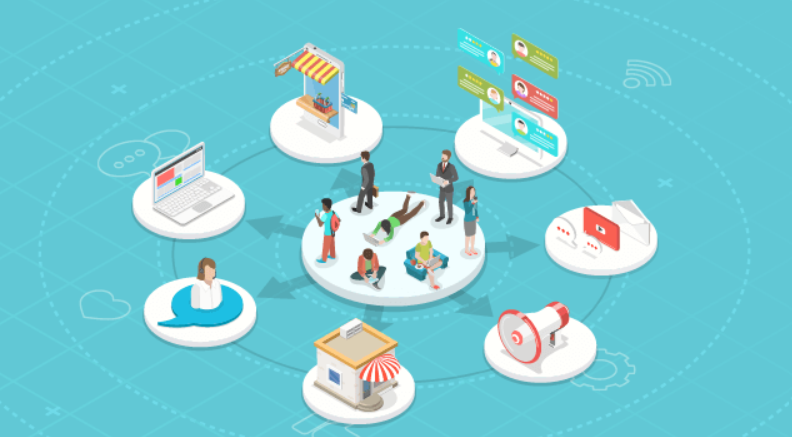
Omnichannel retail is a modern retail approach that ensures customers enjoy a seamless and consistent shopping experience across every device and platform—be it in-store, on mobile apps, social media, or eCommerce websites. It fosters stronger brand loyalty and higher customer engagement by offering a unified presence throughout the customer journey.
However, achieving a true omnichannel experience isn't easy. Many retailers struggle with disconnected systems, inventory mismanagement, inconsistent pricing, and siloed customer data. That’s where an ERP system tailored for omnichannel retail proves invaluable.
How ERP Drives Omnichannel Integration
An ERP system acts as a centralized engine, enabling retailers to integrate and streamline operations across multiple channels. Here’s how:
1. Acts as a Unified Data Hub
Retail ERP consolidates information from all sales platforms, offering a 360-degree view of operations. This centralization simplifies workflows and enhances operational consistency.
2. Seamless Connectivity Across Platforms
Advanced ERP systems connect online stores, mobile apps, POS systems, and marketplaces. This real-time synchronization keeps product listings, pricing, and customer data up to date across all channels.
3. Delivers Real-Time Insights
Retailers gain real-time visibility into inventory, orders, and customer interactions. These insights support strategic decision-making on promotions, pricing, and supply chain management.
Let’s break down how ERP systems synchronize inventory, orders, and customer data for a holistic retail experience.
Synchronization of Inventory, Orders, and Customer Data
Inventory Management
Order Management
Customer Data Unification
This seamless integration of systems and data empowers retailers to reduce operational costs, elevate customer satisfaction, and drive business growth.
Specific Features of ERP for Omnichannel Retail
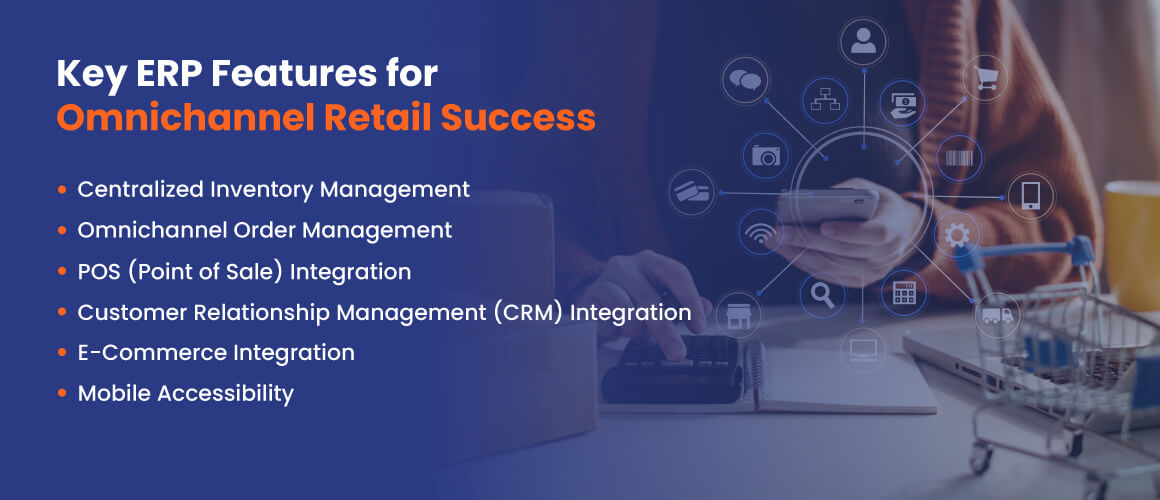
Here are some standout features of a retail ERP solution that enhance the omnichannel journey
1. Centralized Inventory Control
Monitors stock in real-time across all locations and platformsAutomates updates based on stock movement and sales trendsSupports intelligent stock distribution and replenishment
2. Integrated Omnichannel Order Processing
Unifies order processing from all channels—online, in-store, and mobileSupports flexible fulfillment options like BOPIS (Buy Online, Pick Up In Store)Manages returns and exchanges seamlessly
3. POS System Integration
Synchronizes in-store POS data with central ERP for real-time insightsEnsures consistent pricing and offers across all customer touchpoints
4. CRM Integration for Personalization
Maintains unified customer profiles for tailored marketingEnables loyalty programs and personalized promotionsImproves service levels and customer retention
5. E-Commerce Platform Integration
Synchronizes inventory and order data with eCommerce platformsEnables instant updates on product availability and order status
6. Mobile Access & Functionality
Empowers staff with mobile POS and real-time ERP accessAllows customers to track orders, browse products, and get updates via mobile apps
These features work together to ensure a unified customer experience, boosting satisfaction while streamlining back-end operations.
Final Thoughts
Omnichannel retail success hinges on real-time data synchronization and streamlined operations—precisely what an ERP system delivers. By integrating inventory, orders, and customer touchpoints, ERP for the retail industry helps overcome implementation challenges and enables retailers to scale effectively.
At Silver Touch Technologies, we offer tailored ERP solutions that align with your retail strategy and business goals. Our experts work closely with you to implement omnichannel ERP systems that elevate customer experiences and operational efficiency.
Contact us today to discover how our ERP solutions can transform your retail operations and drive sustained growth.
Source - https://www.silvertouchinc.com/blog/how-erp-reshapes-the-future-of-omnichannel-retail-experiences/