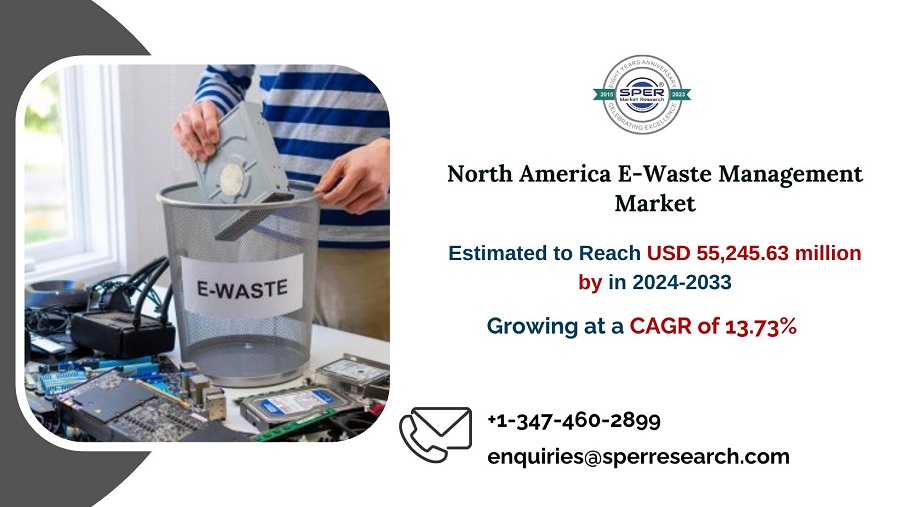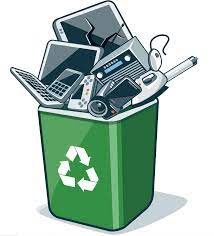


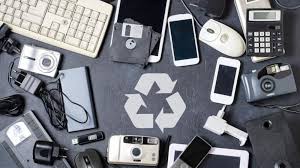
India E-Waste Management Market size was valued at USD 1.56 billion in FY2023, which is expected to reach USD 3.35 billion in FY2031 with a CAGR of 10.02% for the forecast period between FY2024 and FY2031. India ranks as the world's third-largest e-waste producer, following the United States and China. In the fiscal year 2022, India generated approximately 1.6 million tons of electronic waste, with projections indicating a surge to 29 million tons by 2030. India processed 0.52 million tons of e-waste in the same fiscal year, but 67% remained untreated. The country is grappling with an information technology boom and electronic consumption, creating millions of tons of e-waste. To address this, the government is implementing new e-waste absorption and recycling policies, encouraging startups and small-scale recycling enterprises.
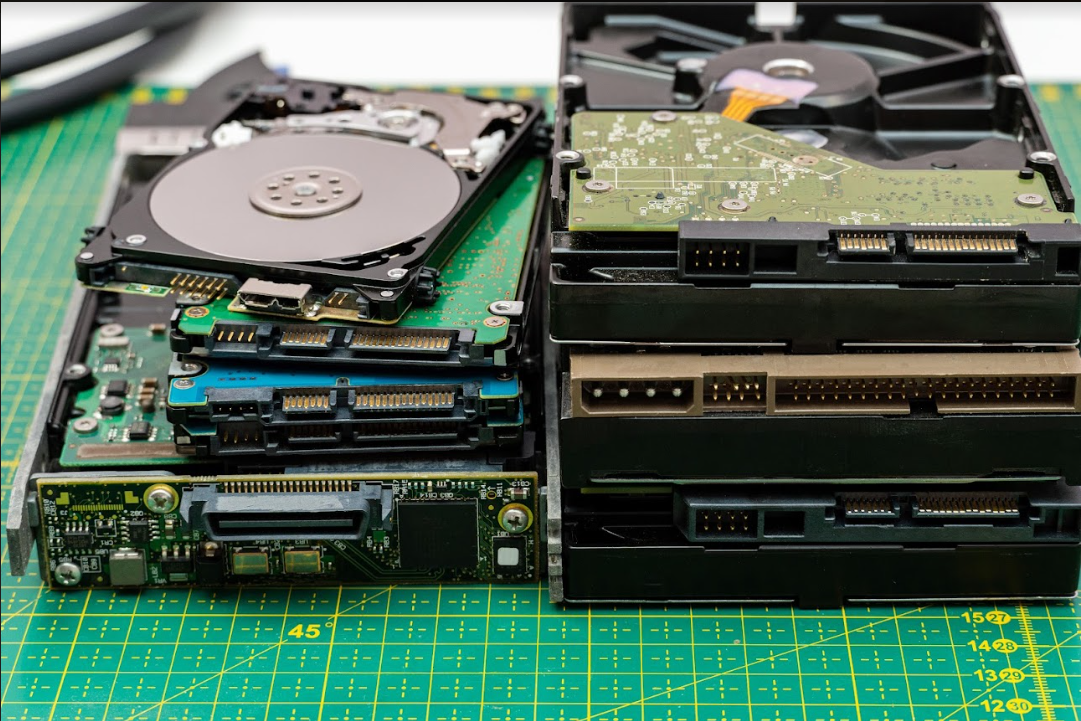
Associated Chambers of Commerce and Industry of India (ASSOCHAM) highlights that over 70% of India's e-waste comprises computer components and laptops. Beyond the IT and telecommunications sector, the consumer electronics industry also contributes significantly to the volume of waste, including items like smartphones, televisions, and other electronic devices. The country emphasizes developing technologically advanced recycling methods to assist authorities in effectively managing large quantities of waste. One of the major challenges in the Indian e-waste management landscape is the proliferation of unorganized and unregulated market players. The Central Pollution Control Board (CPCB) underscores the environmental impact of e-waste when exposed to heat, as it releases toxic chemicals into the air, polluting the atmosphere, groundwater, and other environmental components.
IT Boom, Rising Informal Sector, and New Recycling Startups to Flourish Market Growth
Over the past decade, the fields of information technology, telecommunications, and outsourcing have experienced significant growth, and this expansion is expected to accelerate further shortly. Consequently, electronic devices like computer systems and laptops accumulate as electronic waste (e-waste), posing environmental threats. Most of this waste, exceeding 70%, originates from public and private sectors, with additional contributions from retailers and manufacturers. E-waste from the unorganized sector comprises components like cathode ray tubes, printed circuit boards, chips, and gold-plated circuits. As the modern population continually upgrades their electronic devices, including smartphones and computers, due to the influx of new technology into the market, there is a growing need for improved e-waste management. Encouraging responsible disposal of e-waste is essential. Managing e-waste stands out as one of the most effective and advanced methods for disposal, as it not only safeguards the environment but also promotes reusability. Consequently, startups like Cashify have emerged, specializing in reselling refurbished electronic devices. Other brands are also contributing to the circular integration of the electronics supply chain by collecting Electrical & Electronic Equipment (EEE).
Recycling Companies Prioritize Metals for High Recovery Rates and Sustainability
In terms of material type, the metal category is anticipated to maintain its momentum throughout the forecast period. This growth is primarily attributed to metals having a substantial presence in electronics and telecommunications devices. Moreover, metals are highly regarded for their excellent conductivity, which is vital for ensuring the optimal functioning of these devices. A wide array of metals, such as copper, silver, gold, zinc, palladium, and steel, are involved in this context. However, it's worth noting that copper and steel are found in larger quantities within these electronic devices.
Recycling companies are placing greater emphasis on metals since a significant portion of the circuitry and the device bodies are composed of metals, resulting in a high recovery rate. The recycling of metals not only aligns with sustainability goals but also proves to be economically advantageous, offering cost-effective solutions. In addition to metals, chemicals are also extracted as part of the recycling process.
Rising E-Waste Challenges Prompt Segmentation and Regulatory Focus in India
The e-waste market is divided into segments based on the source of electronic waste, encompassing household appliances, consumer electronics, IT & telecommunication, and other sources. The demand for electronic devices in both the private and public sectors propels growth within the IT and telecommunication segment. Major metropolitan centers such as Delhi, Mumbai, Hyderabad, and Bangalore generate significant quantities of e-waste, primarily due to the extensive presence of IT and corporate establishments.
In addition to organized sectors, this segment has unregulated components. Recycling companies are establishing partnerships with IT businesses to improve e-waste disposal rates. Concurrently, the government is actively formulating more stringent regulations for e-waste management, emphasizing environmental responsibility and the welfare of individuals engaged in e-waste handling. These efforts aim to create a sustainable and secure framework for managing electronic waste, addressing the challenges posed by the surge in electronic consumption and the consequences for the environment and public health.
Stringent Government Environment Policies and Recycling Norms to Garner Market Expansion
The escalating pollution levels are having a direct and adverse impact on both the environment and human health. Virtually every sector has embraced digitalization and the use of electronic devices to enhance productivity, yet this has given rise to the predicament of electronic waste, or e-waste. India, ranked as the third-largest e-waste producer globally, is addressing this issue through regulations, public-private partnerships (PPP), and policy formulation.
While India implemented its e-waste management rules on October 1, 2016, the Ministry of Electronics and Information Technology (MeitY) has devised comprehensive programs. These rules encompass more than 21 products and emphasize authorization and product stewardship. This entails the collection of electronic devices from users, erasing personal data, and subsequently processing and recycling these devices. The government has also established an auditable database and geographical clusters to promote the repair and longevity of electronic products. Moreover, the government has introduced formalized e-waste collection, e-waste tax credits for manufacturers, and e-waste ATMs as additional strategies to address the e-waste issue. E-waste ATMs serve as platforms displaying educational information about the perils of e-waste and offering practical solutions to raise awareness among the public.
Impact of COVID-19
The COVID-19 has reduced waste due to the lockdowns, IT and telecommunication business shutdown, and economic breakdown. As the public and private sectors were frozen, the upgrade and IT development also slowed. The restricted research and development procedure and lower electronic and electric equipment consumption led to a reduction of 4.9 million metric tonnes of global e-waste generation. In India, the pandemic damaged organized as well as unorganized sectors, breaking the backbone of economy. Recycle facilities also stopped working due to surging labor cost. Furthermore, the framework establishment, e-waste collection, and its treatment has been disrupted during the pandemic, limiting the market expansion.
Report Scope:
“India E-Waste Management Market Assessment, Opportunities and Forecast, FY2017-FY2031F”, is a comprehensive report by Markets and Data, providing in-depth analysis and qualitative and quantitative assessment of the current state of the India e-waste management market globally, industry dynamics and challenges. The report includes market size, segmental shares, growth trends, impact of COVID-19, opportunities and forecast between FY2024 and FY2031. Additionally, the report profiles the leading players in the industry mentioning their respective market share, business model, competitive intelligence, etc.
Click Here:https://www.marketsandata.com/industry-reports/india-e-waste-management-market
About Us:
Markets and Data provides a comprehensive/ panoramic understanding of markets at global, regional, and country levels. Examine changing consumer preferences, emerging challenges, underlying trends, and growth prospects to accelerate your business strategies.
Contact
Mr. Vivek Gupta
5741 Cleveland street,
Suite 120, VA beach, VA, USA 23462
Tel: +1 (757) 343-3258
Email: info@marketsandata.com
Website: https://www.marketsandata.com