


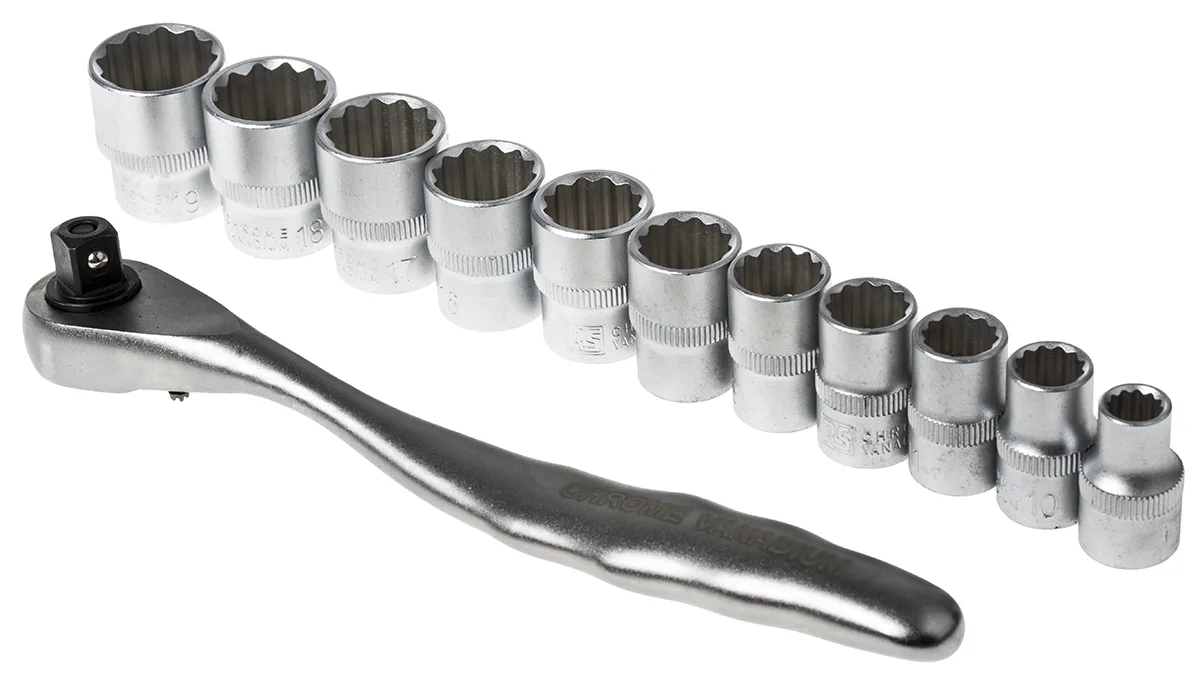
Socket wrenches are indispensable tools in both professional and DIY toolkits, offering unparalleled precision and efficiency in a variety of tasks. Whether you're tightening a bolt on your vehicle's engine or assembling furniture, understanding the nuances of socket wrenches, including torque wrenches and impact sockets, can significantly enhance your work. This comprehensive guide delves into everything you need to know about socket wrenches.
Understanding Socket Wrenches: A Comprehensive Overview
Socket wrenches are versatile tools designed to tighten and loosen nuts and bolts more efficiently than standard wrenches. They consist of a ratchet mechanism which allows the wrench to turn a fastener in one direction while moving freely in the opposite direction. This feature makes them incredibly efficient for working in tight spaces where a whole wrench turn isn’t possible.
Key Components:
- Handle: Provides leverage.
- Ratchet Mechanism: Allows the socket to turn without removing and repositioning the tool.
- Socket: Fits over the nut or bolt head.
Types of Socket Wrenches: Which One Do You Need?
When it comes to socket wrenches, there are several types, each designed for specific applications:
Standard Socket Wrenches
- Most common type used for general maintenance.
- Available in a variety of sizes and drive sizes such as 1/4", 3/8", and 1/2".
Torque Wrenches
- Essential for precision work where specific torque is required.
- Prevents over-tightening, which can damage parts.
- Commonly used in the automotive and aerospace industries.
Impact Sockets
- Used with powered impact wrenches.
- Made from tougher materials to withstand high torque levels.
- Ideal for heavy-duty jobs like automotive repair or construction.
Choosing the Right Socket Wrench
Selecting the correct socket wrench depends on the job at hand. Here are some tips:
- Assess the Task: Determine if you need a standard, torque, or impact wrench.
- Consider the Fastener Size: Choose sockets that match the size of the fasteners you’ll be working with.
- Material Quality: Opt for high-quality, durable wrenches that can handle the torque without slipping or breaking.
Applications of Socket Wrenches in Various Industries
Socket wrenches are widely used across different industries due to their efficiency and versatility:
- Automotive: Installing and removing lug nuts, engine parts, and more.
- Manufacturing: Machinery assembly and maintenance.
- Construction: Building frameworks and installations.
- Home Improvement: Furniture assembly and home repairs.
Special Mention: Torque Wrenches and Impact Sockets
Torque wrenches and impact sockets are critical in scenarios where precision and durability are paramount. They are particularly valued in:
- Automotive: Ensuring wheels are securely fastened without damaging the wheel or the stud.
- Aerospace: Maintaining critical bolted joints in aircraft, ensuring safety and reliability.
- Engineering: Ensuring the integrity of bolted joints in bridges and structures.
Maintenance Tips for Longevity
To ensure your socket wrenches last long and perform well, regular maintenance is essential:
- Regular Cleaning: Wipe your wrenches after every use to prevent dirt buildup.
- Lubrication: Periodically lubricate the ratchet mechanism to ensure smooth operation.
- Proper Storage: Store your wrenches in a dry place to prevent rust and corrosion.
Conclusion: Why Socket Wrenches Are a Must-Have
Socket wrenches are more than just tools; they are investments in efficiency and precision. Whether you are a professional mechanic, an avid DIYer, or someone who occasionally assembles furniture at home, having the correct socket wrench can make a significant difference in your work. By understanding the different types of socket wrenches, such as torque wrenches and impact sockets, and maintaining them properly, you can ensure that your projects are completed with the highest standards of quality and safety.
In summary, socket wrenches are essential tools that enhance productivity and ensure high-quality results in various mechanical and assembly tasks. They represent a blend of traditional tool function and modern technology, making them indispensable in both professional and home settings.
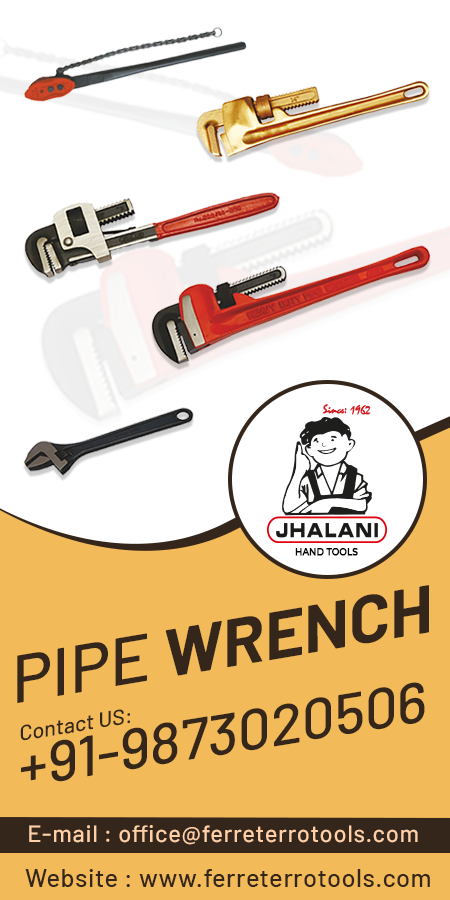
Wrenches tools is a durable and long-lasting hand tool designed to loyally assist you in all your mechanical endeavours.
It is a multitasker tool performing multiple tasks like fixing leaking pipes and handling troublesome bolts with ease.
We at Ferreterro Tools LLP understand its importance for customers.
Wrench is a tool that performs multiple tasks for its owner.
Whether it is fixing leaking pipes or handling the troubling bolts, it performs all its duties excellently.
Its design makes it easy for the user to grip and fix things.For more details on our hand tools and for ensuring you get the best hand tools at unmatchable prices and services for yourself, please visit Ferreterro Tools or call us on +91-9873020506 today and secure the best-quality hand tools on unbeatable prices for yourself, today!!
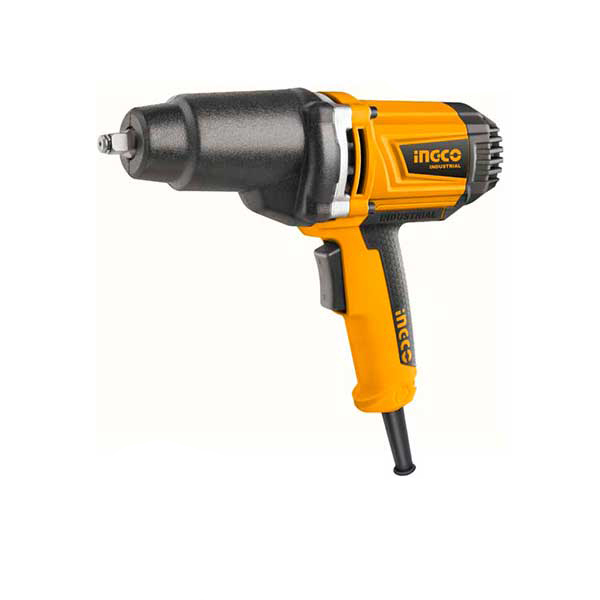
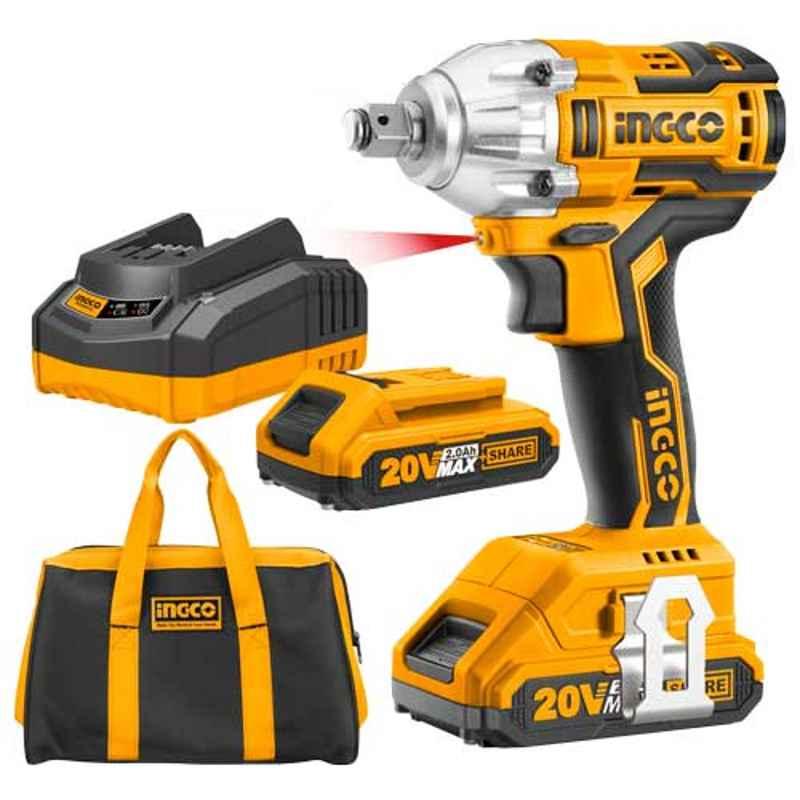
Get the top brand cordless impact wrenches more tools online at low prices.
Buy directly from manufacturers, wholesalers and suppliers.