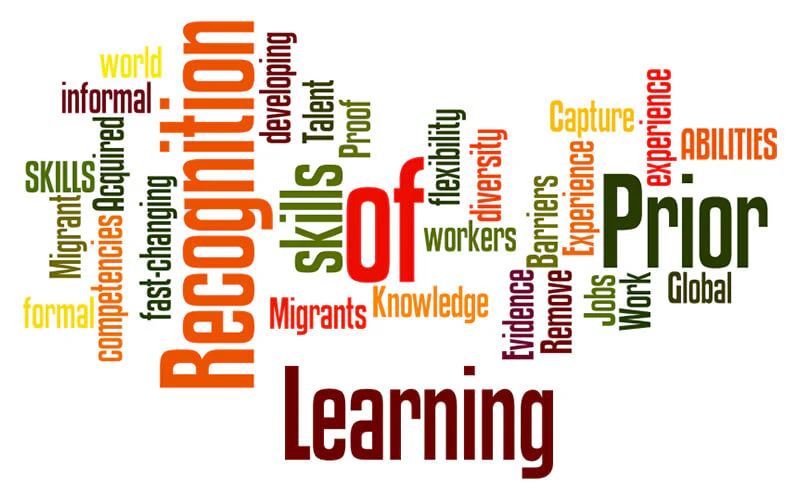
Recognition of Prior Learning (RPL) has become a transformative force in modern education systems, especially in the context of promoting lifelong learning. In a world where knowledge and skills can be acquired through various means formal, informal, or experiential traditional education pathways alone are no longer sufficient to reflect the full scope of an individual's abilities. Recognition of Prior Learning acknowledges these diverse experiences and ensures that individuals are not required to relearn what they already know. This approach empowers learners to continue their educational journey more efficiently and with greater motivation.
Validation of Real-World Experience
Recognition of Prior Learning enables individuals to translate their practical, real-world experience into formally recognized qualifications. This is especially relevant in industries where on-the-job learning plays a significant role in skill development. By validating this experience, RPL not only saves time but also boosts confidence, as individuals realize their expertise is valued and credible in both academic and professional settings.
Encouraging Lifelong Learning Culture
The philosophy of lifelong learning emphasizes continuous personal and professional development. Recognition of Prior Learning supports this by making education more inclusive and flexible. It allows learners to build on their existing knowledge base without starting from scratch, encouraging them to pursue further qualifications and keep evolving with the changing demands of the job market.
Bridging the Gap Between Formal and Informal Learning
Many individuals acquire skills outside of traditional academic environments, whether through work, volunteering, or self-study. RPL serves as a bridge between informal and formal learning systems. By providing formal recognition for informal experiences, it removes the stigma that formal education is the only legitimate pathway to success and opens the door for a broader range of learners to access further education.
Improving Access and Equity
Recognition of Prior Learning contributes to a more equitable education system by offering pathways to those who may not have had access to formal education. It is particularly beneficial for adult learners, migrants, and those re-entering the workforce. By assessing what individuals already know, regardless of how or where they learned it, RPL helps remove educational barriers and provides opportunities for advancement that might otherwise be unavailable.
Boosting Motivation and Retention
When learners see their prior knowledge and skills acknowledged, they are more likely to feel motivated to continue their education. Recognition of Prior Learning gives credit where it is due, which can lead to higher retention rates in educational programs. Learners feel seen and respected, and this validation fosters a positive learning environment that encourages persistence and achievement.
Adapting to a Changing Workforce
In today's rapidly evolving job market, skills can quickly become outdated, and new competencies are constantly required. Recognition of Prior Learning supports workforce agility by enabling individuals to upskill or reskill efficiently. Employers also benefit, as they can identify skilled workers more easily and invest in targeted training rather than redundant instruction.
Fostering Personal Empowerment
RPL has a profound impact on personal development. When individuals are recognized for what they already know and can do, it instills a sense of pride and self-worth. This empowerment leads to greater confidence in pursuing new goals, whether academic, professional, or personal. Recognition of Prior Learning affirms that learning is a continuous journey and that every step, regardless of where it occurs is valuable.
Conclusion
Recognition of Prior Learning is not just a mechanism for credit transfer; it is a vital component of a responsive, inclusive, and dynamic education system. By valuing all forms of learning, it enhances the accessibility and relevance of lifelong education. In an era where adaptability and continual growth are essential, RPL stands as a crucial tool in helping individuals unlock their full potential and contribute meaningfully to society.



According to the Australian Government Department of Education, Skills, and Employment, recognition of Prior Learning, or RPL, is a recognition of a student's existing knowledge and abilities earned through prior training or life or work experience.
The RPL helps to streamline the international immigration and visa application procedure.If you're considering getting an RPL, you might want to read this.
Such people if wish to advance their careers by obtaining qualifications that will enable them to obtain better, recognition of prior learning might provide such people with an immediate boost.Promote learning outside a formal settingOne of the advantages of RPL is that it recognizes the value of learning outside of a formal context.
If you've worked in the engineering sector, for example, you've learned a lot on the job.
These could cover things like building ductwork in a home or fixing faulty switches, etc.
You have these talents, and RPL helps you demonstrate them to your future employer.Eliminates RedundancyThe RPL eliminates redundancy, excessive repetition, and duplication of content that the students are already familiar with.