


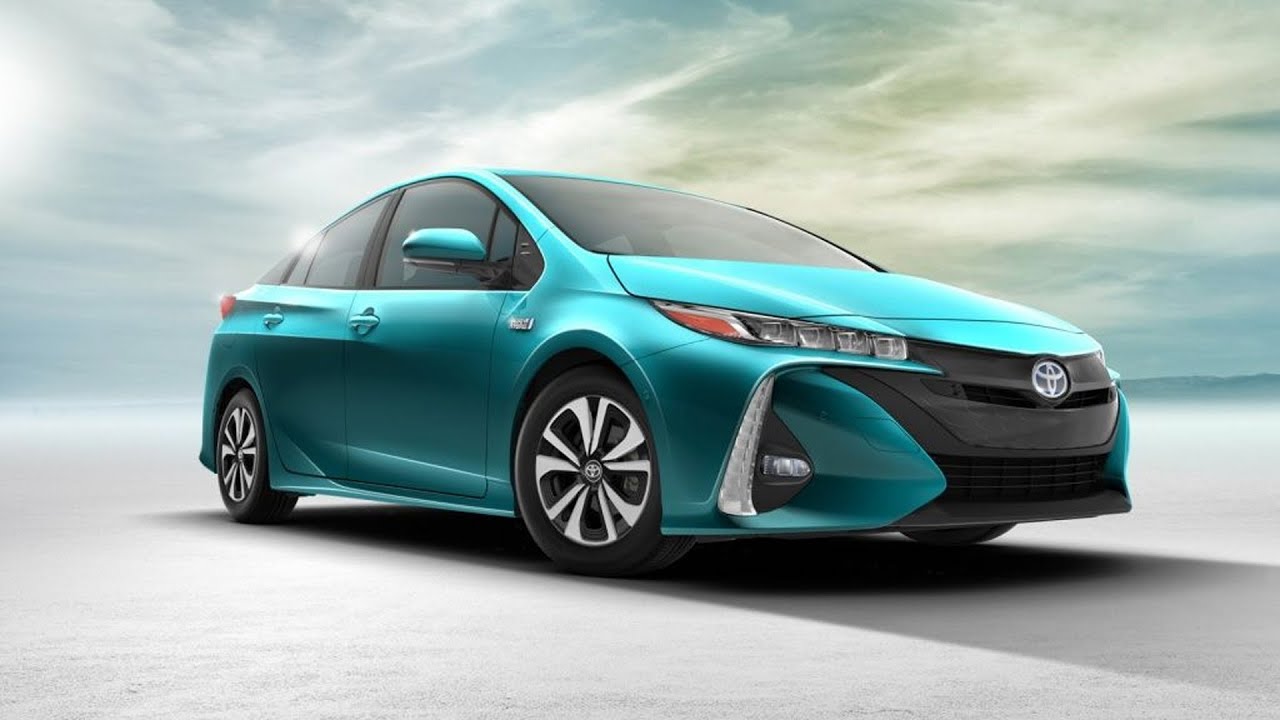
In recent years, the automotive landscape has seen a significant shift in consumer preferences, and hybrid cars are at the forefront of this transformation. With growing awareness about environmental issues, rising fuel costs, and advancements in automotive technology, hybrid vehicles are becoming increasingly popular among consumers worldwide. This article explores the key reasons why hybrid cars are gaining popularity today.
1. Environmental Awareness and the Push for Sustainability
One of the most compelling reasons behind the rising popularity of hybrid cars is the growing concern for the environment. Climate change, air pollution, and the depletion of natural resources have sparked a global movement toward sustainable living. Hybrid cars, which combine an internal combustion engine with an electric motor, produce fewer emissions compared to traditional gasoline-powered vehicles.
Governments and environmental organizations around the world have been promoting the adoption of cleaner transportation options. By driving a hybrid vehicle, consumers feel that they are contributing positively to reducing their carbon footprint, and this sense of environmental responsibility is fueling the demand.
2. Fuel Efficiency and Cost Savings
Another major benefit of hybrid vehicles is their superior fuel efficiency. Because hybrid cars can operate on both gasoline and electricity, they consume less fuel per mile, especially in city driving where the electric motor is more active. This leads to significant cost savings on fuel over time.
As fuel prices fluctuate and often trend upward, many consumers see hybrid cars as a smart financial investment. Although hybrids may have a slightly higher upfront cost, the savings in fuel and potential tax incentives often make them more economical in the long run.
3. Advancements in Hybrid Technology
The technology behind hybrid vehicles has advanced tremendously over the past decade. Early models were sometimes criticized for being underpowered or lacking in performance, but today's hybrids offer power, speed, and smooth handling comparable to their conventional counterparts.
Modern hybrid vehicles also come with regenerative braking systems, improved battery life, and more efficient energy management systems. These technological improvements have eliminated many of the drawbacks previously associated with hybrid driving, making them more appealing to a broader audience.
4. Government Incentives and Policy Support
Governments across the globe are implementing policies to support the adoption of environmentally friendly vehicles. These include tax credits, reduced registration fees, access to carpool lanes, and exemptions from congestion charges in urban areas.
In some countries, hybrid car owners also enjoy preferential parking or charging station availability. Such incentives lower the effective cost of owning a hybrid vehicle and encourage more people to make the switch.
5. Expanding Range of Options and Stylish Designs
Initially, the hybrid car market was limited to a few models, often perceived as utilitarian and lacking in visual appeal. However, today’s auto manufacturers offer a wide range of hybrid vehicles in various styles — from compact hatchbacks and sleek sedans to SUVs and luxury vehicles.
Automakers like Toyota, Honda, Ford, Hyundai, and even high-end brands like Lexus and BMW have invested heavily in hybrid technology, offering models that cater to every segment of the market. This diversity means consumers no longer have to sacrifice style or performance to drive a hybrid.
6. Growing Urbanization and the Need for Efficiency
As more people move into urban areas, traffic congestion and commuting times are on the rise. Hybrid cars are particularly well-suited for city driving due to their ability to switch to electric-only mode at low speeds and during stop-and-go traffic, significantly increasing fuel economy.
In highly urbanized areas, hybrid vehicles help drivers save money, reduce emissions, and navigate traffic more efficiently, making them a practical choice for city dwellers.
7. Increasing Resale Value and Market Demand
Unlike in the past, when hybrid vehicles were considered niche products with uncertain resale values, the current demand for fuel-efficient and eco-friendly cars has led to higher resale values for hybrids. As consumer awareness and market penetration increase, hybrids are seen as reliable, future-proof options that retain value well over time.
Buyers in the used car market are now more open to purchasing hybrids, knowing that they are getting a vehicle that is both economical and environmentally friendly.
8. Bridging the Gap to Full Electrification
While fully electric vehicles (EVs) are the ultimate goal for many sustainability advocates, the infrastructure and range limitations of EVs still pose challenges for widespread adoption. Hybrid cars offer a practical middle ground.
They allow consumers to experience the benefits of electric driving without the "range anxiety" often associated with EVs. For those not yet ready to transition fully to electric vehicles, hybrids serve as a transitional solution that is both functional and accessible.
Conclusion
The rise in hybrid car popularity is not just a passing trend — it's a reflection of a larger societal shift toward sustainability, efficiency, and innovation. As technology continues to improve and global awareness of environmental issues grows, hybrid vehicles are poised to remain a key part of the automotive future. With their blend of fuel economy, performance, and eco-conscious design, it's no surprise that more and more drivers are choosing hybrid cars today.

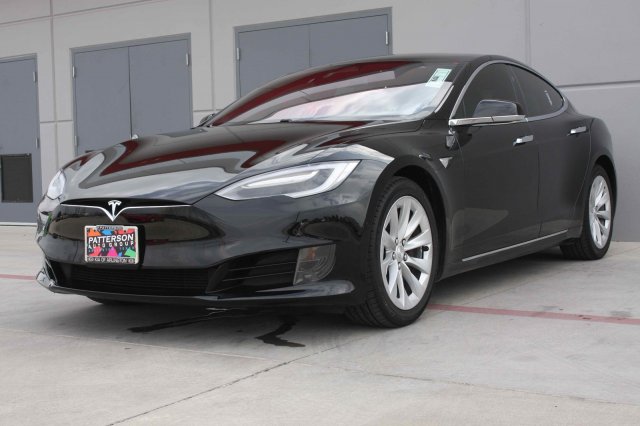
Most reliable used electric cars under 5000 for sale on Usedcarsnearme.com.
Best Used Electric and hybrid cars for sale under $10,000 for 2019.
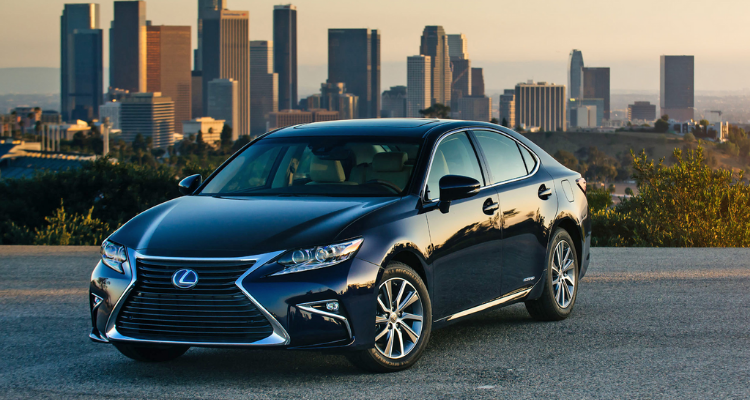
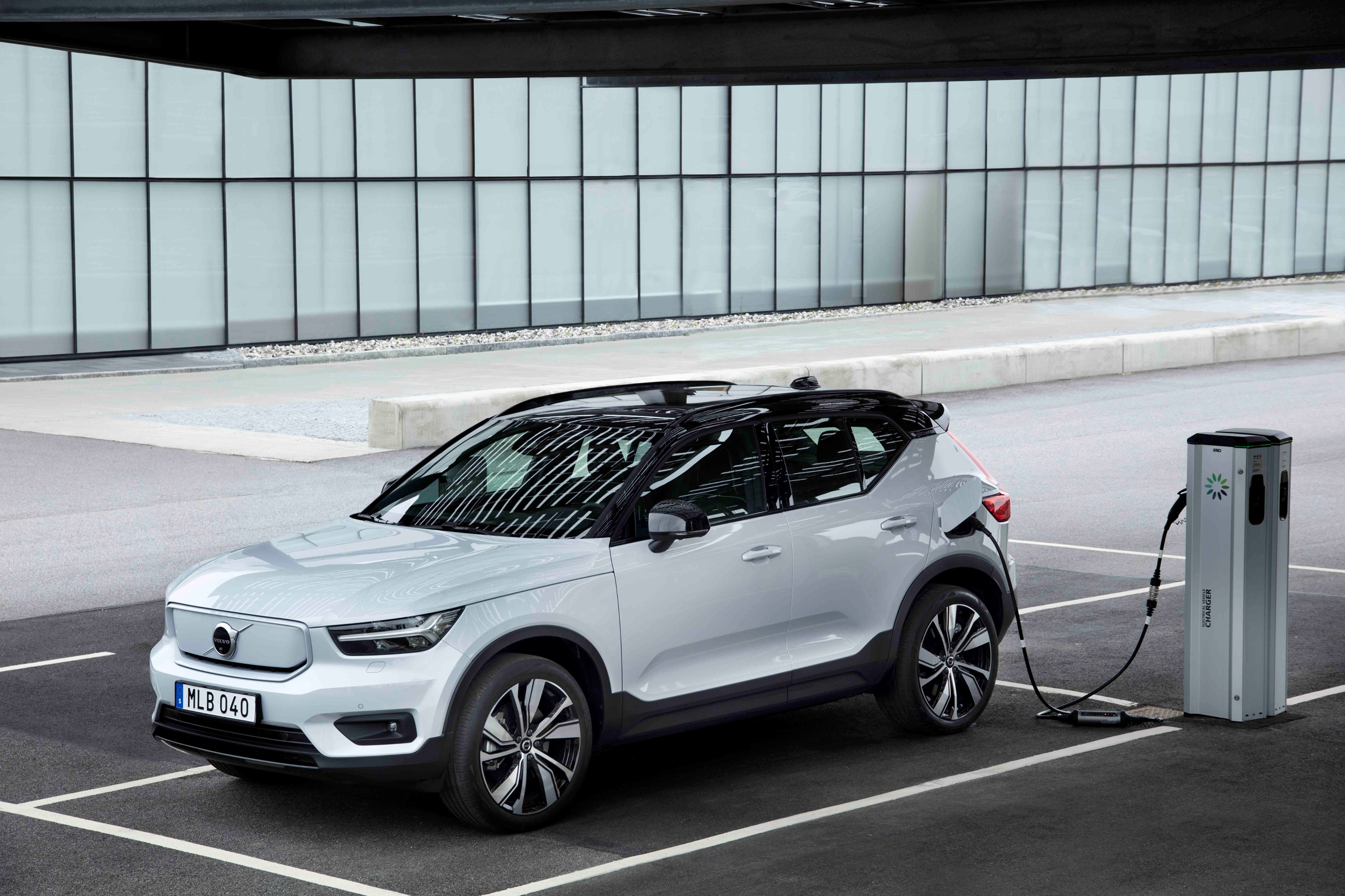
What is a Hybrid Car?With more and more people looking for an eco-friendly means of commuting, the popularity of alternative-fuel vehicles has soared in the USA.
With the automotive industry under pressure to electrify or hybridize its vehicles, this market has also become significantly more accessible.Read more - Everything You Need to Know About Hybrid Cars