


Understanding the Importance of an Information Security Audit in Today's Digital Landscape
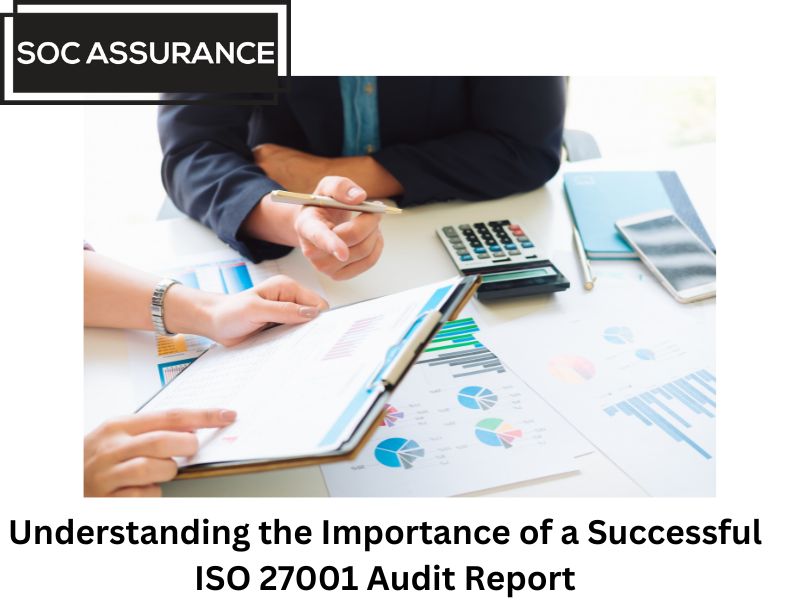
In an era where digital transformation is at the forefront of organizational strategies, safeguarding information assets has never been more critical. An information security audit acts as an essential mechanism to evaluate the effectiveness of an organization's security infrastructure. This audit involves a meticulous examination of the security policies, procedures, and controls that are designed to shield sensitive information from unauthorized access, disclosure, or destruction.
Regularly conducting information security audits empowers organizations to pinpoint vulnerabilities and areas that require enhancement. This proactive approach ensures that the information security management systems (ISMS) are not only robust but also compliant with global standards. By addressing security risks head-on, organizations can protect their assets, uphold customer trust, and adhere to legal and regulatory mandates.
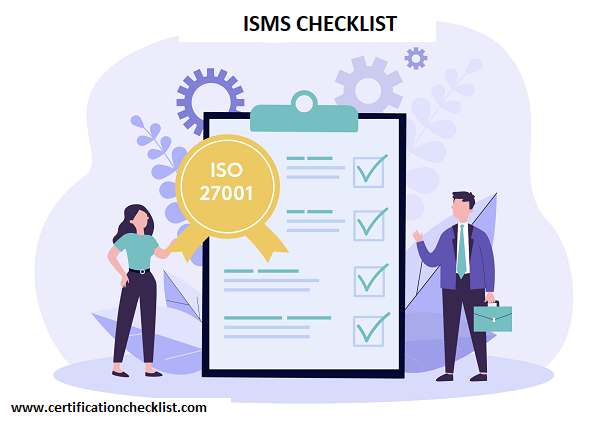
Crafting a Comprehensive ISO 27001 Audit Checklist for Success
The ISO 27001 standard offers a detailed framework for establishing, implementing, maintaining, and continually improving an ISMS. To excel in an ISO 27001 audit, organizations must develop a thorough checklist that encompasses all facets of the standard's requirements. Here are some pivotal elements to integrate into your ISO 27001 audit checklist:
- Scope of the ISMS: Clearly delineate the boundaries and applicability of the ISMS within the organization to ensure focused and relevant security measures.
- Risk Assessment and Treatment: Execute a comprehensive risk assessment to discern potential threats and vulnerabilities. Subsequently, formulate a risk treatment plan to mitigate identified risks effectively.
- Information Security Policy: Develop and disseminate an information security policy that aligns seamlessly with the organization's objectives and regulatory obligations.
- Asset Management: Maintain a detailed inventory of information assets and implement robust measures to shield them from unauthorized access or loss.
- Access Control: Enforce stringent access control measures to ensure that only authorized personnel can access sensitive information.
- Incident Management: Establish and implement protocols for the detection, reporting, and response to information security incidents.
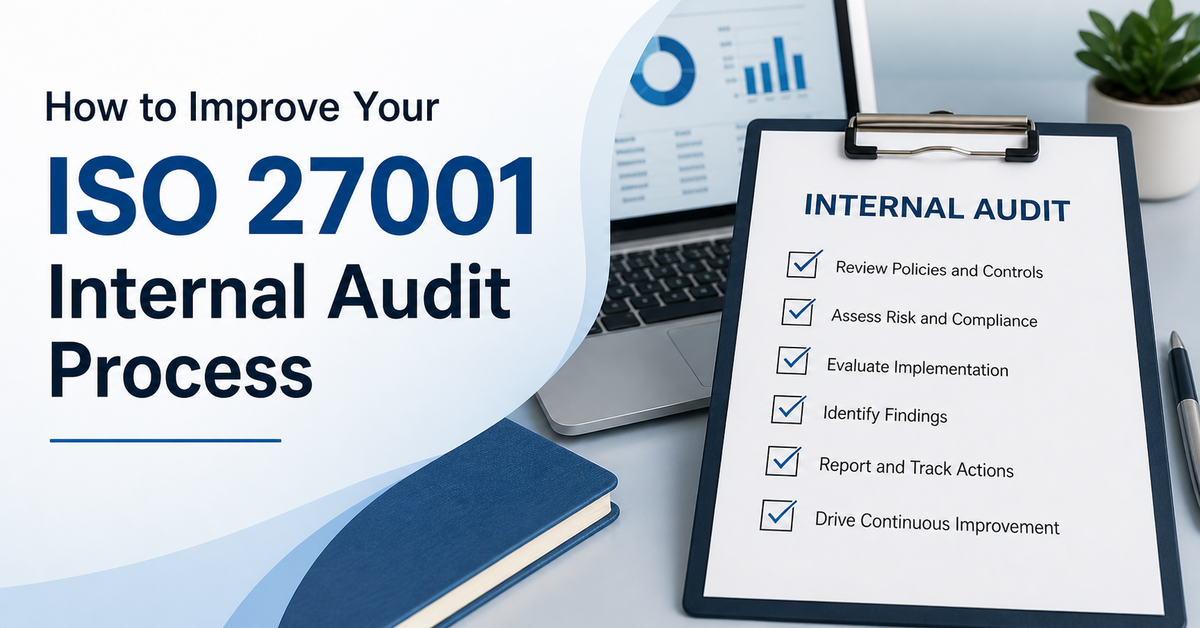
- Internal Audit: Conduct regular internal audits to evaluate the ISMS's effectiveness and identify opportunities for improvement.
- Management Review: Periodically conduct management reviews to assess the ISMS's performance and ensure its ongoing suitability and effectiveness.
Navigating the ISO 27001 Audit Process with Confidence and Precision
The ISO 27001 audit process can be intimidating, particularly for organizations undergoing their inaugural certification audit. However, with meticulous planning and preparation, organizations can navigate the audit process with assurance. Here are some critical steps to consider:
Preparation: Initiate the process by reviewing the ISO 27001 standard and comprehending its requirements. Conduct a gap analysis to identify areas where your organization's ISMS may fall short of the standard's requirements. Develop an action plan to address these gaps and ensure that all requisite documentation is in place.
Internal Audit: Prior to the external audit, conduct an internal audit to evaluate your ISMS's effectiveness. This step will help identify any areas of non-conformity and provide an opportunity to rectify them before the external audit.
Engage with Auditors: Foster open communication with the external auditors and furnish them with the necessary documentation and evidence to demonstrate compliance with the ISO 27001 standard. Be prepared to answer questions and provide additional information as required.
Continuous Improvement: Leverage the audit findings to drive continuous improvement within your ISMS. Address any non-conformities and implement corrective actions to enhance your information security measures' effectiveness.
Meeting ISO 27001 Audit Requirements: A Strategic and Collaborative Approach
Meeting the requirements of an ISO 27001 audit necessitates a strategic approach that involves collaboration across the organization. Here are some key strategies to consider:
Leadership Commitment: Ensure that top management is committed to the ISMS's implementation and maintenance. Their support is vital for allocating the necessary resources and fostering a culture of information security within the organization.
Employee Awareness and Training: Cultivate awareness among employees regarding the significance of information security and provide training on security policies and procedures. Encourage a culture of security awareness and responsibility.
Documentation and Record Keeping: Maintain comprehensive documentation of your ISMS, including policies, procedures, risk assessments, and audit reports. Ensure that records are accurate, up-to-date, and easily accessible for audit purposes.
Supplier and Third-Party Management: Evaluate the security practices of suppliers and third-party service providers to ensure alignment with your organization's information security requirements.
Monitoring and Review: Regularly monitor and review your ISMS's performance to identify areas for improvement. Conduct periodic reviews of security policies and procedures to ensure their continued relevance and effectiveness.
Harnessing the Power of Technology in ISO 27001 Audits for Enhanced Efficiency
Incorporating technology into the ISO 27001 audit process can significantly enhance efficiency and effectiveness. Utilize software tools for risk assessment, document management, and audit tracking. Automation can streamline processes, reduce human error, and provide real-time insights into your ISMS performance.
Implementing security information and event management (SIEM) systems can also aid in monitoring and responding to security incidents. By leveraging technology, organizations can ensure a more robust and responsive information security framework.
Conclusion: Achieving Excellence in ISO 27001 Audits through Strategic Planning and Continuous Improvement
Mastering the ISO 27001 audit process requires a strategic approach, a commitment to continuous improvement, and a focus on collaboration across the organization. By understanding the importance of information security audits, preparing a comprehensive audit checklist, and navigating the audit process with confidence, organizations can ensure compliance with international standards and enhance their information security posture.
With the right strategies and tools in place, organizations can meet ISO 27001 audit requirements and achieve excellence in information security management. By fostering a culture of security awareness and leveraging technology, organizations can protect their assets, maintain customer trust, and drive business success in an increasingly digital world.
In today’s digital environment, protecting sensitive information is no longer optional—it is a necessity. Organizations implementing ISO 27001 must ensure their Information Security Management Syst