

Outdoor shade sails are a practical and stylish addition to any space, offering protection from the sun and enhancing your outdoor living experience. To keep them in top condition, regular maintenance is key. This guide outlines five essential tips: selecting high-quality materials, cleaning properly, maintaining tension, protecting against extreme weather, and scheduling professional inspections. By following these steps, you’ll extend the lifespan of your shade sails, ensuring they remain durable and visually appealing for years.
Why Outdoor Shade Sails Are a Must-Have
Outdoor shade sails are more than just aesthetic enhancements—they’re vital for creating comfortable, usable spaces in Australia’s harsh climate. Designed to block harmful UV rays and provide shelter during light rain, they transform patios, gardens, and commercial areas into functional retreats. High-quality sails reduce temperatures by up to 15°C, according to studies by the Australian Building Codes Board, making them indispensable for outdoor comfort. Their versatility also adds value to properties; a well-maintained sail can boost curb appeal and create an inviting atmosphere for gatherings.
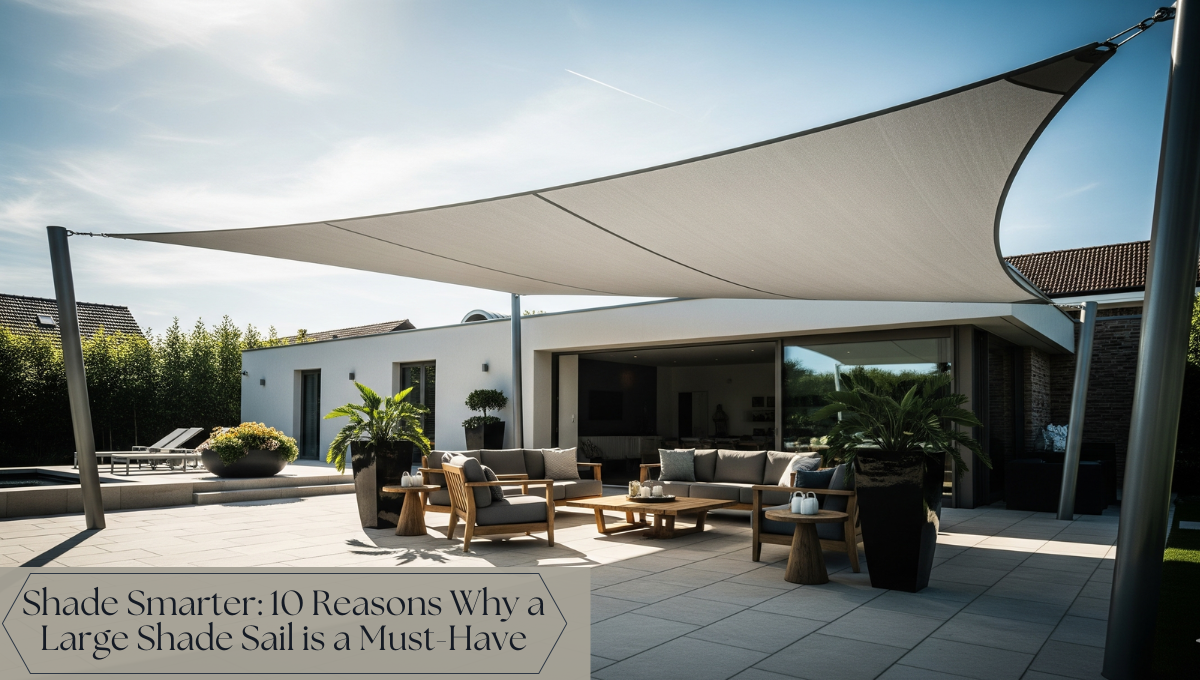
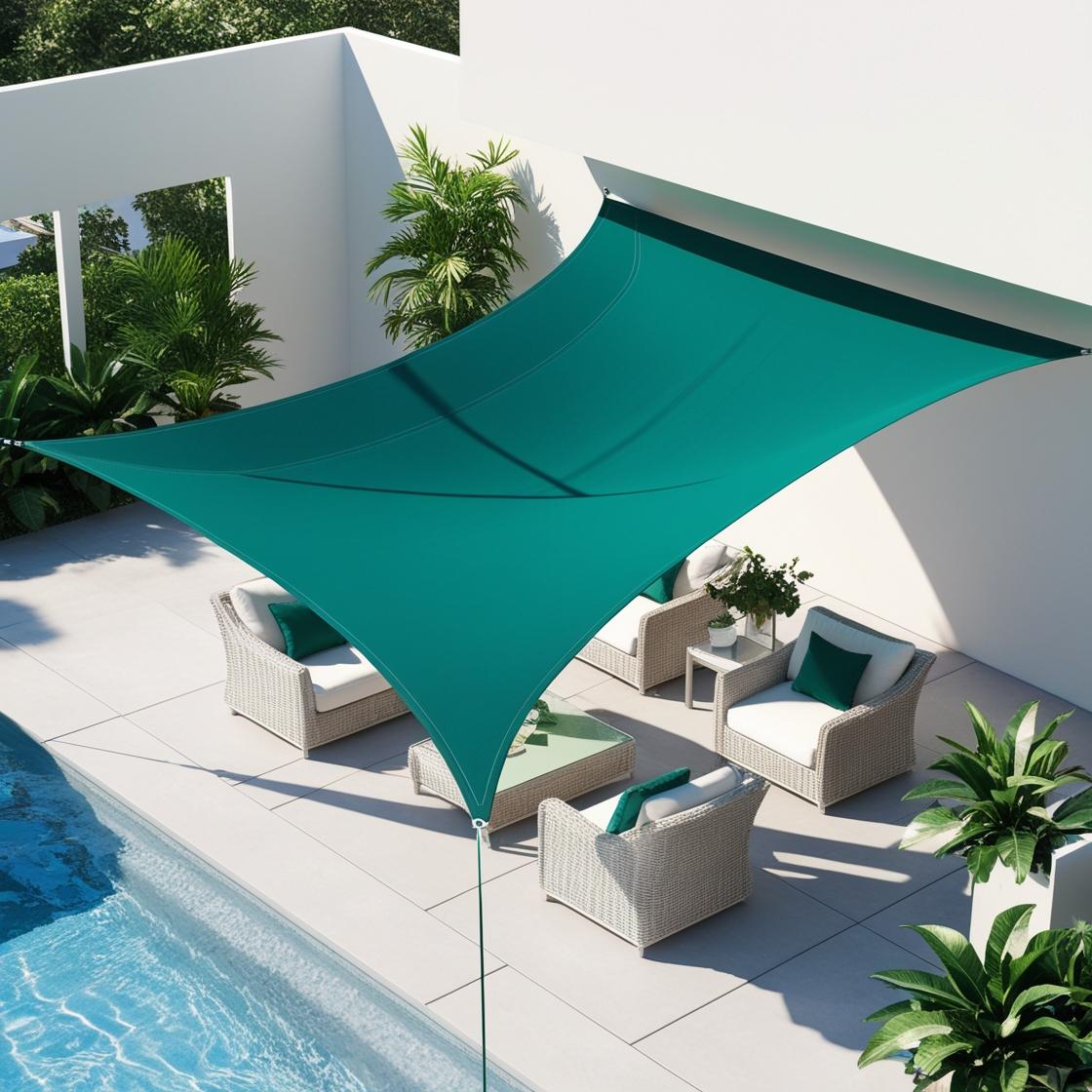
Installation is straightforward, requiring minimal structural changes compared to permanent roofing. By anchoring sails to sturdy posts, walls, or trees, you can create adaptable shade solutions that blend seamlessly with your landscape. For instance, triangular sails work well in compact corners, while rectangular designs cover larger dining or lounge areas.
The Fundamentals of Shade Sail Maintenance
Maintaining outdoor shade sails starts with understanding their construction. These sails endure constant exposure to UV radiation, wind, and debris, which can degrade materials over time. Regular inspections are critical—check for frayed edges, loose hardware, or discoloration monthly.
Material choice directly impacts maintenance needs. UV-stabilized polyethylene or PVC fabrics resist fading and tearing, while cheaper options may require frequent replacements. Always refer to manufacturer guidelines for cleaning and care. For example, Canvas Corp recommends gentle brushing and mild detergents to preserve fabric integrity.
Hardware, such as stainless steel turnbuckles and galvanized chains, must also be inspected. Salt air in coastal regions accelerates corrosion, so lubricate moving parts annually and replace rusted components promptly.
Tip 1: Choose Durable, Weather-Resistant Materials
Investing in high-quality materials ensures longevity. Look for fabrics with a minimum UV protection rating of 90% and a gram-per-square-meter (GSM) of 340 or higher for optimal durability. Brands like Coolaroo and Shadescape use knitted polyethylene, which combines breathability with strength, reducing sagging and wind resistance.
Color and Design Considerations Lighter shades like beige or cream reflect heat but may show stains, while darker hues like navy or charcoal absorb sunlight, offering deeper shade. For windy areas, perforated fabrics allow air flow, minimizing stress on anchor points.
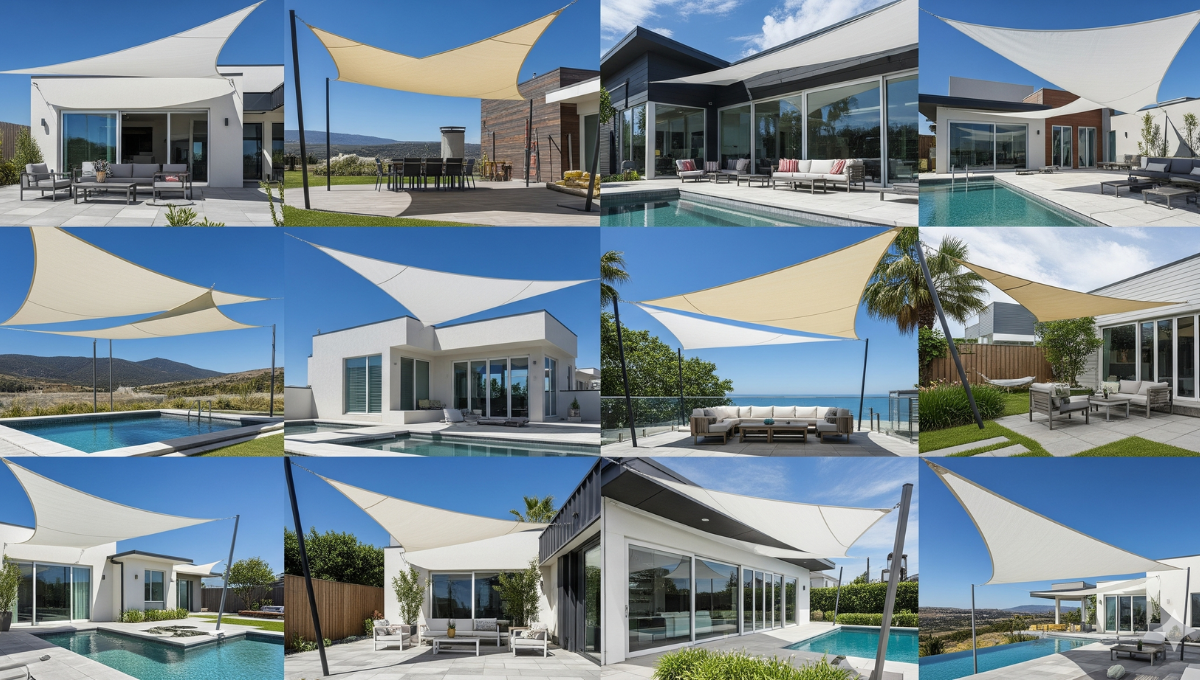
Sizing and Placement Measure your space accurately, factoring in a 10% allowance for tensioning. Position sails at a slight angle to encourage water runoff, and avoid placing them near sharp branches or abrasive surfaces. Layered installations can enhance coverage—for example, overlapping triangular sails create dynamic shade patterns perfect for pool areas.
Tip 2: Clean Regularly to Prevent Damage
Dirt, pollen, and bird droppings weaken fabric fibers and encourage mold. Clean sails every 3–4 months using these steps:
- Dry Brush Debris: Use a soft-bristle broom to remove loose dirt.
- Spot Clean Stains: Mix lukewarm water with a pH-neutral detergent. Gently scrub stains with a microfiber cloth.
- Rinse Thoroughly: Avoid high-pressure hoses, which can damage seams.
- Air Dry Completely: Ensure no moisture remains before reattaching.
For stubborn stains, specialized cleaners like 303 Multi-Surface Cleaner are safe for most fabrics. Never use bleach or abrasive tools, as these strip UV coatings.
Tip 3: Maintain Proper Tension
Consistent tension prevents sagging and prolongs fabric life. Check tension monthly by pressing on the sail’s center—it should have slight give but not droop. Adjust turnbuckles incrementally, tightening opposite corners alternately to distribute stress evenly.
Hardware ChecksInspect anchor points for rust or wear. Coastal homeowners should opt for marine-grade stainless steel hardware. If brackets loosen, reinforce them with concrete footings or cross-bracing.
Repairing Minor DamageSmall tears can be patched using sail repair tape or adhesive fabric. For larger rips, consult a professional to ensure structural integrity.
Tip 4: Protect Against Extreme Weather
While shade sails withstand most conditions, proactive measures prevent storm damage:
- Pre-Storm Prep: Lower sails or remove them entirely if cyclones are forecast.
- Trim Surrounding Trees: Remove overhanging branches that could fall during high winds.
- Winter Storage: In regions with heavy snowfall, store sails dry and rolled in a breathable bag to prevent mildew.
Tip 5: Schedule Professional Inspections
Annual inspections by certified installers catch hidden issues like weakened seams or subpar anchor points. Professionals use tension gauges to ensure even stress distribution and recommend reinforcements if needed. Costs vary, but a basic inspection typically ranges from 150–300—a worthwhile investment compared to replacement expenses.
FAQs
How long do shade sails last? With proper care, high-quality sails last 10–15 years. Lower-grade materials may deteriorate in 5–7 years.
Can they stay up year-round? Yes, but seasonal removal in extreme weather extends their lifespan.
Do they increase property value? Yes—functional outdoor spaces are a key selling point for 72% of Australian homebuyers (REA Group, 2023).
Conclusion
Maintaining outdoor shade sails requires diligence, but the rewards—durability, aesthetics, and comfort—are well worth the effort. By choosing robust materials, cleaning regularly, and addressing minor wear early, you’ll protect your investment and enjoy a shaded oasis for years. Remember, proactive care today prevents costly repairs tomorrow.