


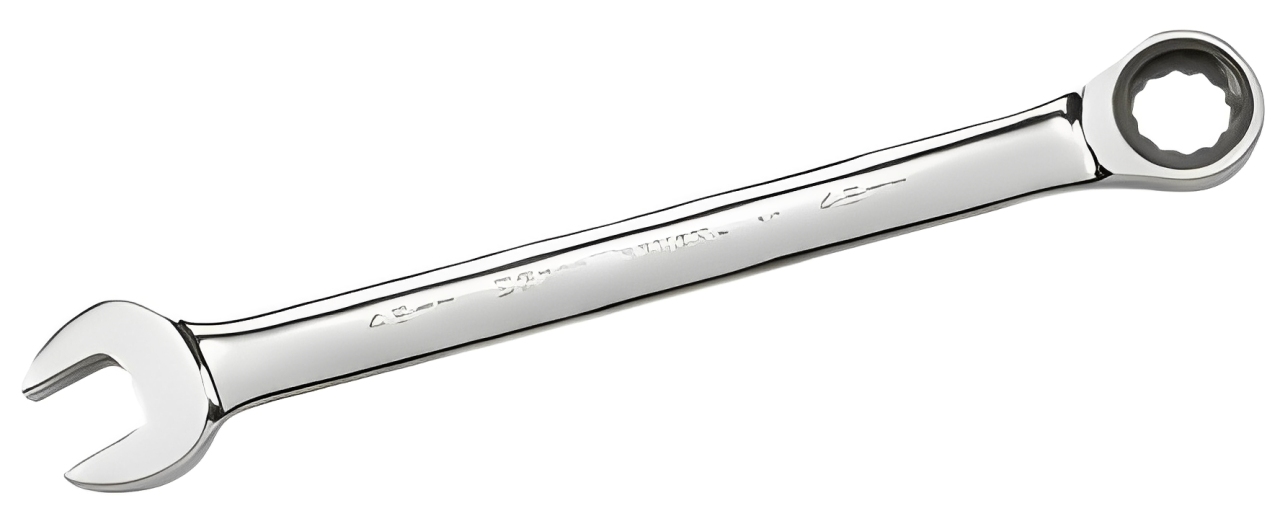
Introduction to Spanners: A Must-Have in Every Tool Box
Spanners, commonly referred to as wrenches in some parts of the world, are indispensable tools in both professional and DIY toolkits. They come in various shapes and sizes, each designed to perform specific functions that involve tightening, loosening, or securing nuts and bolts. In this article, we'll explore the importance of three popular types: C Spanners, Spanner Sets, and Hook Spanners.
Understanding Different Types of Spanners
C Spanners: Precision and Versatility
C Spanners, distinguished by their C-shaped profile, are designed for specific applications where precision is paramount. These spanners are commonly used to adjust collars, locknuts, and bearings, making them an essential tool for automotive and machinery maintenance. The slim profile allows them to fit into spaces where other tools cannot, providing both accessibility and torque.
Spanner Sets: Comprehensive Solutions for Every Need
Spanner Sets typically include a range of sizes to ensure that you have the right tool for any job. From minor repairs to major overhauls, having a complete set provides you with the tools to prepare for any task. These sets often come in both metric and imperial measurements and can include combination, open-end, and ring spanners, offering versatility and convenience to both professional mechanics and home enthusiasts.
Hook Spanners: Specialised Tools for Specific Tasks
Hook Spanners stand out with their unique shape, which is designed to handle tasks involving slotted round nuts. This specialised tool is crucial for industries that require precise adjustments, such as adjusting bearing tension or securing significant machinery components. The hook design provides a secure grip on the nut, reducing slippage and increasing safety during use.
Applications of Spanners: From Everyday Fixes to Industrial Use
Spanners are a staple not only in the automotive and manufacturing sectors but also in everyday home maintenance. Whether you're assembling furniture, working on a car, or making adjustments to home appliances, the right spanner can make the job easier and more efficient. Understanding when and how to use different types of spanners can significantly enhance your ability to handle a wide range of tasks.
Features and Benefits of High-Quality Spanners
Investing in high-quality spanners can make a significant difference in both performance and longevity. Features like chrome vanadium steel construction ensure strength and durability, while a polished finish helps prevent rust and allows for easy cleaning. Ergonomically designed handles and ratcheting mechanisms can also improve efficiency and reduce fatigue during prolonged use.
Choosing the Right Spanner for the Job
Selecting the correct spanner involves knowing the size and type of the nut or bolt you're working with. A well-fitting spanner reduces the risk of stripping the fastener or damaging the tool. Consider the following tips when choosing spanners:
- Measurement Accuracy: Ensure the spanner fits snugly around the fastener.
- Material Compatibility: Use non-sparking spanners in environments where flammable gases or dust are present.
- Type Specificity: Opt for a spanner type that best suits the task to increase efficiency and safety.
Care and Maintenance of Spanners
Store them in a dry environment to prevent rust, and organise them in a toolbox to avoid misplacing them. Cleaning them after each use will also preserve their functionality and appearance.
Conclusion: The Integral Role of Spanners in Effective Tool Management
Spanners are more than just tools; they are investments in your capability to perform tasks effectively and efficiently. Whether you're a professional mechanic or a DIY enthusiast, understanding and utilising different types of spanners, such as C Spanners, Spanner Sets, and Hook Spanners, can dramatically enhance your toolkit's functionality. Always choose quality and suitability to ensure that your toolkit can handle any challenge that comes your way.
Spanner is a multipurpose tool with multiple uses and benefits for users.
From ensuring the condition of pipes spread across large areas to inspecting the health of nuts and bolts installed in systems, spanner does it all!
And the absence of any other complex system required to operate it makes it eligible to be used and liked by all!
We at Ferreterro Tools LLP acknowledge its potential, and thus are introducing our own range of high-class spanners for you!
Spanner is a strong, reliable and long-lasting tool that helps you work efficiently with pipes and bolts.
It ensures that the pipes aren’t leaking and that the bolts are neither too tight nor too loose.
Spanner is an important hand tool you can hold in your mechanical hand tool kit.
A tool with numerous applications, this multipurpose tool is a lifeline for its user.
Whether it is repairing pipes or rectifying malfunctioning bolts, spanner does it all!
We at Ferreterro Tools LLP understand this, and thus have introduced our range of high-class spanners for users to use and cherish.
Spanner hand tool is a handy and simplified hand tool to possess in your hand tool kit.
It performs multiple tasks for its user.