

Refractive Lens Exchange: A Comprehensive Overview of Vision Transformation
Refractive lens exchange (RLE), also known as lens replacement surgery, is a sophisticated procedure designed to enhance vision by replacing the eye's natural lens with an artificial intraocular lens (IOL). This surgery is particularly advantageous for individuals with presbyopia or high refractive errors that cannot be effectively corrected with laser vision correction surgeries like LASIK or PRK. RLE closely resembles cataract surgery, and it is often recommended for patients who are not ideal candidates f...
The primary goal of refractive lens exchange is to reduce or eliminate the dependency on glasses or contact lenses. By substituting the eye's natural lens with an IOL, patients can achieve clearer vision and significantly enhance their overall quality of life. The procedure is typically performed on an outpatient basis, allowing patients to return home the same day, thus minimizing disruption to their daily routines.
RLE is not merely a corrective measure; it represents a life-changing opportunity for many individuals. The surgery not only addresses vision impairments but also contributes to a renewed sense of confidence and independence. With a successful RLE, patients often find themselves engaging more actively in various activities, from reading and driving to sports and social interactions, without the hindrance of corrective eyewear.
Furthermore, the advancements in RLE technology have broadened the spectrum of candidates who can benefit from the procedure. With the development of premium IOLs, patients can now choose lenses that cater to specific visual needs, whether it's improved distance vision, enhanced near vision, or correction of astigmatism. This personalized approach ensures that each patient receives the most suitable solution for their unique vision requirements.
Vision Correction Surgery: Exploring the Options for Optimal Visual Clarity
Vision correction surgery encompasses a diverse range of procedures aimed at improving visual acuity and reducing dependency on corrective eyewear. While refractive lens exchange is one prominent option, there are several other surgeries available that cater to different vision problems and patient needs, each offering unique benefits and considerations.
Laser-assisted in situ keratomileusis (LASIK) stands as one of the most popular vision correction surgeries. It involves reshaping the cornea to correct refractive errors such as myopia, hyperopia, and astigmatism. LASIK is renowned for its rapid recovery time and the ability to provide immediate improvement in vision, making it an attractive choice for many individuals seeking freedom from glasses or contact lenses.
Photorefractive keratectomy (PRK) is another laser-based procedure that achieves similar results to LASIK by removing the outer layer of the cornea before reshaping it. PRK is often recommended for patients with thinner corneas or those who engage in activities that risk trauma to the eyes, as it does not involve creating a corneal flap.
For individuals with cataracts, cataract surgery is the most effective treatment. This procedure involves removing the cloudy lens and replacing it with a clear IOL. While cataract surgery primarily addresses cataracts, it can also provide significant vision correction benefits, enhancing both near and distance vision.
Each type of vision correction surgery has its own advantages and limitations. The choice of procedure depends on various factors, including the patient's age, eye health, and specific vision needs. Consulting with an experienced ophthalmologist is crucial to determine the most suitable option for achieving optimal visual outcomes. The decision-making process should involve a thorough understanding of the patient's lifestyle, visual goals, and any pre-existing eye conditions to ensure the most effective treatment plan.
Moreover, the evolution of vision correction surgeries continues to offer new possibilities. Emerging technologies and techniques are constantly improving the precision and success rates of these procedures, providing patients with even more options to choose from. As research and development in ophthalmology advance, patients can look forward to increasingly tailored and effective solutions for their vision correction needs.
Preparing for Surgery: Essential Steps for Success and Smooth Recovery
Preparing for eye lens replacement surgery is a critical phase that ensures a smooth procedure and optimal recovery. Patients should follow several essential steps to prepare adequately for the surgery, thereby maximizing the chances of a successful outcome.
The initial step involves a comprehensive eye examination conducted by an ophthalmologist. This examination assesses the overall health of the eyes and determines the presence of any underlying conditions that may affect the surgery. The ophthalmologist will also measure the eye's refractive error and determine the appropriate type and power of the intraocular lens to be implanted, ensuring that the chosen IOL aligns with the patient's vision goals.
Patients are advised to discuss their medical history, including any medications or supplements they are currently taking, with their ophthalmologist. Certain medications may need to be adjusted or temporarily discontinued before the surgery to minimize potential risks or complications. This step is crucial in preventing any adverse interactions that could impact the surgery or recovery process.
Additionally, patients should arrange for transportation to and from the surgery center, as they will not be able to drive immediately after the procedure. It is also essential to have a support system in place to assist with daily tasks during the initial recovery period. Having someone to help with household chores and provide emotional support can significantly ease the recovery experience.
On the day of the surgery, patients are typically instructed to avoid eating or drinking for a specified period before the procedure. Comfortable clothing should be worn, and any makeup or lotions should be avoided to prevent contamination of the surgical site. Following these guidelines meticulously helps ensure that the surgery proceeds without complications.
By diligently following these preparation steps, patients can enhance the success of their eye lens replacement surgery and contribute to a smoother recovery process. The preparation phase is not merely about physical readiness; it also involves mental preparation and understanding of the procedure. Patients who are well-informed and mentally prepared tend to experience less anxiety and are better equipped to handle the post-operative phase.
Furthermore, communication with the ophthalmologist is key. Patients should feel comfortable asking questions and expressing any concerns they may have. A clear understanding of the procedure and recovery expectations can greatly alleviate apprehensions and foster a positive outlook towards the surgery.
The Procedure: What to Expect During Eye Lens Replacement Surgery for Enhanced Vision
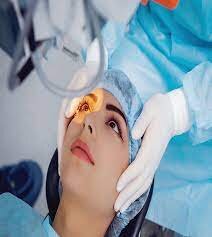
Eye lens replacement surgery is a meticulously planned procedure performed by a skilled ophthalmologist. Understanding the steps involved can help patients feel more at ease and informed about what to expect during the surgery, thereby reducing anxiety and fostering a sense of confidence.
The surgery begins with the administration of local anesthesia to numb the eye and ensure patient comfort throughout the procedure. In some cases, a mild sedative may be given to help the patient relax. The use of anesthesia is crucial in ensuring that the patient remains comfortable and pain-free during the surgery.
Once the eye is anesthetized, the surgeon creates a small incision in the cornea to access the natural lens. Using advanced techniques and instruments, the surgeon carefully removes the cloudy or dysfunctional lens. This step is crucial in ensuring that the new intraocular lens can be placed accurately and securely.
After the natural lens is removed, the surgeon inserts the selected intraocular lens into the eye. The type of IOL chosen depends on the patient's vision needs and lifestyle preferences. There are various types of IOLs available, including monofocal, multifocal, and toric lenses, each offering unique benefits for different vision requirements. The selection of the appropriate IOL is a pivotal decision that can significantly impact the patient's post-surgery vision quality.
Once the IOL is securely positioned, the surgeon closes the incision, often without the need for stitches, as the corneal tissue can self-seal. The entire procedure typically takes about 15 to 30 minutes per eye, and patients can usually return home the same day. The efficiency and precision of the procedure contribute to its popularity and success rate.
Understanding the intricacies of the procedure can alleviate any concerns and empower patients to approach their eye lens replacement surgery with confidence. The knowledge that the procedure is well-established and performed by experienced professionals provides reassurance to patients and their families.
Moreover, the advancements in surgical techniques and technologies have continually improved the safety and effectiveness of eye lens replacement surgery. Patients can rest assured that they are receiving care that is backed by years of research and development in the field of ophthalmology.
Recovery and Aftercare: Ensuring Optimal Healing and Long-Term Vision Improvement
Recovery from eye lens replacement surgery is a gradual process that requires diligent aftercare to achieve the best possible visual outcomes. Patients should follow their ophthalmologist's instructions closely to ensure a smooth recovery and maximize the benefits of the surgery.
Immediately after the surgery, patients may experience mild discomfort, irritation, or blurry vision. These symptoms are normal and typically subside within a few days as the eye begins to heal. It is essential to avoid rubbing or touching the eye to prevent infection or complications. Proper care and caution during this initial phase are vital in facilitating healing and preventing setbacks.
Patients will be prescribed eye drops to reduce inflammation and prevent infection. It is crucial to use these drops as directed and attend all follow-up appointments with the ophthalmologist to monitor the healing progress. Regular check-ups allow the ophthalmologist to assess the recovery and address any concerns promptly.
During the initial recovery period, patients should avoid strenuous activities, swimming, and exposure to dust or irritants. Wearing protective eyewear, such as sunglasses, can help shield the eyes from bright light and potential irritants. These precautions are essential in safeguarding the healing eye and ensuring a smooth recovery.
The majority of patients experience significant improvements in vision within a few weeks, although complete healing may take several months. It is important to be patient and allow the eyes ample time to adjust to the new intraocular lenses. The gradual improvement in vision can be a rewarding experience, as patients witness the transformation in their visual clarity.
By adhering to the recommended aftercare guidelines, patients can maximize the benefits of their eye lens replacement surgery and enjoy enhanced vision for years to come. The commitment to aftercare is a crucial component of the recovery process, ensuring long-term success and satisfaction with the surgery.
Furthermore, patients should maintain regular communication with their ophthalmologist throughout the recovery period. Any unusual symptoms or concerns should be promptly addressed to prevent complications and ensure optimal healing.
Choosing the Right Intraocular Lens: Personalized Vision Solutions for Diverse Needs
The selection of an appropriate intraocular lens (IOL) is a crucial aspect of eye lens replacement surgery. With advancements in technology, patients now have access to a variety of IOL options, each designed to address specific vision needs and lifestyle preferences. This personalized approach to lens selection ensures that patients receive the most suitable solution for their unique requirements.
Monofocal lenses are the most common type of IOL and provide clear vision at a single distance, typically for distance vision. Patients with monofocal lenses may still require glasses for near or intermediate tasks, such as reading or computer work. These lenses are ideal for individuals who prioritize clarity in distance vision and do not mind using glasses for other tasks.
Multifocal lenses offer the advantage of providing clear vision at multiple distances, reducing the need for glasses for both near and distance vision. These lenses are particularly beneficial for individuals who desire greater independence from corrective eyewear and wish to enjoy a seamless transition between different visual ranges.
Toric lenses are specifically designed to correct astigmatism, a common refractive error that causes blurred vision. By addressing astigmatism, toric lenses can significantly enhance visual clarity and reduce reliance on glasses or contact lenses. These lenses are a valuable option for patients with astigmatism who seek improved vision quality.
Choosing the right IOL involves a thorough discussion with the ophthalmologist to assess the patient's visual goals, lifestyle, and any pre-existing eye conditions. By selecting the most suitable IOL, patients can achieve personalized vision solutions that align with their unique needs and preferences. The decision-making process should be collaborative, with the ophthalmologist providing guidance and expertise to help the patient make an informed choice.
Moreover, the advancements in IOL technology continue to expand the possibilities for vision correction. New lens designs and materials are constantly being developed to enhance visual outcomes and patient satisfaction. Patients can look forward to an increasingly diverse range of options, allowing for more tailored and effective solutions to their vision needs.
Conclusion: Embracing Clear Vision Through Eye Lens Replacement Surgery for a Brighter Future
Eye lens replacement surgery represents a transformative opportunity for individuals seeking to improve their vision and reduce dependence on corrective eyewear. By understanding the intricacies of refractive lens exchange, exploring various vision correction options, and preparing diligently for the procedure, patients can approach the surgery with confidence and clarity.
The recovery process, while gradual, offers the promise of enhanced visual acuity and an improved quality of life. By adhering to the recommended aftercare guidelines and choosing the right intraocular lens, patients can enjoy the benefits of clear vision for years to come. The journey to improved vision is not just about physical transformation; it encompasses emotional and psychological growth as well.
As technology continues to advance, eye lens replacement surgery remains a safe and effective solution for individuals seeking to embrace a world of clear and vibrant vision. The continuous research and development in ophthalmology ensure that patients receive the highest standard of care and the most innovative solutions for their vision needs.
Ultimately, eye lens replacement surgery is more than a medical procedure; it is a gateway to a brighter and more fulfilling future. The ability to see the world with clarity and vibrancy opens up new possibilities and experiences, enriching the lives of patients and empowering them to pursue their passions and dreams without visual limitations.



We offers bladeless laser vision correction surgery by top LASIK surgeons in the LASIK laser eye surgery field.
Learn More about Vision Correction for these Eye Problems.