

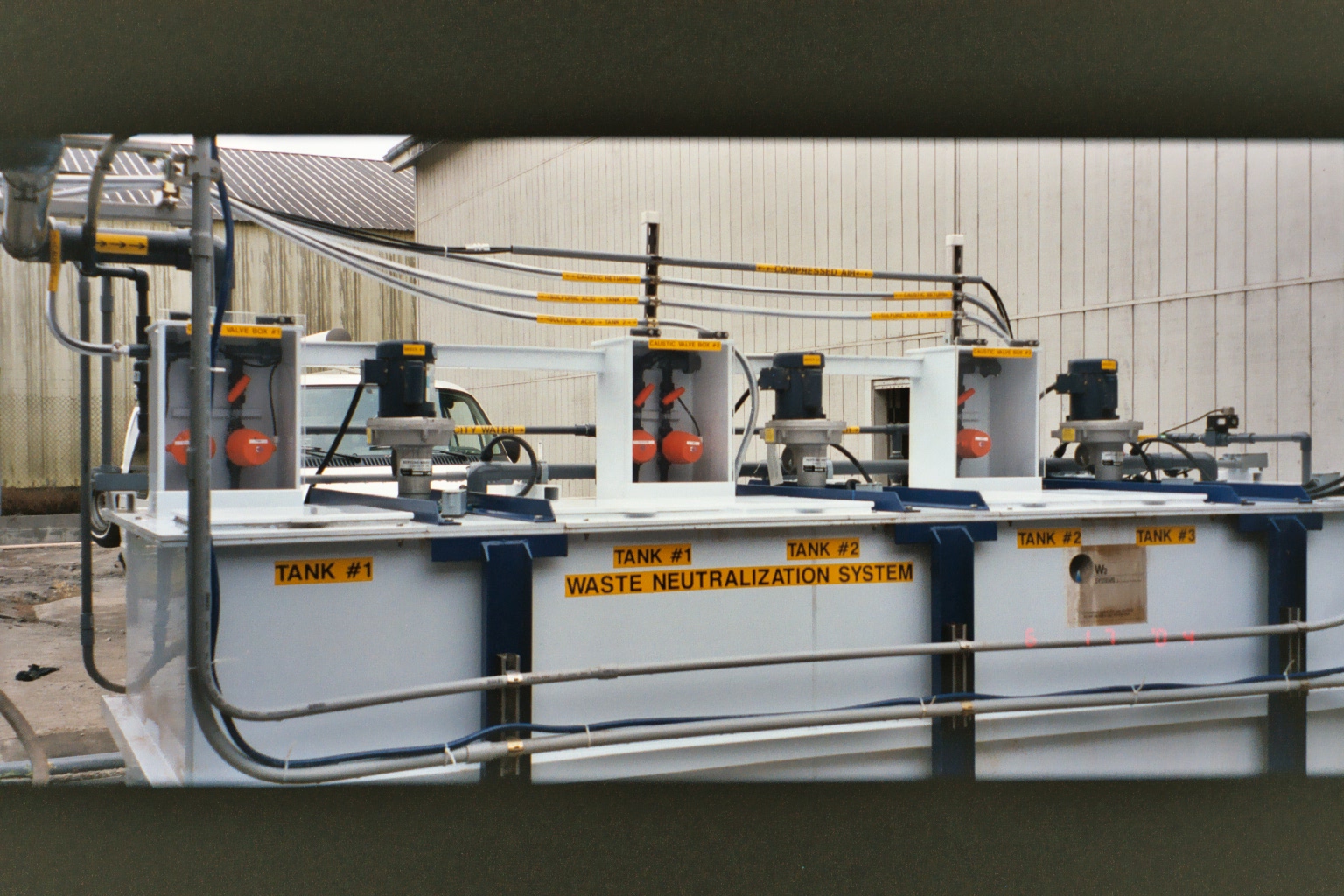
Wastewater treatment often involves dealing with acidic or alkaline discharges that can harm the environment. The solution? pH neutralization. By balancing pH levels, wastewater can be treated effectively, ensuring it meets environmental standards and can safely be released or reused. In this article, we'll explore the significance of pH-neutralization wastewater treatment and how it helps in achieving cleaner water.
Why pH Neutralization Matters in Wastewater Treatment
Acidic or alkaline water poses significant risks not only to aquatic life but also to the infrastructure of wastewater treatment facilities. Balancing the pH helps maintain system integrity and prevents corrosion. But how is this achieved? Through the use of chemicals, techniques, and carefully designed processes that bring the water's pH level to a neutral state.
The Science Behind pH Neutralization
pH is a measure of how acidic or alkaline a solution is. The goal of pH neutralization is to adjust the wastewater to a neutral pH (7), making it safe for the environment. This process often requires the introduction of acid or base substances to raise or lower the pH levels, depending on the characteristics of the wastewater being treated.
Methods Used for pH Neutralization
There are several approaches to pH neutralization, including:
● Chemical Neutralization: Adding acids or bases to adjust the pH.
● Biological Treatment: Using microorganisms to break down acidic or alkaline compounds.
● Membrane Technologies: Advanced methods like reverse osmosis can help remove contaminants and stabilize pH levels.
How pH Neutralization Impacts the Environment
Maintaining proper pH levels prevents potential harm to the ecosystem, ensuring that the treated water does not disrupt aquatic life. It also contributes to the preservation of local water bodies and their biodiversity, promoting sustainability in water management.
Choosing the Right pH Neutralization Systems
When selecting a pH neutralization system, it's essential to consider factors such as the volume of wastewater, the level of acidity or alkalinity, and the specific needs of the facility. These systems are designed to optimize treatment, minimize chemical waste, and improve efficiency.
Future Trends in pH Neutralization
With increasing awareness of environmental impacts, new technologies are emerging to improve pH neutralization processes. Automation, real-time monitoring systems, and more efficient chemical treatments are paving the way for smarter and more sustainable wastewater treatment.
In conclusion, pH neutralization systems play a critical role in maintaining the ecological balance by ensuring wastewater is treated effectively. With the right system in place, industries can contribute to cleaner, safer water for all.


KD Market Insights presents its latest research report on Global PTFE Membrane Market.
This report covers detailed analysis of major market players, revenue, price, regions, sales channel, distributors, dealers, research findings and Conclusion.
It also includes detailed analysis of market environment including consumption patterns, demographic trends, consumer attitude, pricing trends, etc.The market for PTFE Membrane is projected to reach at a noteworthy value by the end of 2025.
Over the past years, the market for PTFE Membrane has grown at a substantial rate and is expected to represent a lucrative growth over the forecast period.
Also, the research includes facts & figures which are related to the macroeconomic indicators that are estimated to drive the market growth globally.Access Exclusive Sample Report on PTFE Membrane Market with Covid -19 Impact - https://www.kdmarketinsights.com/sample/6887Global PTFE Membrane Market: Segmentation AnalysisUnderstanding the segments facilitates identifying the significance of different factors that contributes to the market growth.
This market research report covers specific segments, which are as follows:By Type:Hydrophobic PTFE MembraneHydrophilic PTFE MembraneUnlaminatedLaminatedBy Pore Size:1μm2μm8μm45μm65μmBy Application:Industrial FiltrationMedical & PharmaceuticalsTextilesAutomotiveWater TreatmentArchitectureOthersRegions covered:The global PTFE Membrane market is segmented as By Type, By Pore Size and By Application.