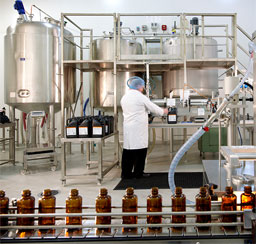


Wastewater treatment systems are the unsung heroes of our modern infrastructure. Hidden from view yet essential to every community’s health and well-being, these systems treat and clean the water that flows through our homes, industries, and businesses. While the result of clean, treated water is often celebrated, the unseen hero in this process is regular maintenance.
Without proper upkeep, wastewater treatment systems can quickly deteriorate, leading to operational inefficiencies, environmental harm, and costly repairs.
Why Regular Maintenance is Crucial for Wastewater Treatment Systems?
Wastewater treatment systems are complex and involve various filtration, chemical treatment, biological processes, and sludge management stages. These stages rely on a delicate balance of components, from pumps and pipes to aerators and sensors. Any disruption or malfunction at any point can compromise the entire system’s effectiveness.
Here are several reasons why regular maintenance is critical for these systems:
● Prevention of System Failures
A wastewater treatment plant, whether it serves a residential area or an industrial facility, is vulnerable to wear and tear over time. Small issues, if left unchecked, can snowball into major system failures. A clogged filter, for example, could cause an overflow or halt the entire treatment process. By regularly inspecting and maintaining each part of the system, potential failures can be identified and rectified before they escalate into costly, widespread problems.
● Maximizing Efficiency
Wastewater treatment plants are designed to operate efficiently, using specific amounts of energy, chemicals, and resources. Regular maintenance ensures that all components are functioning optimally. For example, cleaning or replacing aerators and diffusers can improve oxygenation, reducing the need for additional chemicals and energy. This helps meet regulatory standards and contributes to lowering operating costs in the long term.
● Environmental Protection
A well-maintained wastewater treatment system directly contributes to protecting the environment. If treatment systems malfunction or become inefficient, untreated or poorly treated water could pollute local waterways. This can harm aquatic life, disrupt ecosystems, and affect communities that rely on these water sources. Routine maintenance reduces the risk of environmental damage, helping to maintain the delicate balance of natural resources.
● Emergency Preparedness
Another aspect of regular maintenance is ensuring that wastewater systems are prepared for emergencies. Heavy rains, unexpected surges in water usage, or accidents can strain a treatment system’s capacity. By keeping the system well-maintained, operators can be better equipped to handle these challenges, preventing overflows or shutdowns. This proactive approach helps avoid costly emergency repairs and maintains the system’s reliability.
The Role of Professional Maintenance Providers
While regular maintenance is crucial, performing it effectively requires specialized knowledge and skills. Professional wastewater treatment service providers, such as those offered by W2 Systems, bring the expertise needed to keep these systems running smoothly. These professionals conduct thorough inspections, perform routine cleaning, calibrate equipment, and replace worn parts as necessary. They also help keep track of regulatory changes and ensure compliance, offering operators peace of mind.
Conclusion
Wastewater treatment systems are fundamental to maintaining the health of our communities and the environment. Regular maintenance is not just a recommendation but necessary to ensure these systems remain efficient, effective, and environmentally responsible.
By prioritizing regular inspections, proactive repairs, and professional servicing, we can extend the lifespan of these systems, reduce operational costs, and protect the environment for future generations. The actual value of wastewater treatment lies in its immediate function and long-term sustainability, which is only possible through careful, consistent maintenance.
Author’s Bio: The author is an avid writer. This article is about the importance of regular maintenance in wastewater treatment systems.
Category : Wastewater Treatment System
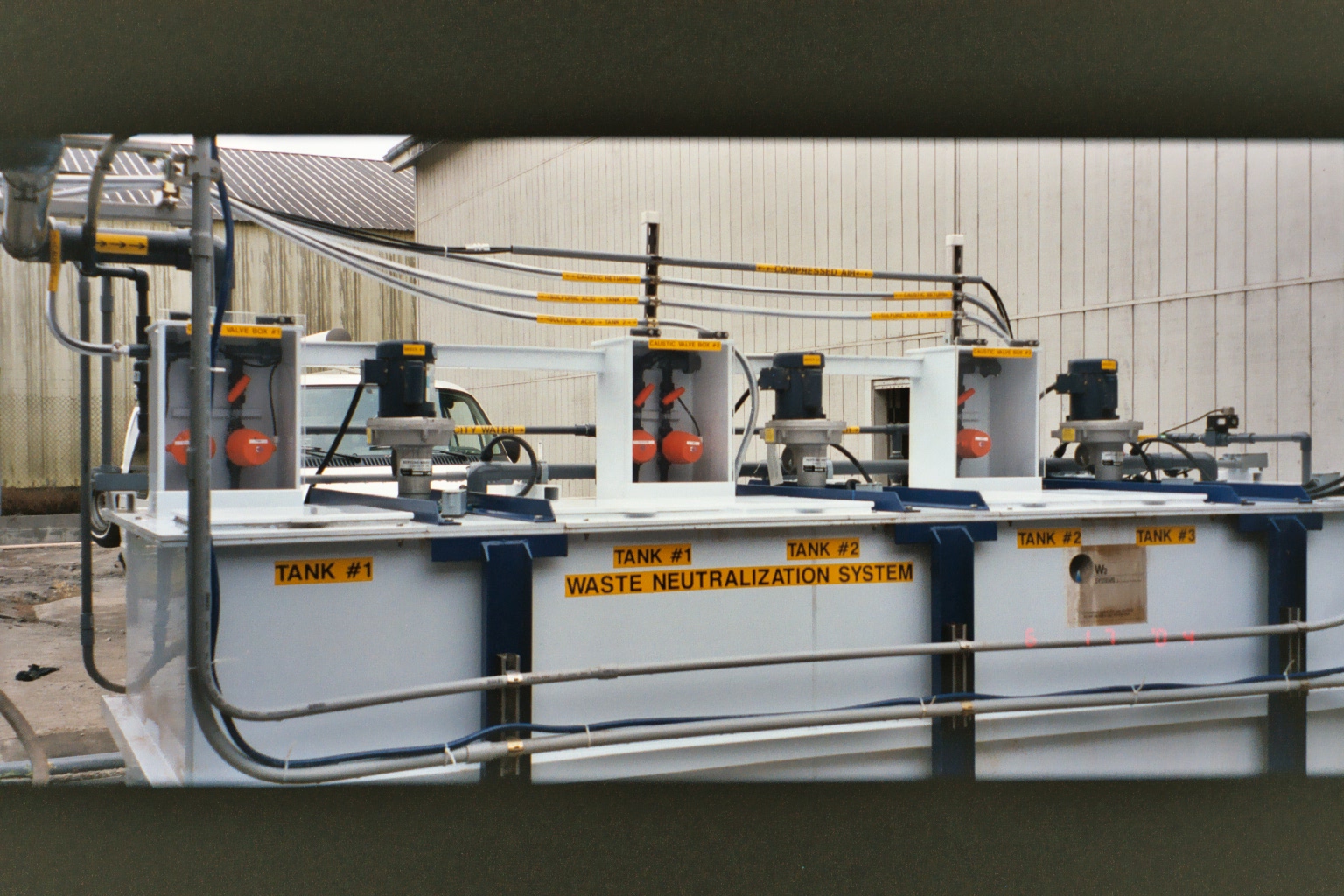
All those industrial facilities which release wastewater as a byproduct of their manufacturing process require some type of treatment system.
As, an improper discharge can lead to potential harm to the environment, people and including the manufacturing process of the industry.
Therefore, it is imperative to do research and determine which type of wastewater treatment system will fulfil your industrial requirements before getting the plant installed.
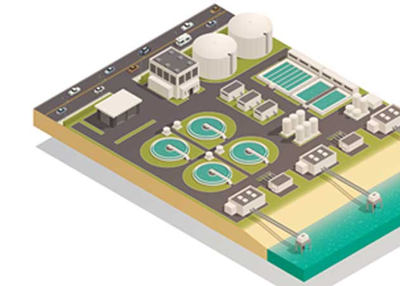
Different treatment systems like Membrane Bioreactor (MBR), Submerged Aerated Filter (SAF), and Sequencing Batch Reactor (SBR), all have their own set of features and advantages.
Due to the availability of a wide variety of wastewater treatment systems, the cost can vary a bit.