


Tartar buildup is a common dental issue—and it doesn’t just affect how your teeth look. If left untreated, tartar can lead to gum disease, tooth decay, and bad breath. While good brushing habits help, tartar can only be removed safely and effectively with professional dental care. Here's what you need to know to maintain a cleaner, healthier smile and prevent future oral health complications.
What Is Tartar?
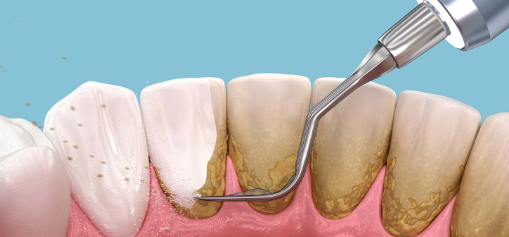
Tartar, also known as dental calculus, forms when plaque—a sticky film of bacteria—remains on the teeth and hardens over time. Plaque develops when food particles and bacteria combine in your mouth. If it's not brushed and flossed away regularly, it calcifies into tartar. This hardened deposit bonds strongly to the enamel and can no longer be removed by simple brushing. Tartar not only makes your teeth look discolored and rough, but it also irritates your gums, traps bacteria, and increases the risk of cavities and gum disease. It forms most commonly around the gum line and between teeth, areas that can be harder to clean effectively at home.
DIY Tartar Removal: Not a Good Idea
You might have seen online tips suggesting ways to remove tartar at home. Some people recommend using metal dental tools, baking soda, or even vinegar. However, these approaches are either ineffective or dangerous.
Scraping your own teeth with sharp tools is risky—it can damage enamel, irritate your gums, or cause cuts that lead to infections. While baking soda or hydrogen peroxide can help reduce surface stains and bacteria, they don't have the power to remove hardened tartar.
Attempting to remove tartar at home can also mask deeper problems. You might remove visible deposits but miss buildup under the gums or signs of gum disease, which require professional care. It’s always best to let a trained dental professional handle tartar removal.
What You Can Do Instead
- The good news? Preventing tartar is possible with good daily habits and regular dental visits. Here are steps you can take to keep buildup at bay:
- Brush Twice Daily: Use a fluoride toothpaste and a soft-bristled toothbrush. Brush for two full minutes, reaching all tooth surfaces, especially near the gum line.
- Floss Daily: Flossing helps remove plaque and food particles between teeth—where your toothbrush can’t reach. This is essential for tartar prevention.
- Use an Antimicrobial Mouthwash: An antibacterial rinse helps reduce the bacteria that contribute to plaque and tartar formation.
- Avoid Sugary Snacks: Sugar feeds the bacteria that cause plaque. Limiting sweets and starchy foods can help reduce buildup.
- Drink Plenty of Water: Water rinses away food particles and supports saliva production, which naturally protects your teeth.
- Chew Sugar-Free Gum: Chewing gum stimulates saliva and helps clean your teeth between meals.
Why Professional Cleaning Matters
Even with great home care, tartar can still develop in hard-to-reach areas. That’s where professional dental cleanings come in.
Dental hygienists use specialized tools, like ultrasonic scalers and manual instruments, to remove tartar without damaging your teeth or gums. They can clean both above and below the gum line, areas that are impossible to reach on your own. These cleanings not only remove tartar but also help prevent gum disease, cavities, and other complications.
During your cleaning, your dental provider will also assess your overall oral health. They’ll check for early signs of gum inflammation, tooth decay, or other problems. Catching these issues early can save you time, discomfort, and money in the long run.
If you’ve ever searched for a dental service near me, be sure to choose a provider that offers comprehensive dental services. These include preventive cleanings, scaling and root planing (deep cleaning), and diagnostic services like X-rays. Access to thorough dentist services ensures your entire mouth stays healthy—not just your teeth.
What Happens During a Tartar Removal Appointment?
A standard tartar removal appointment typically includes:
- Initial exam: Your dentist or hygienist checks your mouth for any signs of dental issues.
- Scaling: Using ultrasonic scalers and manual tools, they remove tartar from the surfaces of your teeth and below the gum line.
- Polishing: Once tartar is removed, your teeth are polished to smooth the surface and remove surface stains.
- Fluoride treatment (optional): Some appointments include fluoride application to help strengthen enamel and prevent future decay.
This process is typically painless, though some patients may feel mild sensitivity. If your gums are inflamed or you're prone to sensitivity, your dental provider can use numbing gel or anesthetic to keep you comfortable.
What If You Already Have Gum Disease?
If tartar buildup has already led to gum disease—especially the more advanced stage called periodontitis—you may require more extensive treatment. Deep cleaning procedures, like scaling and root planing, are used to remove bacteria and tartar from deep pockets around the teeth.
Your dentist might also recommend follow-up appointments every 3 to 4 months instead of the usual 6-month checkup schedule. Managing gum disease is crucial to preserving your teeth and preventing more serious health complications, such as bone loss or systemic inflammation.
How Often Should You Get Tartar Removed?
For most people, a dental cleaning every six months is ideal. However, if you're prone to tartar buildup, have a history of gum disease, or wear braces or dentures, your dentist may suggest more frequent cleanings.
Factors that increase tartar risk include:
- Smoking or tobacco use
- Diabetes
- Dry mouth
- Inconsistent oral hygiene habits
- Crooked or crowded teeth that are hard to clean
Regular professional cleanings help break the cycle of plaque-to-tartar buildup and keep your teeth and gums in excellent condition.
Final Thoughts
Tartar may be common, but it doesn’t have to be a problem. With daily care and regular dental visits, you can stay ahead of buildup and maintain a healthy, confident smile. Avoid the risks of DIY tartar removal and trust the professionals for safe, effective cleanings. If you're searching for a dental service near me that provides comprehensive dental services and expert dentist services, Alpine Dental has you covered. Our team offers gentle, thorough cleanings and personalized care to help keep your smile tartar-free. Ready for a cleaner, healthier smile? Book your appointment with Alpine Dental today! Regular professional cleanings help break the cycle of plaque-to-tartar buildup and keep your teeth and gums in excellent condition.