Understanding Pressure Thermoforming
What is Thermoforming?
In the manufacturing process known as thermoforming, a plastic sheet is heated until it becomes malleable before being formed over a mold. It’s a versatile method used to produce lightweight, durable, and precise components across industries. While traditional vacuum forming relies on suction, pressure thermoforming applies external air pressure to achieve a much higher level of detail and control.
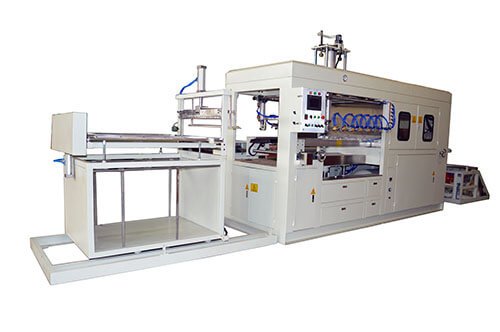
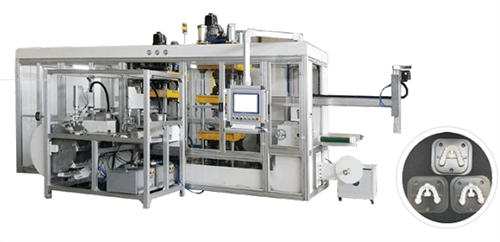
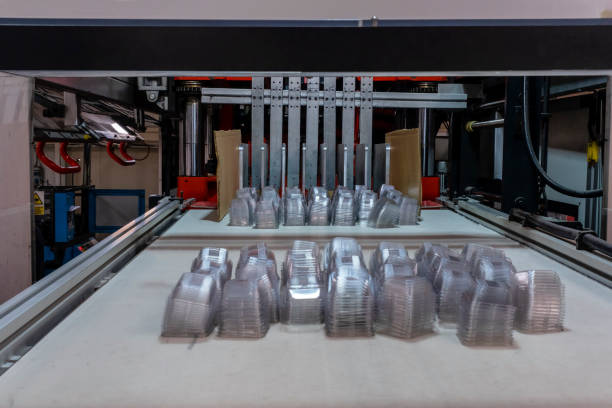
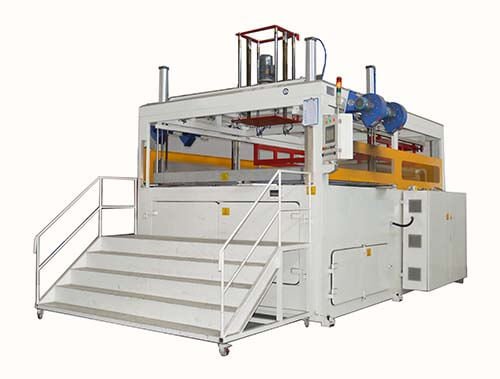
A Pressure Thermoforming Machine is a highly advanced piece of equipment used in plastic manufacturing, renowned for its ability to produce highly detailed and durable plastic components with precision. Unlike vacuum forming, which relies solely on suction to shape heated plastic sheets, pressure thermoforming utilizes both heat and high-pressure air—often up to five times atmospheric pressure—to press the plastic firmly against the mold. This enhanced pressure allows for sharper detail, deeper draws, and more consistent wall thickness across the final product.
Numerous industries, including consumer electronics, automotive, food packaging, and medical devices, use these highly adaptable equipment. By offering faster production cycles, lower tooling costs, and greater material efficiency, Pressure Thermoforming Machines present an ideal solution for manufacturers seeking to boost quality while minimizing waste and cost. As industries demand more complex and customized components, these machines are proving to be indispensable in modern production lines.

The Evolution of Thermoforming Technology
Thermoforming has advanced significantly since its inception. Today’s machines—especially Pressure Thermoforming Machines—represent the cutting edge in plastic molding. They offer the flexibility of custom design while maintaining the high throughput demanded by large-scale production.
Pressure Thermoforming vs. Vacuum Forming
Pressure thermoforming applies up to five times more pressure than vacuum forming, which applies suction to the heated plastic on the mold. This results in crisper edges, deeper draws, and more consistent wall thickness. In short, Pressure Thermoforming Machines make better-looking, stronger products—faster.
How Pressure Thermoforming Machines Work
The Science Behind the Process
It all starts with heat and pressure. The ideal temperature is reached while a plastic sheet is clamped into position. Once it reaches its forming temperature, compressed air is blasted into a cavity above the sheet, pushing it into the mold. Once formed, it’s cooled and trimmed.
Step-by-Step Breakdown of Pressure Thermoforming
Plastic sheet loading Heating stage Mold contact and high-pressure forming Cooling and release Trimming and finishing
Materials Compatible with Pressure Thermoforming Machines
A wide range of plastics are used in pressure thermoforming machines, including
ABS PETG HIPS Polycarbonate Polypropylene
Key Benefits of Pressure Thermoforming Machines
- Precision and Detail in Molding
Thanks to the higher forming pressure, these machines can replicate fine textures and intricate designs that vacuum forming simply can’t handle.
- Faster Production Cycles
Need speed without sacrificing quality? Pressure Thermoforming Machines drastically cut down cycle times—meaning more output, faster ROI.
-Cost-Effective Large-Scale Manufacturing
Compared to injection molding, pressure thermoforming offers lower tooling costs, making it ideal for medium-to-high volume production.
-Versatility Across Industries
From food containers to industrial components, these machines handle it all. The only limit is your imagination.
Industry Applications of Pressure Thermoforming
-Food Packaging Industry
Pressure-formed containers are not only durable and visually appealing but also cost-efficient—perfect for mass-market food items.
-Medical and Pharmaceutical Uses
Cleanroom-compatible and capable of fine detail, these machines are ideal for producing sterile trays, device packaging, and more.
-Automotive Parts and Panels
Dashboard covers, internal panels, and exterior trims—pressure thermoforming delivers the strength and precision these parts demand.
-Consumer Goods and Electronics
Custom casings, display panels, and more can be created with high detail and superior finish.
Why Choose Shanghai Zhanshi Mechanical Equipment Co., Ltd.
-Our Expertise in Thermoforming Technology
With decades of experience and a passion for engineering excellence, we provide machines that set industry benchmarks.
-Customized Machine Design for Specific Needs
Every factory is different. That’s why we tailor each machine to match your production line’s size, complexity, and output goals.
-Superior Quality Control and After-Sales Support
We don’t just sell machines—we partner with you to ensure long-term success with top-notch training and technical support.
Real-World Case Studies
-Small Business Packaging Firm Upgrade
A mid-sized packaging company switched to our Pressure Thermoforming Machine and saw a 30% increase in output with 40% less material waste.
-Automotive Manufacturer Enhancement
One automotive supplier improved part accuracy and reduced rejections by 50%, saving thousands in material and labor costs.
-Medical Device Startup Transformation
This startup went from prototype to production in record time, thanks to our fast-tooling capabilities and pressure precision.

Environmental and Economic Impact
-Reducing Material Waste
The precision of pressure forming means minimal material overuse—good for the planet and your budget.
-Energy Efficiency and Sustainability
Modern machinery is built to use less energy without sacrificing quality or production.
-Return on Investment
With reduced waste, lower labor costs, and quicker turnarounds, the ROI is not just promising—it’s proven.
Choosing the Right Pressure Thermoforming Machine
Factors to Consider
Production volume Product design complexity Type of thermoplastic material Budget and ROI goals
The Future of Pressure Thermoforming
-Integration with Automation
Robotic arms and conveyors streamline loading and unloading, minimizing human error and increasing throughput.
-Smart Monitoring and IoT
Sensors and cloud connectivity let you monitor performance in real-time and make informed maintenance decisions.
-Predictive Maintenance and AI
AI-powered systems can predict when components will fail—saving you downtime and unexpected repair costs.
In a world where speed, quality, and efficiency are everything, a Pressure Thermoforming Machine is more than a tool—it’s a transformation engine. Whether you're scaling up or just getting started, integrating this technology into your production line will elevate your operation, giving you the competitive edge you’ve been looking for.
At Shanghai Zhanshi Mechanical Equipment Co., Ltd., we’re proud to be part of this transformation. Let’s build the future together.
FAQs
Q1: What materials can be used in a Pressure Thermoforming Machine?
A: Common materials include ABS, HIPS, PETG, polycarbonate, and polypropylene.
Q2: Is pressure thermoforming suitable for low-volume production?
A: While best for medium-to-high volume runs, it can also be adapted for low-volume prototyping using cost-effective tooling.
Q3: How does pressure thermoforming compare to injection molding?
A: Pressure thermoforming offers lower tooling costs and faster turnaround and is ideal for large parts that don’t require the strength of injection-molded components.
Q4: How long does it take to set up a pressure thermoforming machine?
A: Setup time varies, but with expert installation and training from Shanghai Zhanshi, your machine can be up and running quickly.
Q5: Can I integrate a pressure thermoforming machine into my existing production line?
A: Yes! Our machines are designed to be compatible with existing systems and can be customized for seamless integration.