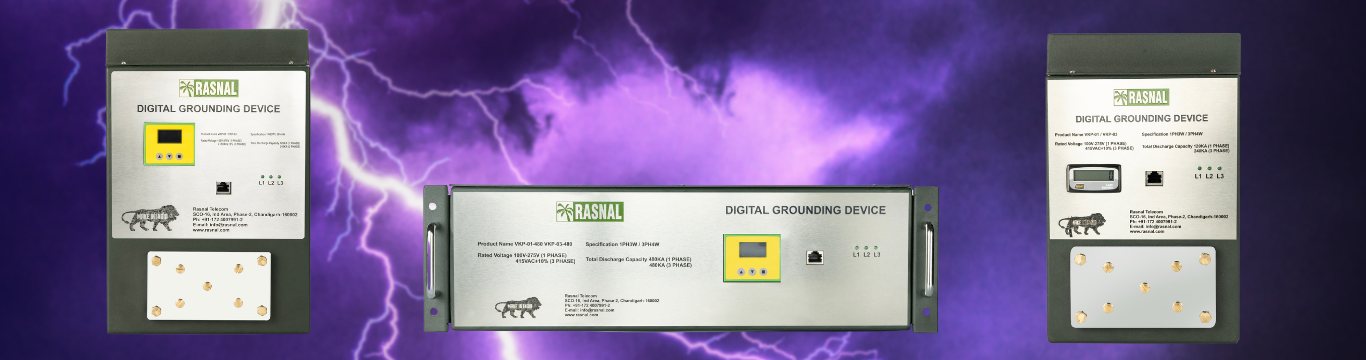
In every setting, from sophisticated industrial facilities to residential dwellings, electrical safety is crucial. A robust grounding system is the cornerstone of this safety, providing a safe path for fault currents and preventing dangerous voltage build-up. While traditional grounding methods have been the standard for years, the emergence of the digital grounding device marks a significant leap forward in enhancing electrical safety through intelligent monitoring and proactive protection. Let's explore five key ways a digital grounding device elevates safety standards.
1. Real-Time Monitoring for Proactive Risk Mitigation
In every setting, from sophisticated industrial facilities to residential dwellings, electrical safety is crucial. Unlike passive traditional systems that offer no insight into their operational status, a digital grounding device continuously measures crucial parameters such as ground resistance, earth leakage current, and the integrity of grounding connections. This constant vigilance allows for the early detection of potential faults or degradation in the grounding system, enabling proactive maintenance before a hazardous situation arises. By identifying and addressing issues like corrosion, loose connections, or increased ground resistance in real-time, a digital grounding device significantly reduces the risk of electrical shock and equipment damage.
2. Early Detection of Fault Currents for Faster Response
The purpose of a digital grounding device is to promptly identify and react to fault currents. A spike in current flows to the earth when an electrical malfunction happens. A traditional grounding system provides a path for this current, but a digital grounding device goes further by immediately sensing the presence and magnitude of the fault current. This rapid detection allows for faster tripping of circuit breakers or activation of other protective devices, isolating the fault and minimizing the duration and severity of the electrical hazard. This swift response is crucial in preventing fires, equipment damage, and potential injury to personnel.

3. Enhanced Protection Against Transient Overvoltages
Transient overvoltages, such as those caused by lightning strikes or switching operations, can pose a significant threat to electrical equipment and safety. While surge protection devices (SPDs) play a vital role in mitigating these surges, the effectiveness of SPDs is heavily reliant on a low-impedance and reliable grounding system. A digital grounding device, with its optimized design and continuous monitoring, ensures that the grounding path remains effective in dissipating these transient overvoltages safely to the earth. By maintaining a low ground impedance, the digital grounding device enhances the performance of SPDs, providing a more robust and comprehensive lightning protection solution and safeguarding against voltage spikes that could otherwise lead to equipment failure or safety hazards.
4. Improved Safety in Sensitive Environments
In environments with sensitive electronic equipment, such as hospitals, data centers, and laboratories, even minor fluctuations in ground potential can lead to malfunctions or equipment damage, potentially compromising safety or critical operations. A digital grounding device offers superior control over ground potential by ensuring a stable and low-impedance ground reference. The precise monitoring capabilities of the digital grounding device help maintain equipotential bonding, minimizing the risk of stray currents and voltage differences that could interfere with sensitive equipment or pose a safety hazard to personnel working with or around it.
5. Facilitating Compliance and Reducing Liability
In addition to being required by law, following electrical safety standards and regulations is essential for responsible operation. A digital grounding device can significantly aid in achieving and maintaining compliance with these standards. The detailed monitoring data and reporting capabilities of these devices provide valuable documentation of the grounding system's performance, making it easier to demonstrate compliance during inspections and audits. By ensuring a consistently safe and well-monitored grounding system, a digital grounding device can also help reduce potential liability associated with electrical accidents or equipment failures.
Investing in Intelligent Electrical Safety
An important development in electrical safety technology is the digital grounding device. By providing real-time monitoring, early fault detection, enhanced transient overvoltage protection, improved safety in sensitive environments, and facilitating regulatory compliance, these intelligent devices offer a superior level of protection compared to traditional grounding methods. Investing in a digital grounding device is a proactive step towards creating a safer and more reliable electrical environment for everyone.

Earthing grounding has helped countless people use fewer pain killers, reduce physical therapy costs, and live a less invalidating life.
Read this blog to learn more about earthing grounding.https://housertag.com/the-best-antioxidant-earthing-grounding/