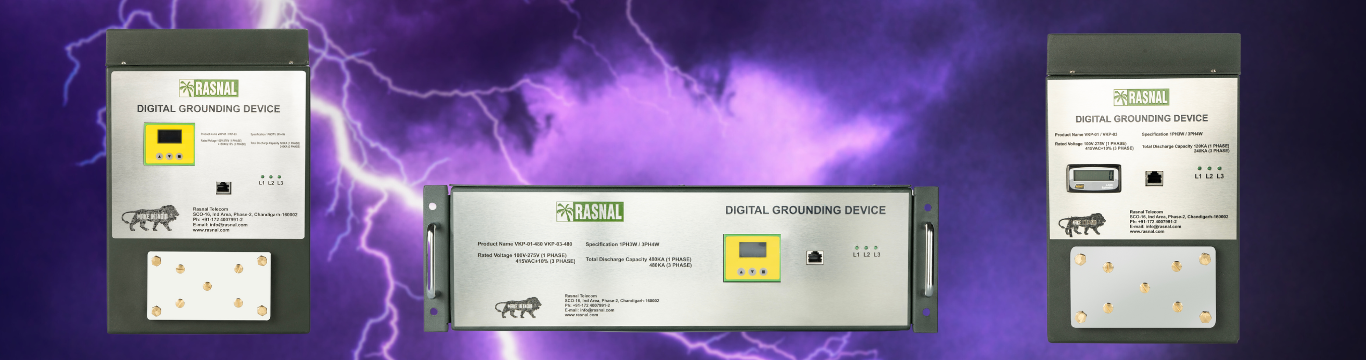
Modern industries depend on electronics more than ever before. Data centers, manufacturing plants, telecom networks, hospitals, and government facilities all operate on sensitive electronic systems that demand stable and clean power. Even minor grounding issues can lead to major failures. This is why digital earthing has become a critical requirement for today’s infrastructure.
Traditional earthing methods were developed for a time when electrical systems were simpler and less sensitive. Today’s low voltage electronics, high speed networks, and automated systems require a far more reliable grounding approach. Digital earthing provides that reliability.

Understanding Digital Earthing Technology
Digital earthing is an advanced grounding solution that actively manages electrical stability. Instead of relying solely on physical earth pits and soil resistance, digital earthing uses intelligent electronic design to maintain a consistently low impedance grounding path.
Unlike conventional earthing, which fluctuates with soil moisture, temperature, and corrosion, digital earthing delivers predictable and stable performance throughout the year. This stability is essential for protecting modern electronic equipment from voltage spikes, surges, and electrical noise.
The Limitations of Conventional Earthing
Many facilities still rely on traditional grounding systems that appear functional but fail under real world conditions.
Soil drying, seasonal changes, and aging conductors reduce grounding effectiveness over time. Lightning strikes and grid disturbances introduce high energy transients that conventional earthing systems struggle to dissipate safely.
The consequences include damaged circuit boards, server crashes, communication failures, and unexpected shutdowns. For IT managers and facility heads, this leads to constant operational risk and escalating maintenance costs.
Why Digital Earthing Is a Better Solution
Digital earthing addresses these challenges at the root level rather than treating symptoms.
By stabilizing the reference ground potential, a digital earthing system ensures that excess voltage is safely redirected away from sensitive electronics. It reduces voltage differentials between interconnected systems, minimizing stress on equipment and preventing hidden damage.
Key benefits of digital earthing include:
- Stable grounding performance in all environmental conditions
- Improved protection against lightning and surge events
- Reduced electrical interference and noise
- Extended lifespan of electronic equipment
- Enhanced safety for personnel and infrastructure
- Digital Earthing as the Foundation of Surge Protection
Effective electrical protection is never achieved through isolated components. Digital earthing acts as the foundation that allows all protection devices to work efficiently.
When combined with lightning protection systems, power surge protectors, data line protection, and network safeguards, digital earthing ensures that surge energy is discharged smoothly and safely.
Without proper grounding, even the best surge protection devices cannot perform as intended. Digital earthing completes the protection ecosystem by providing a reliable discharge path for harmful energy.
Critical Applications of Digital Earthing
Digital earthing is widely adopted across sectors where reliability and uptime are essential.
Common applications include:
- IT infrastructure and data centers
- Telecom and enterprise communication networks
- CCTV and integrated security systems
- Industrial automation and PLC based operations
- Healthcare facilities and diagnostic equipment
- Defense and government installations
In each of these environments, digital earthing helps maintain operational continuity and protects mission critical systems.
The Business Impact of Proper Earthing
For decision makers, digital earthing is not just a technical upgrade. It is a business safeguard.
Reduced equipment failure means lower replacement costs. Fewer outages translate into improved productivity and service continuity. Cleaner power improves system efficiency and reduces troubleshooting time.
Over time, the investment in digital earthing delivers measurable returns through reduced downtime, extended equipment life, and improved operational confidence.
A Structured Approach to Digital Earthing Implementation
Successful digital earthing deployment follows a clear process.
The first step is evaluating the existing grounding condition and identifying risk points. This includes analyzing power quality, surge exposure, and system interconnections.
Next, a customized digital earthing solution is designed based on site requirements and operational needs. Installation is carried out to ensure seamless integration with existing infrastructure.
Ongoing monitoring and support ensure long term performance and reliability.
The Risk of Ignoring Modern Grounding Needs
Facilities that continue using outdated earthing systems expose themselves to serious threats.
A single surge event can destroy expensive equipment within seconds. Network outages can halt operations. Security systems may fail when they are needed most.
These losses often exceed the cost of implementing a proper digital earthing solution, making inaction a costly decision.
Preparing Infrastructure for the Future
As facilities become more automated and digitally connected, grounding requirements will only increase. Digital earthing provides a future ready foundation for evolving electrical and communication systems.
By adopting advanced digital earthing solutions, organizations gain stability, protection, and peace of mind.
For industries that value reliability, safety, and long term performance, digital earthing is no longer an option. It is an essential part of modern infrastructure design.