





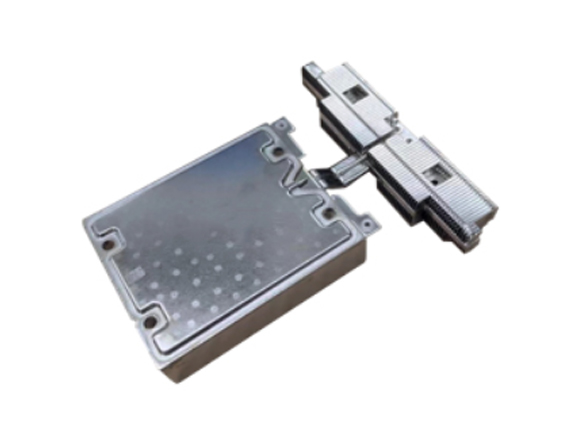
What is a Vapor Cooling Chamber?
A sophisticated thermal solution for controlling and dissipating high heat loads in electrical equipment is a vapor cooling chamber. It works by transferring heat away from hot components like CPUs, GPUs, and chipsets using a process called phase-change cooling, in which a working fluid inside a sealed metal chamber continuously evaporates and condenses.

The Inner Workings
At its core, a vapor cooling chamber contains
- A metallic enclosure (usually copper or aluminum)
- A wick structure lining the inner surface
- A small amount of fluid (like water or acetone)
- A vacuum seal
When heat is applied, the fluid quickly evaporates at the heat source, turning into vapor. Via capillary action through the wick, the vapor returns to the heat source after condensing into a liquid in the cooler sections of the chamber. This process ensures a continuous and highly efficient heat transfer cycle.
Why Traditional Cooling Falls Short
Conventional cooling methods, such as fans or aluminum heat sinks, mostly use forced air and conduction to transfer heat. While they work reasonably well, they have limitations:
- Uneven heat distribution
- Hotspots around the heat source
- Bulkier designs
- Limited effectiveness in compact devices
These shortcomings become especially problematic as processors grow more powerful, while devices simultaneously become thinner and more compact.
Advantages of Vapor Cooling Chambers
1. Exceptional Thermal Conductivity
Almost instantly, vapor chambers may disperse heat across a large region. This is crucial in devices like gaming laptops or mobile phones, where space is limited but performance expectations are high.
2. Hotspot Elimination
One of the biggest perks of vapor chambers is their ability to eliminate hotspots. Unlike traditional heat pipes that are linear, vapor chambers offer 2D heat spreading—ensuring the entire surface remains cool.
3. Compact Design
Their flat, thin design allows them to be used in ultra-slim electronics without compromising cooling performance. This is a game-changer for OEMs designing next-gen compact tech.
4. Silent Operation
Since vapor chambers often replace or reduce the need for fans, they operate silently. That’s a major plus in consumer electronics and high-end audio or video production gear.
Key Applications Across Industries
Consumer Electronics
- Smartphones: Devices like flagship Android phones have adopted vapor chambers to handle gaming, 5G, and multitasking without overheating.
- Laptops: High-performance notebooks now use vapor chambers to cool CPUs and GPUs more efficiently than standard heat sinks.
Gaming Hardware
Gamers demand peak performance and minimal throttling. Vapor chambers have become a go-to solution in:
- High-end gaming GPUs
- PlayStation and Xbox consoles
- Gaming laptops
Data Centers
As servers get denser and more powerful, managing thermal output becomes critical. Vapor cooling chambers are being integrated into server blades and storage arrays to improve energy efficiency and reliability.
Automotive & Aerospace
With EVs and avionics relying heavily on electronic control units (ECUs), vapor chamber technology offers compact cooling without weight penalties—an essential advantage in these fields.
5G Infrastructure
Extreme localized heat is produced by 5G base stations and network equipment. Vapor cooling chambers enable these systems to stay online under heavy loads without breakdown.
Why Tone Cooling Technology Co., Ltd. Leads the Way
Tone Cooling Technology Co., Ltd. has positioned itself as a global innovator in the vapor cooling space. By combining cutting-edge R&D with precision manufacturing, the company produces high-performance vapor cooling chambers tailored to diverse industry needs.
Their solutions are:
- Durable and reliable
- Customizable for unique applications
- Built for maximum thermal efficiency
If you're a tech developer or business leader looking to future-proof your products, partnering with Tone Cooling means investing in quality, innovation, and thermal excellence.
How to Choose the Right Vapor Cooling Chamber
Not all vapor chambers are created equal. Here’s what to look for:
1. Material
Copper is commonly used due to its excellent thermal conductivity. Aluminum versions are lighter and more affordable but slightly less effective.
2. Wick Design
Sintered metal wicks provide consistent performance and are ideal for high-heat environments. Grooved wicks are more cost-effective but have lower capillary action.
3. Thickness and Size
The chamber should fit your device's layout without interfering with other components. For systems that are portable or small, thinner chambers are better.
4. Operating Temperature Range
Choose a chamber rated for the specific thermal loads and environmental conditions of your device or infrastructure.

What the Future Holds
As computing demands continue to rise, so too will the need for better, smarter thermal solutions. Vapor cooling chambers will be at the forefront of this evolution, making them a cornerstone of next-generation electronic design.
We can expect:
- Integration with AI hardware
- Wider use in IoT and edge computing devices
- creation of hybrid cooling systems that combine liquid cooling and vapor chambers
Vapor cooling chambers have become an essential option in a society that is becoming more and more reliant on strong, portable, and effective technology. They offer high-performance thermal regulation in a small footprint, enabling the tech industry to keep pushing boundaries without risking device failure or thermal throttling.
As industries ranging from consumer tech to aerospace embrace this game-changing innovation, companies like Tone Cooling Technology Co., Ltd. are leading the charge—designing vapor cooling systems that meet the demands of tomorrow, today.
FAQs
1. What is the difference between a vapor chamber and a heat pipe?
While both use phase-change cooling, vapor chambers are 2D solutions offering better heat spreading, while heat pipes are typically linear and less efficient for large surface areas.
2. Can vapor cooling chambers be used in smartphones?
Yes, many flagship smartphones use vapor chambers to manage heat from processors, 5G radios, and high-refresh displays.
3. Are vapor chambers better than liquid cooling?
In compact environments, vapor chambers often outperform liquid systems due to their simplicity and reliability—though liquid cooling remains superior for extreme overclocking.
4. How long do vapor chambers last?
When manufactured well, vapor chambers can last for many years, often matching or exceeding the lifespan of the devices they cool.
5. Are vapor cooling chambers environmentally friendly?
Yes. They are sealed systems that require no power to operate and are often made from recyclable metals like copper or aluminum.
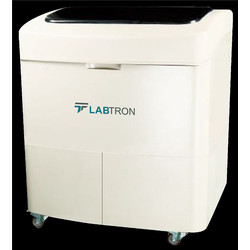
Biochemistry analyzer LBCA-A10 is a fully automated floor standing unit with a direct reading system and random operational access.
Features automated washing station for both sample and reagent probe.
Provision for liquid level detection collision protection for both sample and reagent probe.
Built-in cooling system for reagent chamber.

Trying hard to cope up from the cooling issue of your AC?
Get the safest AC gas filling in Delhi and adjacent places booked through Mavens Care for the issues related to gas leakage, fault in gas chamber, need for periodic gas refilling, and, so on.
We have a full fleet of trained and most experienced technician delivering their best that too direct to your home or workplace.
Looking for AC Technician in Delhi-NCR!AC Servicing | AC Repair | AC Installation/Uninstallation:- Our technicians are Verified and skilled professionals.
:- Get a 90 Day service Guarantee when you order an AC repair service.
:- Get exclusive Damage protection up to INR 10,000.:- Confirm your Order now and our technicians would reach your place in max 90 minutes.