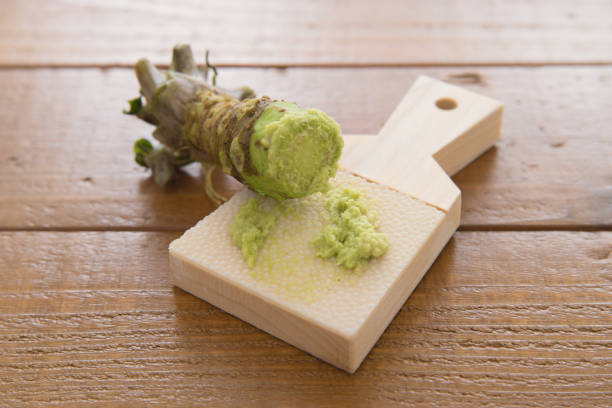
If you’ve ever enjoyed sushi, you’ve likely tasted the sharp, spicy kick of wasabi. But have you ever wondered what the wasabi plant actually is and where it comes from? It’s more than just a spicy condiment—it has a fascinating history and may even offer some health benefits. In this post, we’ll explore everything you need to know about Wasabia japonica, the plant behind the famous flavor.
What Is the Wasabi Plant?
The wasabi plant, scientifically known as Wasabia japonica, is a unique herb native to Japan. It belongs to the Brassicaceae family, the same family as mustard, horseradish, and cabbage. Wasabi has a long history of use in Japan, where it is prized not only for its pungent flavor but also for its potential health benefits.*
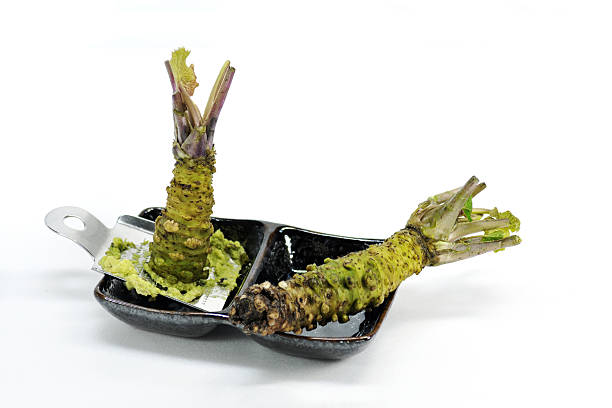
Native to the cold, mountain streams of Japan, the wasabi plant grows best in cool, shaded environments with constant access to fresh water. This makes it quite difficult to cultivate, which is why authentic wasabi can be expensive and often hard to find outside of Japan. The plant itself has large, broad leaves and a thick rhizome (root), which is grated and used as the familiar green paste we associate with sushi.
A Little History of Wasabi
The use of wasabi dates back over a thousand years in Japan. Historically, it was considered a medicinal herb. People believed that it had the power to aid in digestion and help prevent foodborne illnesses. In fact, the antibacterial properties of Wasabia japonica are one reason it pairs so well with raw fish, as it may help kill harmful bacteria that can sometimes be found in uncooked food.
Over time, wasabi became more commonly used as a condiment in Japanese cuisine, especially with dishes like sushi, sashimi, and soba noodles. Today, it’s an integral part of Japanese culture and a must-have ingredient for anyone who enjoys Japanese food.
How Is Wasabi Different from Horseradish?
Many people confuse wasabi with horseradish because of their similar spicy flavor, but there’s a key difference between the two. While wasabi is made from the rhizome of Wasabia japonica, horseradish comes from a different plant altogether, Armoracia rusticana.
Both plants belong to the same family, which is why they have similar tastes. However, wasabi has a more complex flavor profile and tends to be more delicate and fresh compared to the harshness of horseradish. Wasabi also has a shorter, more intense heat that hits the nose rather than lingering on the tongue like horseradish does.
Health Benefits of Wasabi*
Beyond its bold flavor, wasabi may offer several health benefits. While research is still ongoing, there’s promising evidence that wasabi has potential therapeutic properties. Here’s what we know so far:
1. Supports Brain Health
Emerging research suggests that wasabi may support brain function. Wasabia japonica contains compounds that may help protect the brain from oxidative stress, which is a factor in cognitive decline. The antioxidants in wasabi may support brain health, improve memory, and help maintain cognitive function as you age. So, if you’re looking to add something to your diet that might give your brain a little boost, wasabi root powder might be a helpful addition.
2. Aids Digestion
Traditionally, wasabi has been used to support digestion. The compounds in wasabi may help stimulate the production of digestive enzymes, which are crucial for breaking down food and absorbing nutrients. If you often struggle with bloating or indigestion after meals, adding wasabi root powder to your diet might provide some relief. It’s likely to support your digestive system and help improve your overall gut health.
3. May Have Antibacterial Properties
One of the most fascinating aspects of wasabi is its antibacterial properties. Studies have shown that wasabi can help kill harmful bacteria in food. This is why wasabi has been traditionally served with raw fish—it may help prevent foodborne illnesses by eliminating harmful bacteria. While it’s not a substitute for proper food safety, the wasabi plant may offer an added layer of protection.
4. Helps Fight Inflammation
Chronic inflammation is linked to various health problems, including heart disease, arthritis, and some types of cancer. Wasabi contains compounds that have natural anti-inflammatory properties. These compounds may help reduce inflammation in the body, which can support overall health and well-being. If you’re looking for a natural way to combat inflammation, wasabi may offer some potential benefits.
How to Use Wasabi in Your Diet
If you enjoy the taste of wasabi, there are several ways to incorporate it into your meals. Some simple ideas include:
● Adding it to sushi or sashimi: A classic pairing that offers both flavor and health benefits.
● Mixing it into sauces or dressings: Create your own wasabi-flavored sauces for grilled meats, veggies, or salads.
● Taking it in capsule form: If you don’t like the taste of wasabi, capsules are an easy and effective way to get the health benefits without the heat.
Whether in powder form or capsule form, wasabi may support your brain health, digestion, and overall wellness.**
Final Thoughts
The wasabi plant is much more than just a spicy addition to sushi. It has a rich history in Japan, where it has been used for centuries not only for its flavor but also for its potential health benefits. From supporting brain health to aiding digestion and fighting bacteria, wasabi offers several reasons to include it in your diet. Whether you enjoy it in wasabi root powder form or take it as vegan capsules, wasabi is a simple way to boost your overall health.
* *These statements have not been evaluated by the Food and Drug Administration.
**This product is not intended to diagnose, treat, cure, or prevent any diseases.
Note: As with any supplement, it's best to consult your healthcare provider before adding a new product to your daily routine—especially if you have existing health conditions, are pregnant or nursing, or are taking other medications. Your provider can help evaluate your personal wellness plan and support you in optimizing your health moving forward.

Everything you need to know about the canon.comijsetup, Then no look further, visit the Com IJ Printer website and resolve your Canon IJ setup issues online.
We provide you a safe, secure, and reliable platform for downloading the driver with the latest updates of the Canon software.
So let’s explore the Ayahuasca preparation phase & dig deeper into the Ayahuasca diet, shall we?
Click here to know more about us!