In the world of electronics, one of the most critical components ensuring consistent device performance is the voltage regulator. Whether embedded in consumer electronics, industrial systems, or automotive designs, voltage regulators play a central role in power management. But what exactly are voltage regulators, and why are they indispensable for modern circuits? This blog provides a comprehensive overview of voltage regulators, their types, applications, and how they integrate with Power Management ICs to ensure stability and efficiency.
What Is a Voltage Regulator?
A voltage regulator is an electronic device or circuit that maintains a constant output voltage regardless of changes in input voltage or load conditions. These regulators are used to protect sensitive electronic components from fluctuations in voltage that can cause malfunction or damage. By providing a stable voltage supply, they ensure the reliable operation of devices ranging from mobile phones to industrial automation equipment.
Why Do Voltage Regulators Matter in Circuit Design?
Modern electronic systems demand precision and stability. Voltage fluctuations, even minor ones, can significantly impact circuit S. Voltage regulators are designed to eliminate such inconsistencies by adjusting and controlling the voltage supplied to critical components. Their presence ensures not only the safety of the hardware but also the longevity and performance of the entire system.
How Do Voltage Regulators Work?
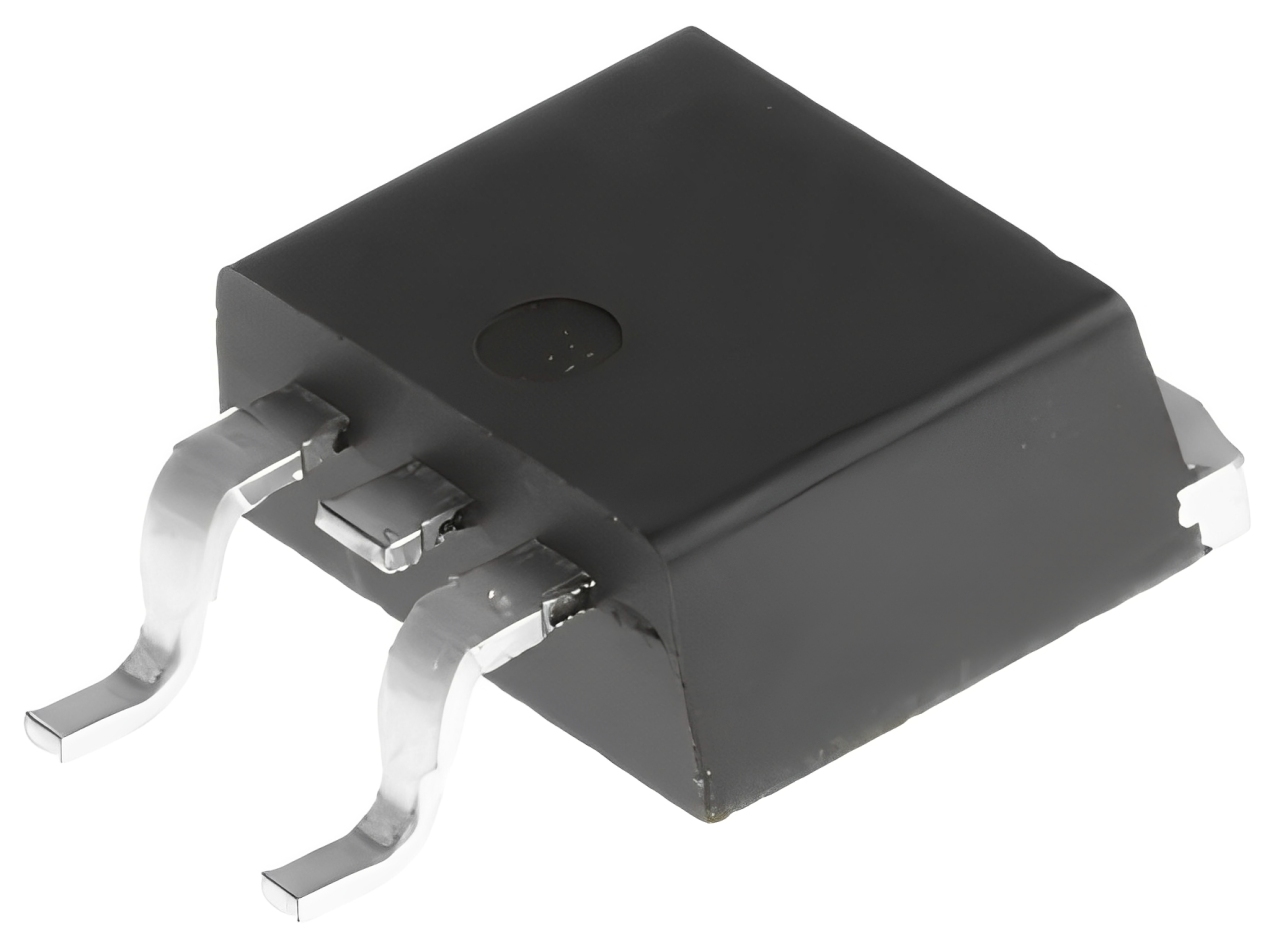
Voltage regulators operate by comparing the output voltage with a reference voltage and making adjustments to keep the output constant. They can be implemented using discrete components or integrated into Power Management ICs. These ICs combine several power regulation functions into a single chip, offering advanced features such as thermal shutdown, current limiting, and fault detection, all of which enhance the reliability and efficiency of the system.
What Are the Main Types of Voltage Regulators?
Voltage regulators come in various types, each suitable for different applications and system requirements.
Linear Voltage Regulators
These regulators provide a constant output voltage by dissipating excess power as heat. They are simple in design and ideal for low-noise applications, but are less efficient for high-power systems.
Switching Voltage Regulators
These regulators use high-frequency switching elements and inductors or capacitors to convert voltages efficiently. They include buck (step-down), boost (step-up), and buck-boost configurations, offering better efficiency than linear regulators, especially in battery-operated devices.
Low Dropout Regulators (LDOs)
A subtype of linear regulators, LDOS require only a slight difference between input and output voltage, making them perfect for systems with tight voltage tolerances.
Programmable Voltage Regulators
These allow users to set different output voltages using external resistors or digital interfaces, providing flexibility in multi-voltage applications.
Fixed Voltage Regulators
Designed to output a pre-defined voltage, they are commonly used in simple, cost-effective systems that do not require variable output.
Where Are Voltage Regulators Commonly Used?
Voltage regulators are found in virtually every electronic system. Their use cases range from everyday gadgets to mission-critical infrastructure.
Consumer Electronics
Smartphones, tablets, laptops, and gaming consoles all rely on voltage regulators to maintain safe and consistent power delivery.
Industrial Equipment
Machinery and automation systems use robust regulators to manage fluctuating supply voltages and ensure system protection.
Automotive Electronics
Vehicles are equipped with multiple voltage regulators to power ECU modules, infotainment systems, and safety sensors under variable engine and battery conditions.
Communication Devices
Routers, modems, and transceivers incorporate regulators to preserve signal integrity and avoid voltage-induced noise.
Renewable Energy Systems
Solar panels and wind turbines use regulators to stabilise output before feeding energy to batteries or the power grid.
What Are the Benefits of Using Voltage Regulators?
Using voltage regulators ensures that sensitive components function within their voltage ratings and prevents damage or malfunction due to surges or drops in voltage. Other major benefits include:
- Power Efficiency: Switching regulators and Power Management ICs reduce power waste and improve battery life in portable devices.
- Thermal Management: Advanced regulators include temperature monitoring and shutdown features that prevent overheating and improve safety.
- Compact Integration: Power Management ICs consolidate multiple regulation and protection functions into a compact chip, saving board space and simplifying design.
- Voltage Precision: High-performance regulators offer tight tolerance output, essential for microcontrollers, FPGAs, and memory modules.
- Noise Reduction: Linear regulators are preferred in audio and RF applications due to their low output noise and ripple.
How Do Power Management ICs Enhance Voltage Regulation?
Power Management ICs (PMICs) are integrated solutions that go beyond simple regulation. These ICs often combine multiple voltage regulators, battery management, power sequencing, and monitoring features in a single chip. In systems with multiple voltage domains, of power delivery, reducing design complexity and enhancing overall efficiency. They are widely used in mobile devices, IoT hardware, automotive electronics, and embedded systems.
PMICs not only regulate voltage but also offer programmable outputs, thermal protection, and communication interfaces such as I2C or SPI, allowing real-time power management via software. This adaptability makes them ideal for advanced systems requiring intelligent power control.
What Factors Should Be Considered When Choosing a Voltage Regulator?
Selecting the right voltage regulator involves evaluating several parameters to match the specific needs of your application.
- Input and Output Voltage Range: Ensure the regulator supports your input voltage and provides the required output voltage level.
- Load Current Requirements: Choose a regulator that can handle the maximum current draw of your load with margin.
- Efficiency Needs: For battery-powered devices, switching regulators offer better efficiency than linear types.
- Thermal Performance: Consider heat dissipation and whether additional heat sinks or thermal pads are necessary.
- PCB Space and Integration: For compact designs, integrated PMICs or small-outline regulators help save space.
- Noise Sensitivity: Use low-noise regulators like LDOs in analog or RF-sensitive applications.
- Protection Features: Look for regulators with built-in protections like overvoltage, short circuit, and thermal shutdown.
Conclusion
Voltage regulators are vital components that ensure electronic systems operate reliably and efficiently. Whether in the form of simple linear devices or complex Power Management ICs, they provide stable voltage, protect sensitive components, and enhance overall system performance. As electronic systems become more complex and power-sensitive, the demand for advanced voltage regulation solutions will continue to grow, making them a cornerstone of modern circuit design.