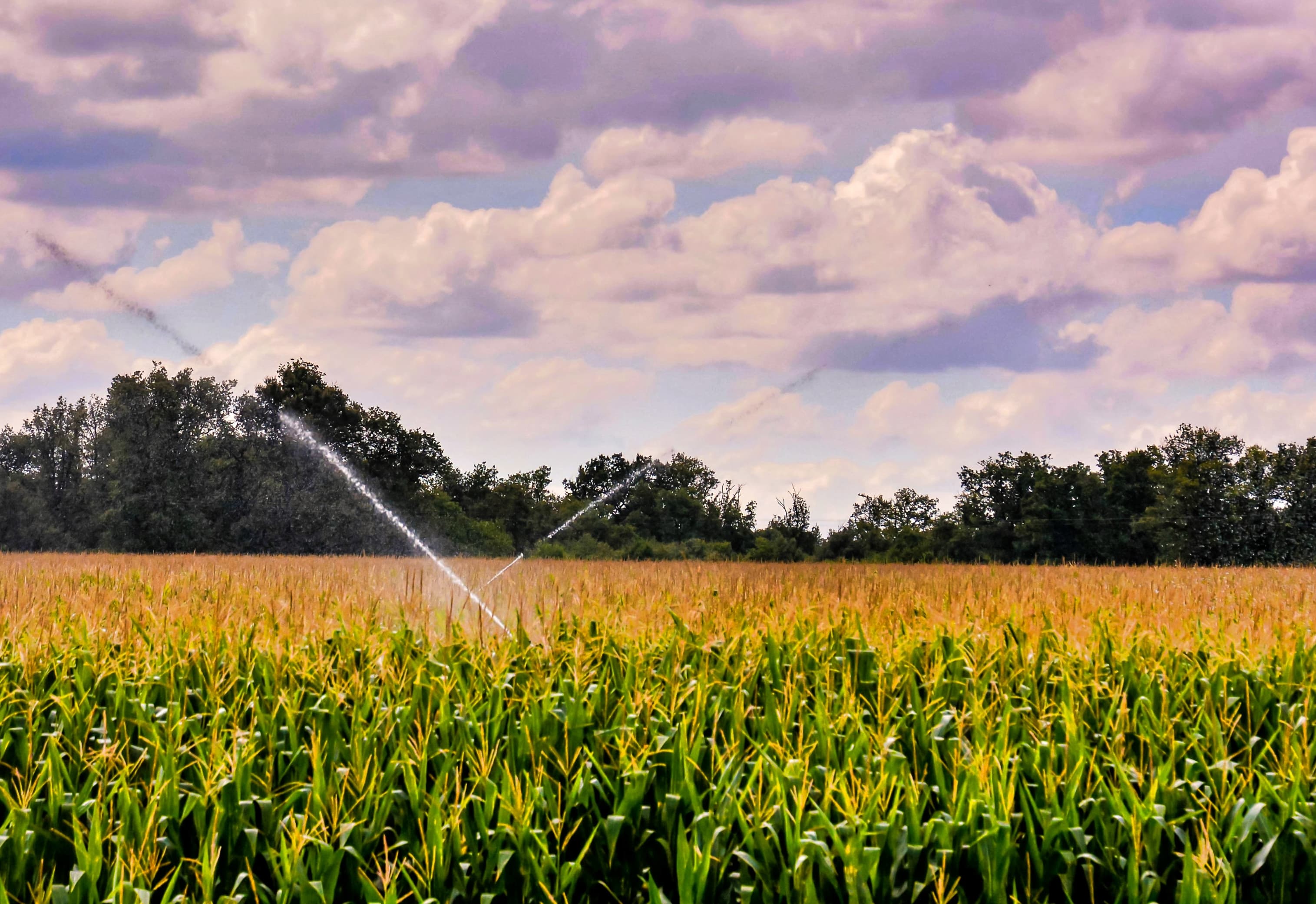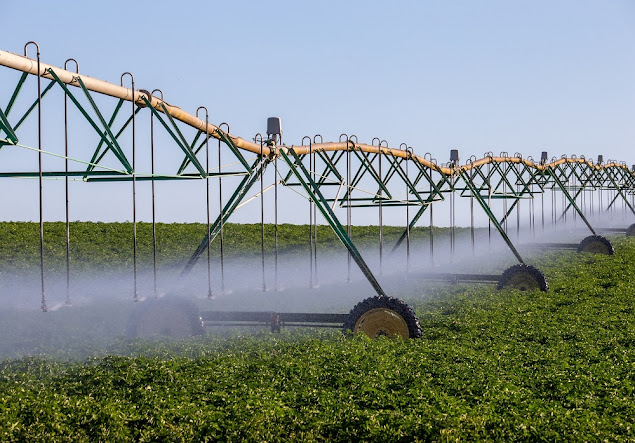



The precision irrigation market is projected to grow from USD 4.18 billion in 2024 to USD 6.29 billion by 2029, registering a CAGR of 8.5% during the forecast period. This growth is driven by increased mechanization and the rising adoption of smart agricultural technologies. According to a 2023 FICCI report, over 95% of farming operations in the U.S. and Canada are now mechanized, enhancing productivity through the use of advanced equipment. Additionally, technologies such as the Internet of Things (IoT) are enabling farmers to remotely monitor and manage irrigation systems via smartphones, facilitating precise water use and scheduling, critical elements for sustainable agriculture. Continued R&D investments and the integration of sprinkler and drip systems are expected to create further growth opportunities in the precision irrigation sector.

Download PDF Brochure: https://www.marketsandmarkets.com/pdfdownloadNew.asp?id=137052497
Fertigation Sensors Leading Sensor Growth
Within the sensor segment, fertigation sensors are experiencing the fastest growth. These sensors are instrumental in optimizing both nutrient and water application by enabling real-time monitoring and adjustments. They support higher crop yields and improved resource efficiency while minimizing environmental impact. As sustainable farming practices become more important, fertigation sensors are gaining traction over traditional options like soil moisture and temperature sensors due to their ability to enable integrated nutrient management.
AI and Machine Learning Driving Technological Innovation
Among technology types, artificial intelligence (AI) and machine learning represent the fastest-growing and most dominant segments. These tools process vast datasets—from field sensors, weather forecasts, and soil conditions—to inform real-time irrigation decisions. Their pattern recognition and adaptive capabilities enable precise water use, reducing waste and improving yield outcomes. Due to their superior predictive performance, AI and machine learning are outpacing other technologies such as IoT, GIS, and cloud computing in the precision irrigation space.
North America dominates the precision irrigation market share.
North America led the global precision irrigation market in 2023, a position fueled by advanced farming practices and substantial investments in irrigation technologies. Key industry players—including Hunter Industries Inc., RainBird Corporation, Valmont Industries Inc., and The Toro Company—are headquartered in the region, driving innovation and expanding market access. According to a July 2023 report by Food and Water Watch, climate change-induced drought and poor water management are severely affecting areas like New Mexico, where industrial agriculture consumes over 80% of the state’s freshwater resources. These challenges are prompting a shift toward more efficient irrigation methods such as precision irrigation.
The report profiles key players such as Valmont Industries, Inc. (US), NETAFIM (Israel), Hunter Industries Inc. (US), The Toro Company (US), Rain Bird Corporation (US), Lindsay Corporation (US), Rivulis (Israel), HydroPoint (US), REINKE MANUFACTURING CO., INC. (US), AZUD (Spain), T-L Irrigation (US), and Mahindra Irrigation (India).