In the complex domain of satellite communications, seamless integration between ground stations and satellites is essential for mission success. The functionality, reliability, and accuracy of this interaction hinge upon robust testing protocols that verify communication paths, data integrity, signal synchronization, and hardware-software compatibility. The process of validating this link is an integral part of Satellite Communications Testing.
Effective SATCOM Testing ensures that every ground station can reliably transmit and receive signals from the satellite, execute command sequences, and process telemetry data in real time. This article explores the various testing protocols for ground station and satellite integration, detailing key strategies, tools, challenges, and evolving trends to achieve operational excellence in modern satellite missions.
The Importance of Ground-Satellite Integration Testing
Ground stations serve as the control hubs for satellites, facilitating the exchange of:
Any misalignment between satellite systems and ground infrastructure can lead to:
Thus, comprehensive Satellite Communications Testing is necessary to validate the full communication loop before launch and throughout the satellite’s lifecycle.
Core Components in Ground-Satellite Communication
Before delving into testing protocols, it’s essential to understand the primary components involved in ground-satellite integration:
1. Satellite Transponders
Receive uplink signals and retransmit them back on different frequencies for downlink.
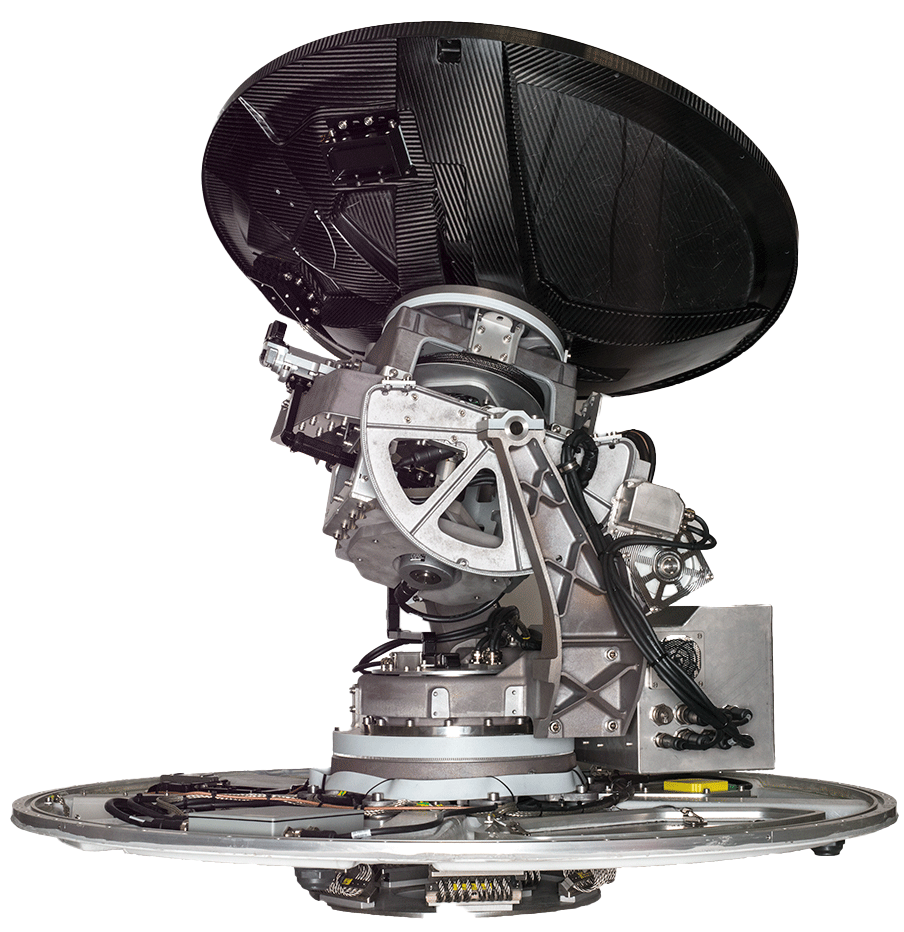
2. Ground Antenna Systems
Track satellites, align beams, and handle RF transmission and reception.
3. Modems and RF Front Ends
Modulate/demodulate data, manage encoding, and handle signal conversion.
4. Telemetry, Tracking & Command (TT&C) Systems
Handle all satellite command and status monitoring functions.
5. Mission Control Software
Executes command sequences, monitors telemetry, and ensures safe operations.
Each of these must be tested together in an integrated environment for fault-free operation.
Key Objectives of Ground-Satellite Integration Testing
The main goals of ground-satellite integration testing within the SATCOM Testing framework include:
Phases of Integration Testing
1. Pre-Integration Preparation
Before physical testing begins, engineers conduct reviews and simulations to:
This step lays the foundation for efficient and meaningful Satellite Communications Testing.
2. Interface Verification
This stage involves testing the electrical, mechanical, and protocol interfaces between the satellite and the ground station systems.
Tests include:
This ensures hardware and software compatibility before full link testing.
3. RF Link Establishment and Validation
In this crucial phase, engineers establish real or simulated RF communication between the ground station and the satellite. Common procedures include:
Tools like spectrum analyzers, BER testers, and modulation analyzers are used to monitor the signal path in real time.
4. Telemetry Testing
Telemetry testing involves verifying that data generated by the satellite (e.g., battery levels, temperature, system faults) can be:
This is often conducted using:
Telemetry validation is a cornerstone of SATCOM Testing, especially for long-term mission monitoring.
5. Command Uplink Testing
Here, the focus is on validating the process of sending commands from the ground station to the satellite and confirming correct execution. Key test elements include:
This phase also evaluates command encryption and access control if the system includes cybersecurity protocols.
6. End-to-End Data Flow Testing
In payload-centric missions (e.g., Earth observation), it’s critical to test the entire data pipeline:
This comprehensive data loop is rigorously tested under real and simulated conditions to evaluate throughput, latency, and error resilience.
7. Handover and Network Coordination
For satellite constellations or multi-ground-station networks, handover testing ensures that:
This is especially important in LEO constellations like Starlink or OneWeb where satellites frequently move in and out of range.
Testing Protocols and Standards
The following standardized protocols guide the testing of satellite and ground station integration:
1. CCSDS Standards (Consultative Committee for Space Data Systems)
2. SLE Protocols (Space Link Extension)
3. ISO/OSI Layers for Space Communications
4. ICDs and Ground Segment Specifications
Testing Tools and Equipment
Effective SATCOM Testing requires an ecosystem of hardware and software tools, including:
These are deployed in both lab and field testing environments.
Challenges in Ground-Satellite Integration Testing
1. Simulating Realistic Orbital Conditions
Orbit simulators are complex and expensive. Inaccurate simulations can give misleading results, especially in testing antenna pointing or Doppler effects.
2. Data Volume Management
Modern satellites generate vast payload data. Testing must ensure that data pipelines can handle high volumes without bottlenecks.
3. Cybersecurity Requirements
Securing command uplinks and telemetry streams adds testing complexity, especially when integrating encryption keys and firewall systems.
4. Latency and Jitter in Long Links
Satellite-ground links, especially for GEO missions, experience high latency. Testing must account for retransmission, buffering, and acknowledgment strategies.
Case Study: Ground Station Testing for a Weather Monitoring Satellite
A national space agency preparing a weather-monitoring satellite conducted extensive SATCOM Testing:
This testing cycle ensured the satellite could perform autonomously with minimal human intervention, even during signal loss or atmospheric disruption.
Automation and Future Trends
1. Automated Test Execution
Scripts and AI-based logic now automate routine testing scenarios:
2. Digital Twin Technology
A real-time digital replica of the satellite and ground system allows dynamic integration testing and training.
3. Cloud-Based Test Environments
Remote ground stations now integrate with cloud testbeds, enabling distributed teams to run integration tests collaboratively.
4. AI-Powered Diagnostics
Machine learning helps predict command failures, detect telemetry anomalies, and simulate failure recoveries in real time.
Conclusion
Testing protocols for ground station and satellite integration are essential to ensure reliable, secure, and high-performing satellite communication systems. Through structured Satellite Communications Testing, engineers verify that every command, telemetry packet, and payload stream functions as intended across the entire communication chain.
Modern SATCOM Testing frameworks incorporate interface checks, real-time RF measurements, command validation, telemetry decoding, and data flow analysis — all within rigorous environmental simulations. With the growing complexity of satellite networks, automated, AI-enhanced, and cloud-integrated testing solutions will lead the way in assuring robust ground-space integration.