In an era defined by multimedia communication, AV (Audio/Video) cables remain a foundational element in connecting devices for sound and image transmission. Whether it's streaming music from your smartphone, delivering crisp audio to a sound system, or linking video equipment, AV cables serve as the critical bridge for quality media performance. As wireless technology continues to evolve, the reliability and fidelity of wired connections, primarily through AV cables, remain unrivalled for many users.
Understanding the different types of AV cables, their construction, and their real-world applications is key to ensuring optimal performance across personal, professional, and industrial environments.
How Do AV Cables Work?
AV cables are designed to transmit analogue or digital signals for both audio and video. The cables typically consist of conductors, shielding, and insulation that preserve signal quality and reduce electromagnetic interference. Different types of AV cables are engineered to suit specific input/output requirements and connector formats. From compact audio systems to professional-grade video setups, the right AV cable ensures smooth and interference-free signal transmission.
What Are the Different Types of AV Cables?
Aux Cables
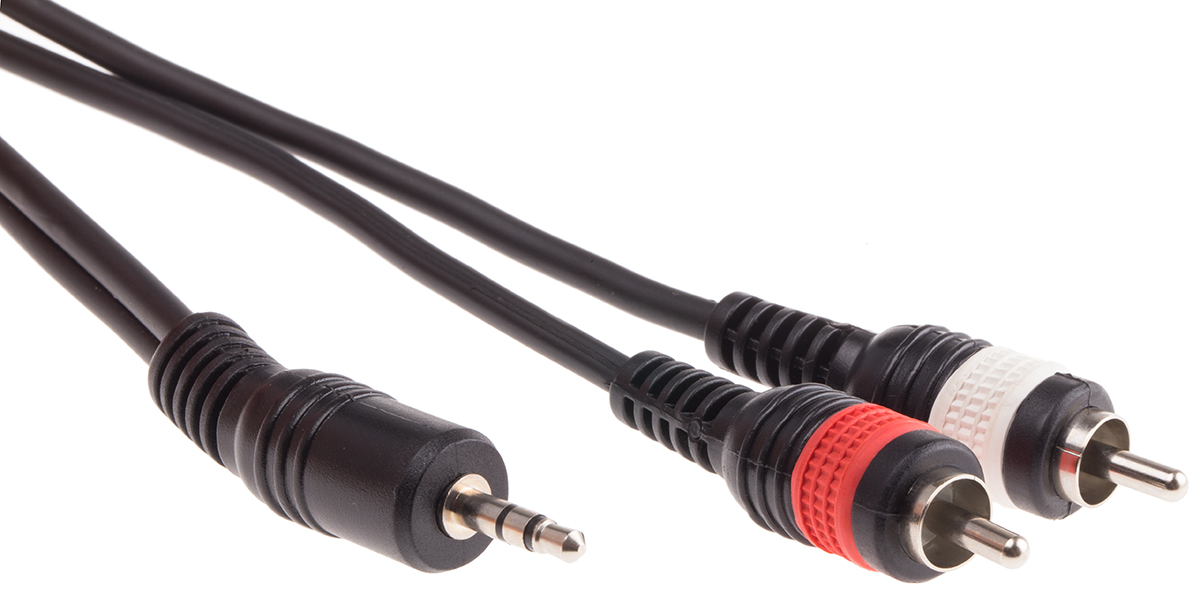
Auxiliary cables, also known as Aux cables, are among the most common AV cables used for audio transmission. These 3.5mm connectors are widely used in smartphones, car stereos, portable speakers, and home theatre systems.
- Ideal for short-distance analogue audio connections
- Lightweight and portable
- Simple plug-and-play interface
- Compatible with nearly all headphone jacks and stereo inputs
Audio Cables
Audio cables are asses various types, including RCA cables, speaker wire, TRS connectors, and optical audio cables. These cables are tailored for multiple applications, from consumer audio gear to high-end studio systems.
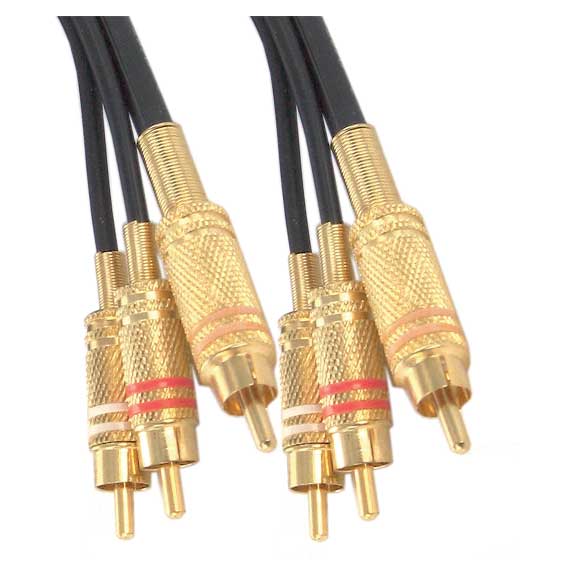
- RCA cables support left and right stereo channels
- Optical (TOSLINK) cables provide digital signal clarity
- Speaker cables carry high-power signals for amplified systems
- TRS connectors are used in professional audio interfaces
XLR Cables
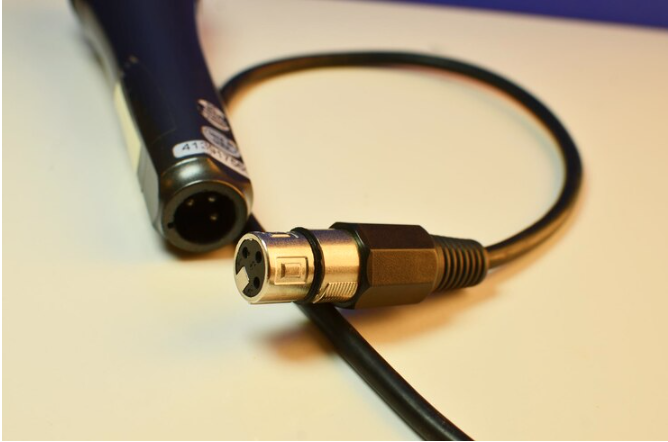
XLR cables are a professional-grade solution primarily used in live audio, broadcasting, and recording studios. With three pins and a locking mechanism, they provide balanced audio transmission, reducing noise and interference.
- Balanced signal output ensures minimal noise over long distances
- Commonly used in microphones, mixers, and PA systems
- Rugged design suitable for stage and event setups
- Secure connection prevents accidental disconnection
DIN Cables
DIN cables are circular multi-pin connectors used in audio, MIDI equipment, and early video systems. They are still found in many legacy and specialised setups today.
- Multi-pin configuration supports multiple channels
- Used in MIDI interfaces and legacy AV devices
- Durable build with secure fit
- Maintains analogue signal integrity
Why Should You Choose the Right AV Cable?
Choosing the correct AV cable ensures your system performs at its best. Improper cable selection can result in degraded signal quality, unwanted noise, or system incompatibility. Whether you’re setting up a home theatre, a professional recording studio, or a presentation system, matching the right cable with your device and use case is essential.
What Are the Key Features to Look For in AV Cables?
- Shielding Quality: Effective shielding prevents electromagnetic interference, especially important in environments with numerous electronic devices.
- Connector Material: Gold-plated connectors resist corrosion and enhance conductivity.
- Cable Gauge: Thicker cables often offer better performance over long distances.
- Flexibility and Durability: High-quality insulation protects against wear, bends, and environmental factors.
What Are the Benefits of Using Quality AV Cables?
- Enhanced Audio and Video Quality: Good cables transmit signals cleanly, improving sound clarity and video resolution.
- Reduced Signal Loss: Premium materials and construction reduce the chances of degradation.
- Better System Compatibility: Reliable connections across a variety of equipment ensure seamless operation.
- Longevity: Durable cables are less likely to fray, snap, or lose performance over time.
- Improved Safety: Proper insulation and shielding minimise short circuits and accidental damage.
Where Are AV Cables Commonly Used?
- Home Entertainment Systems: Connect TVs, soundbars, gaming consoles, and Blu-ray players for immersive media experiences.
- Professional Audio Equipment: Link microphones, mixers, amplifiers, and monitors in studio and live performance environments.
- Automotive Audio Systems: Aux and RCA cables enable the integration of smartphones or players with car stereos.
- Educational and Business Presentations: Connect projectors, speakers, and control panels for classroom or boardroom setups.
- Musical Instruments and MIDI Controllers: DIN and XLR cables link synthesisers, keyboards, and drum machines to audio interfaces.
How to Maintain AV Cables for Long-Term Use?
- Avoid Excessive Bending: Store cables coiled loosely to prevent internal wire breakage.
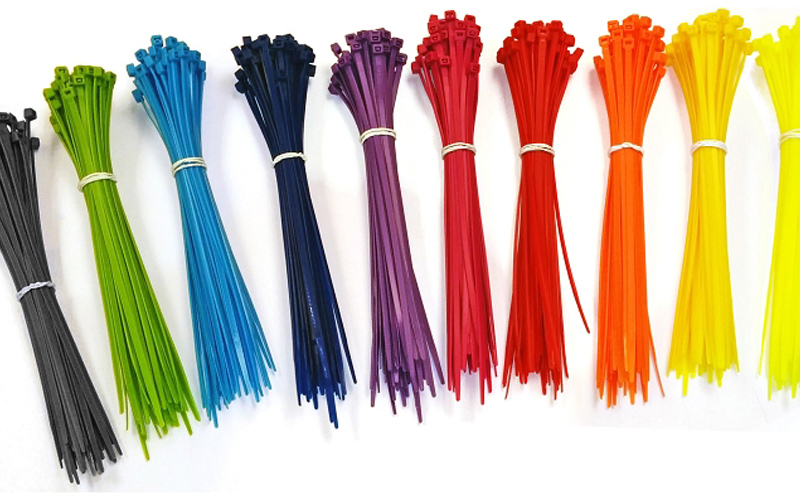
- Use Cable Management Tools: Velcro straps or cable organisers help prevent tangling.
- Keep Connectors Clean: Regularly wipe terminals with a soft, dry cloth to maintain contact quality.
- Label Cables in Complex Setups: Especially useful in studios or AV racks to quickly identify connections.
What Factors Influence the Choice of AV Cables?
- Device Compatibility: Ensure both ends of the cable match the input/output ports.
- Length Requirements: Longer cables may need better shielding or higher gauge to avoid quality loss.
- Signal Type: Digital or analogue transmission dictates the cable type and quality needed.
- Application Environment: Outdoor, stage, or industrial uses demand more rugged designs.
Final Thoughts
In the rapidly evolving world of digital media and sound systems, AV cables remain indispensable for reliable and high-quality signal transmission. While wireless technology offers convenience, the precision and consistency provided by cables like Aux, Audio, XLR, and DIN remain unmatched for many applications. Understanding their roles and choosing the right type ensures that your equipment performs to its full potential, whether you're a casual listener, professional musician, or tech-savvy presenter.

‘Cutting the cord’ is the trend.However, certain products are simply not there yet.If we talk about televisions, even modern day ones that literally roll out of sight, they have to use cables for power, for additional I/O needs, etc.The new age televisions that roll out of sight, or stick to walls like posters, still have to have some way of connecting other devices to them.
So, we are nowhere near getting rid of cables altogether yet.
The cables themselves have evolved over the years.
There are of course cables that are simply audio, like the much controversial 3.5 mm headphone cable.
Then there are also solutions for managing both the audio and video, together.So, if we have come this far, why do televisions still have the dated red, yellow and white ports?
Therefore, there is one cable for each channel you may want to add to your set up, including a certain number of subwoofers if that’s your requirement.