





Summary
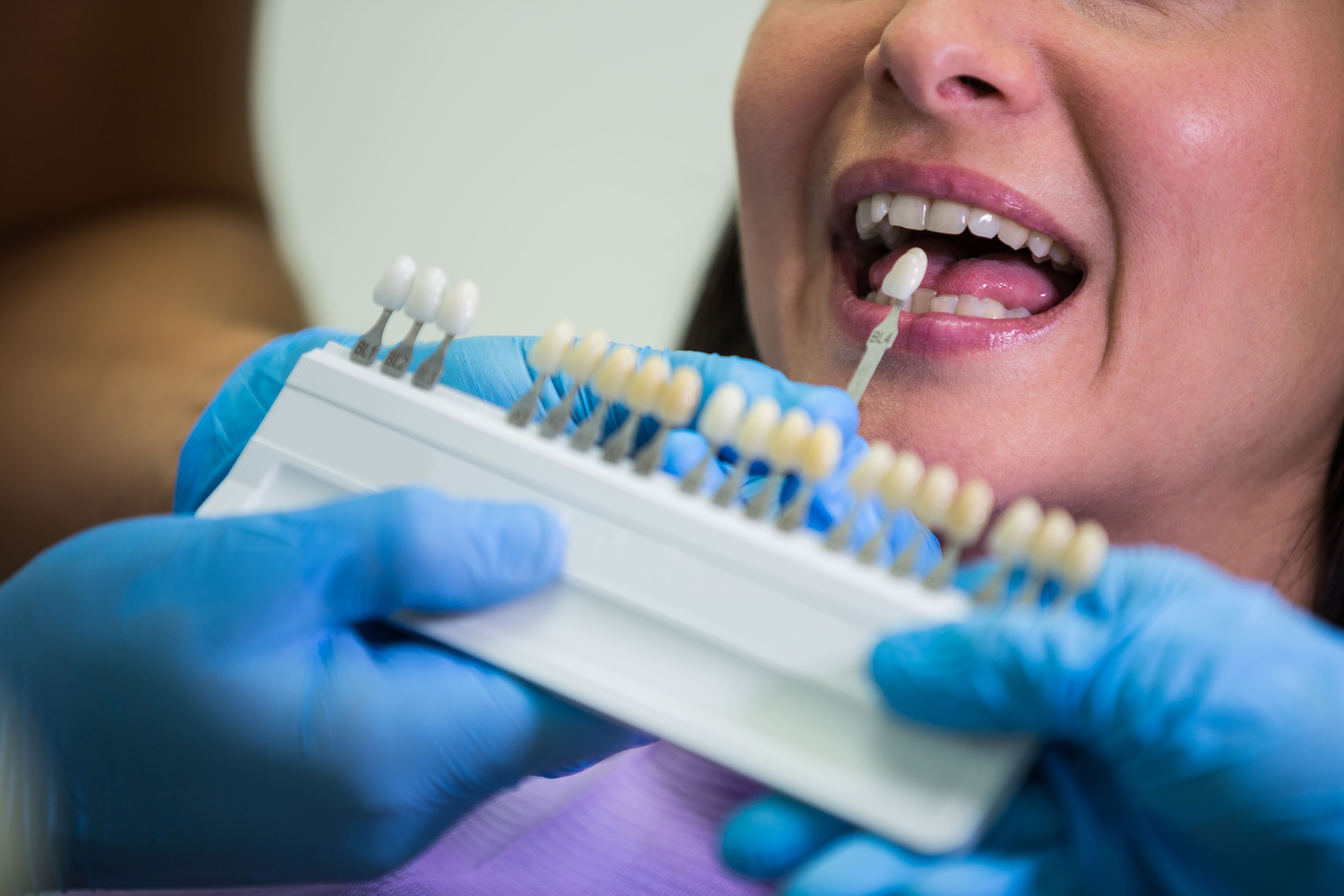
When a tooth needs protection and healing, dental temporary cement steps in as a hero. It seals and shields, giving the tooth time to recover, especially during procedures like indirect pulp capping. Paired with quality dental whitening products in India, it supports healthy teeth and confident smiles.
When it comes to dental treatments, the goal is simple: protect the tooth and keep things as natural as possible. One technique that helps do just that is indirect pulp capping—a method used when tooth decay gets close to the nerve but hasn’t reached it. It's about giving your tooth a chance to heal instead of going straight for invasive options like root canals. Believe it or not, dental temporary cement plays a quiet but powerful role in making this work.
What Is Indirect Pulp Capping?
Think of it like giving your tooth a second chance. When decay is deep but the nerve (pulp) is still intact, dentists remove most of the damaged part, leave behind a thin layer to avoid hitting the nerve directly, and place a gentle healing material over it. Then, they use temporary cement to seal it all while your tooth does some natural healing.
This isn’t just a filler—it’s the barrier that keeps out bacteria, saliva, and everything else that could slow down healing.
Why Temporary Cement Isn’t So Temporary?
Although it's called “temporary”, this cement isn’t just a short-term fix. Good-quality dental temporary cement is designed to do some heavy lifting. It shields your tooth, lowers sensitivity, and allows the pulp (the tooth's inner nerve) to rest and recuperate.
Modern versions are often free from eugenol (which can interfere with some bonding agents) and are gentle on sensitive teeth. Some even have added ingredients like tannin fluoride that seal the tiny tubes inside your teeth, reducing the risk of irritation or infection.
And yes, dentists love it because it’s easy to apply, holds up under pressure, and is easy to clean when it’s time to move to a permanent restoration.
The Role of Temporary Cement in Cavity Sealing
It’s not just about pulp capping. Temporary cement is also used when a dentist needs to monitor a tooth over time or space out treatments. Maybe you’re waiting for a crown, or your dentist wants to see how your tooth reacts before making things permanent.
Whatever the case, using temporary cement to seal the cavity keeps bacteria and moisture out while also providing a break from daily wear and tear on your tooth.
Caring for Your Smile, Inside and Out
While all this talk of healing and sealing sounds clinical, it’s about making sure you keep your natural smile for as long as possible. Once the restorative work is done, many people look to improve their smile with whitening treatments.
That’s where dental whitening products in India that patients trust come into the picture. After all, it’s not just about fixing problems—it’s also about feeling confident when you smile.
So, whether it’s a temporary fix or a final polish, today’s dental care is about blending function and aesthetics in a way that supports your well-being.
Giving Teeth a Second Chance
Let’s say you have gone in for a check-up and your dentist finds decay that’s deeper than expected. It is close to the nerve, but the tooth isn’t showing any serious symptoms yet. Instead of removing everything and risking damage to the pulp, your dentist may leave a thin layer of affected dentin in place and apply a medicated material on top. Then, they seal it in with dental temporary cement.
Why? Because this protective layer creates a safe environment where the tooth’s pulp has a chance to heal naturally. It buys time—and sometimes, that’s what the body needs to do its job.
More Than Just a Patch Job
Despite the name, temporary cement does more than just “hold things together for now”. Modern formulations are designed to support healing, prevent infection, and maintain a clean, dry seal around the treatment site.
Many of these cements are non-eugenol-based, making them ideal for sensitive patients and future bonding procedures. Others are enhanced with tannin-fluoride technology to seal dentinal tubules—those tiny, microscopic channels inside your tooth that lead to the nerve. When sealed properly, these tubules are likely to trigger pain or inflammation.
The best part? Temporary cement is user-friendly. It sets quickly, doesn’t leave behind unpleasant odours or tastes, and can be easily removed when it’s time for a permanent filling or crown.
Protect Your Smile the Right Way – Trust the Power of Dental Temporary Cement
Dental temporary cement might not get the spotlight, but it plays a vital supporting role in protecting your teeth during treatment. It gives your tooth time to heal, shields it from harmful bacteria, and makes sure everything stays in place until it’s time for something permanent.
When paired with high-quality products, like trusted dental whitening products in India, it helps you not only keep your teeth healthy but also feel great about the way your smile looks.
Because at the end of the day, dental care isn’t just about drills and fillings—it’s about comfort, confidence, and keeping things as natural as possible for as long as possible.


Hold your search if you are looking for Dental Clinic in Abu Dhabi.
We provide the best solutions for dental problems like dental implants, teeth whitening, dental filling, tooth extraction, veneers, bleaching, aligners, and surgery, etc.