
In today’s digitally driven legal landscape, law firms and solo practitioners are constantly seeking efficient and cost-effective ways to manage their workloads. One of the most impactful solutions emerging in recent years is the rise of virtual paralegal services. But what exactly are these services, and how do they function within the modern legal environment?
What Are Virtual Paralegal Services?
Virtual paralegal services refer to the provision of paralegal support remotely rather than in-house. These services are typically offered by freelance paralegals, independent contractors, or specialized companies that connect legal professionals with experienced support staff. Virtual paralegals perform many of the same duties as their on-site counterparts, such as conducting legal research, drafting documents, organizing case files, and managing court filings.
The key difference lies in the mode of delivery—virtual paralegals work from a remote location, using cloud-based software and communication tools to stay connected with attorneys and clients.
Services Offered by Virtual Paralegals
Virtual paralegals offer a wide array of services, often tailored to the specific needs of law firms, including:
Legal Research: Investigating statutes, case law, regulations, and legal precedents.
Document Preparation: Drafting pleadings, discovery responses, contracts, and legal correspondence.
Case Management: Organizing evidence, creating case timelines, and maintaining case files.
E-Filing and Court Procedures: Submitting documents to courts and managing procedural compliance.
Administrative Support: Scheduling, transcription, and client communication assistance.
These services are not only beneficial to attorneys but also to corporate legal departments and nonprofit legal organizations.
How Do Virtual Paralegal Services Work?
Virtual paralegal services are designed to integrate seamlessly with a law firm’s operations. Here’s how the typical workflow looks:
Initial Consultation: Lawyers or firms reach out to a virtual paralegal service provider and discuss their specific needs. This includes the scope of work, deadlines, and any confidentiality or compliance requirements.
Assignment and Onboarding: Once the tasks are agreed upon, the virtual paralegal is assigned. The onboarding process involves sharing access to relevant documents, case management systems, or proprietary tools needed for collaboration.
Task Execution: The virtual paralegal completes the assigned tasks remotely, using secure cloud platforms for document sharing and communication. Tools like Clio, MyCase, Dropbox, or Microsoft Teams often facilitate collaboration.
Review and Revisions: Attorneys review the completed work, suggest revisions if necessary, and finalize the documents for use in legal proceedings.
Billing and Communication: Virtual paralegal services typically charge hourly rates or offer flat-fee packages. Clear communication protocols are established, often with regular check-ins via email, phone, or video conferencing.
Benefits of Virtual Paralegal Services
Cost Efficiency: Law firms save on overhead costs such as office space, employee benefits, and training.
Flexibility: On-demand support is available without long-term commitments.
Scalability: Easily scale paralegal support during peak periods like trial preparation or discovery deadlines.
Access to Specialized Skills: Virtual paralegals often have expertise in niche areas of law such as immigration, intellectual property, or family law.
Improved Work-Life Balance for Attorneys: Delegating administrative and legal tasks frees up time for client strategy and court appearances.
Considerations Before Hiring
While virtual paralegal services offer many advantages, it’s important to assess:
Credentials and Experience: Ensure the paralegal is certified and experienced in the relevant legal field.
Security Measures: Verify the use of secure communication and data storage systems to protect client confidentiality.
Jurisdictional Knowledge: The paralegal should be familiar with the laws and court rules of your jurisdiction.
Conclusion
Virtual paralegal services are transforming the legal support landscape by offering high-quality, flexible, and affordable solutions to legal professionals. As remote work continues to gain momentum, these services are becoming an essential resource for firms looking to streamline operations and enhance productivity without compromising on quality.



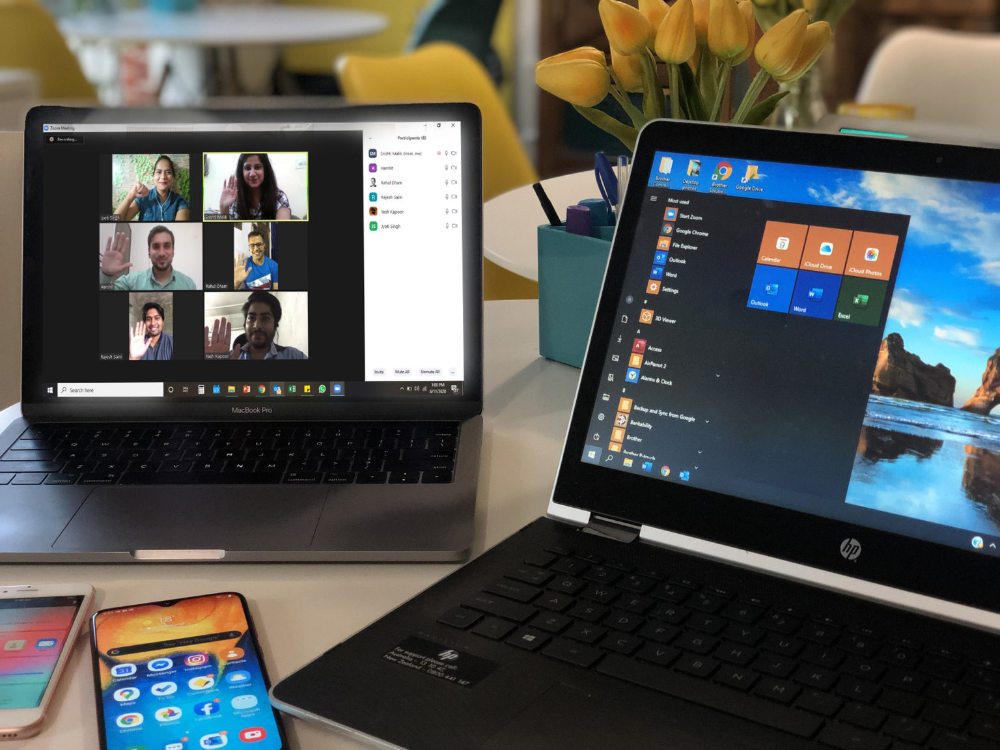
In the new order of world affairs, events have taken a different shape altogether.
To keep people’s spirits high and bring them together at a seamless platform is where the virtual events shine bright.Virtual events are online events often featuring webinar and webcasts, ranging from small meet-ups to large scale conferences.
Virtual events are the best way to reach out to a large-scaled audience or even create buzz for prospective attendees.