Your mattress is a big investment—one you likely use every single night. A mattress protector is a simple, affordable way to keep your bed clean, comfortable, and in great shape for years to come. But with so many types on the market—waterproof, cooling, hypoallergenic, and more—how do you choose the right one? In this guide, we’ll break down the most important features to consider when buying a mattress protector and help you find the best option for your sleeping style and needs.
What Is a Mattress Protector?
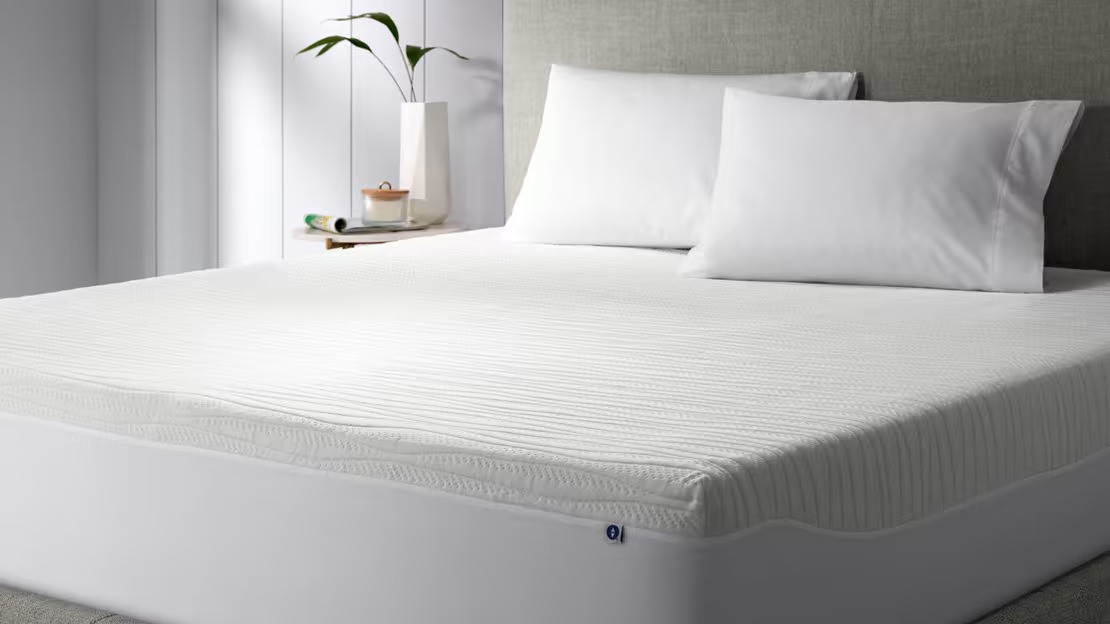
A mattress protector is a thin, removable cover that fits over your mattress to shield it from spills, allergens, sweat, dust mites, and everyday wear and tear. While some are designed for comfort, most focus on protection and hygiene—helping you sleep cleaner and extend the life of your mattress.
Top Features to Consider
1. Waterproof Protection
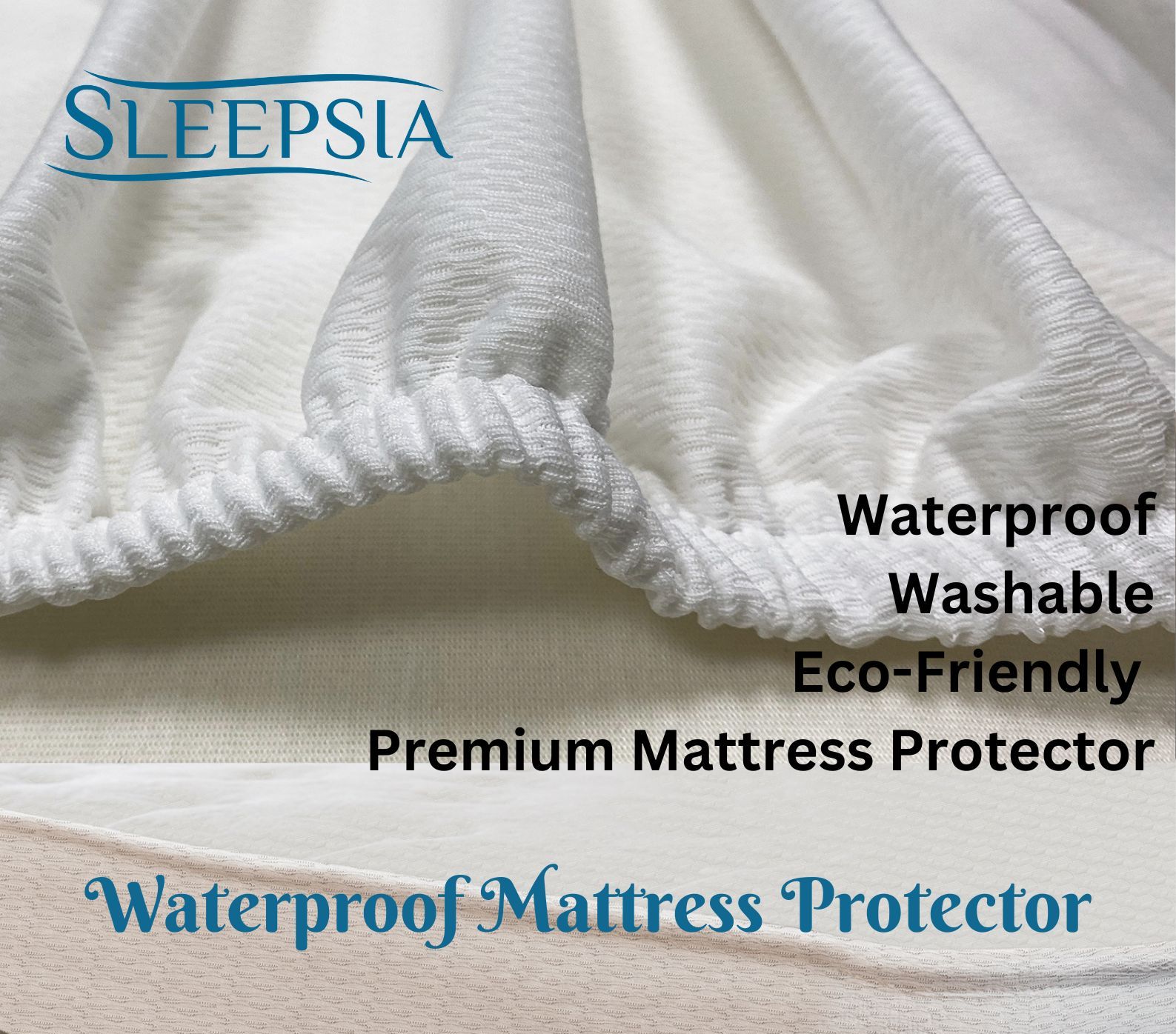
If you have kids, pets, or are simply prone to spills, a waterproof mattress protector is essential. Look for models with a quiet, breathable waterproof barrier made from TPU (thermoplastic polyurethane) instead of noisy plastic.
Best for: Families, pet owners, anyone looking to protect against liquids.
2. Cooling Materials
Do you wake up hot or sweaty during the night? A cooling mattress protector can help regulate temperature and wick away moisture. Materials like bamboo, Tencel, or cooling gel-infused fabrics are ideal for hot sleepers.
Best for: People who overheat at night or live in warm climates.
3. Hypoallergenic Features
For allergy sufferers, choosing a protector that blocks dust mites, pollen, and pet dander is a must. Hypoallergenic protectors made from organic cotton, bamboo, or other breathable materials are often chemical-free and gentle on sensitive skin.
Best for: Allergy-prone individuals or those with asthma.
4. Fit and Design
Make sure the protector fits your mattress size and depth. Options include:
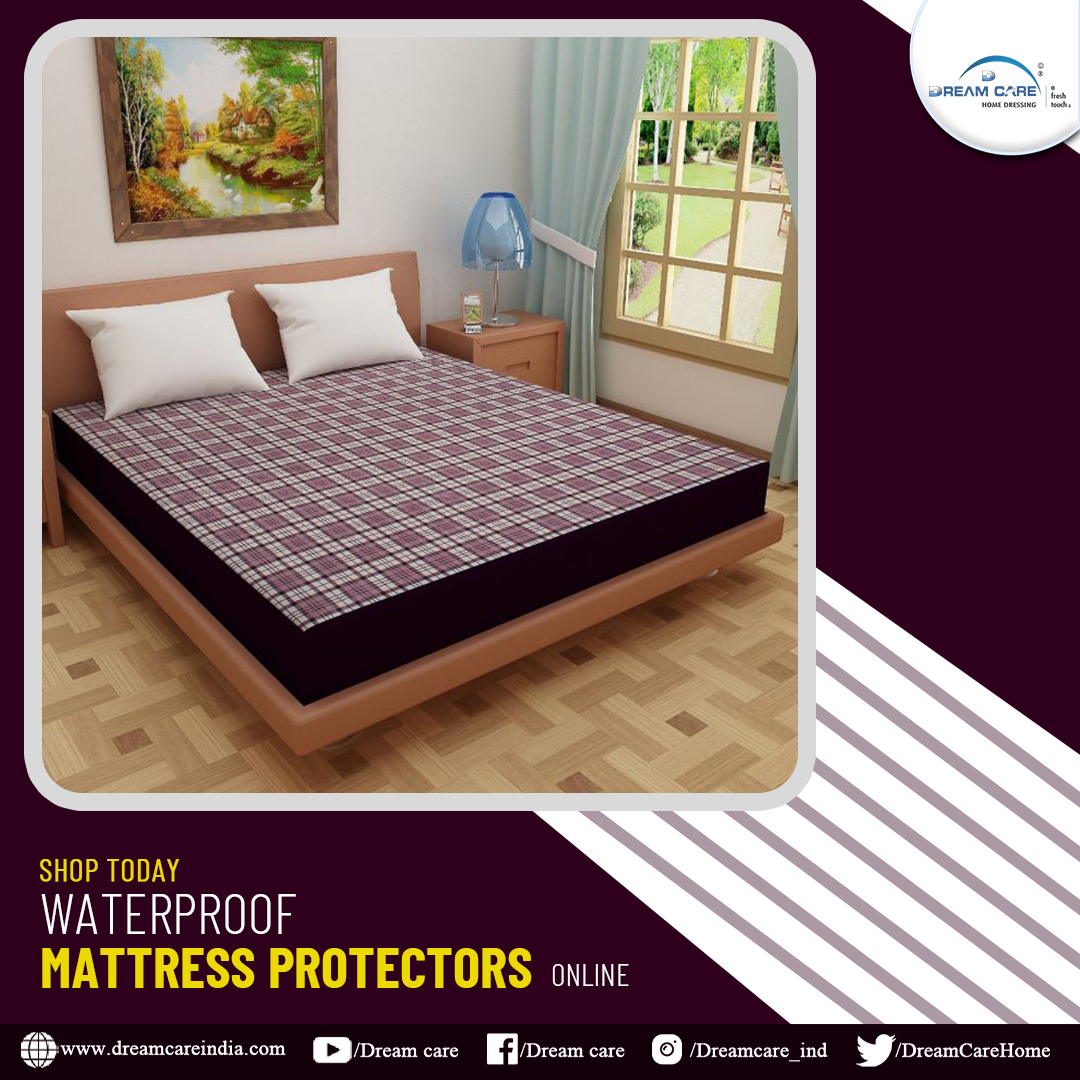
- Fitted Sheet Style: Easy to take on and off.
- Zippered Encasement: Offers full coverage against bed bugs and allergens.
- Deep Pocket Designs: Great for thick or pillow-top mattresses.
Always measure your mattress before buying to ensure a snug fit.
5. Noise and Comfort
A good protector shouldn’t feel like a plastic sheet. Look for soft, noiseless materials like terry cotton or quilted tops that add comfort without altering the feel of your mattress.
Pro tip: If you're a light sleeper, avoid vinyl or low-quality waterproof layers.
6. Easy Maintenance
Choose a protector that’s machine washable and durable enough to handle frequent washes without shrinking or losing effectiveness. Many protectors can go straight into the dryer, making them easy to maintain.
Final Thoughts
Choosing the right mattress protector depends on your specific needs. If you need spill protection, go waterproof. If you’re a hot sleeper, choose a cooling fabric. And if allergies are a concern, opt for a hypoallergenic material.
A high-quality mattress protector won’t just extend the life of your mattress—it will also improve your sleep by keeping your bed cleaner and more comfortable.