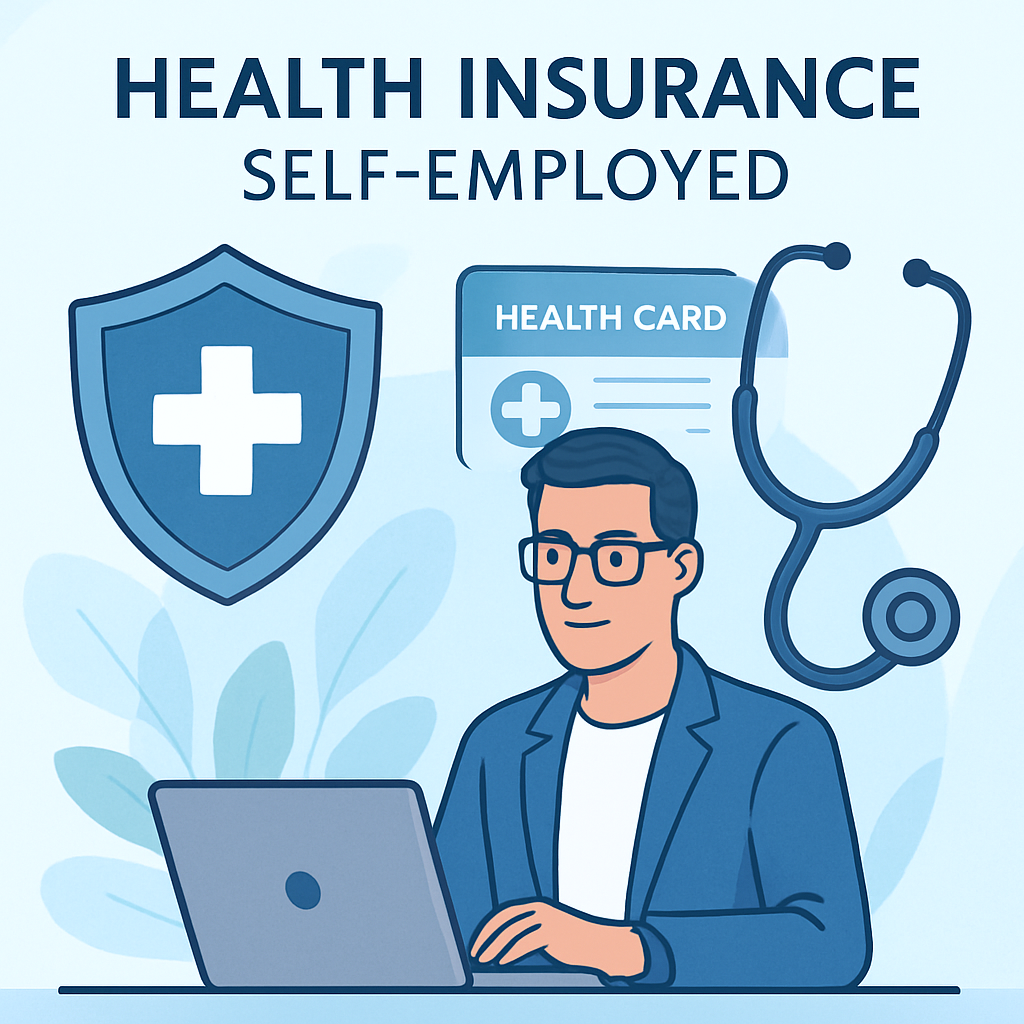
Finding and managing health coverage as an independent worker can be overwhelming. Unlike traditional employees, self-employed individuals must navigate the healthcare system without the support of an HR department or group plans. Understanding your rights and the available options is crucial for ensuring adequate protection and avoiding unnecessary expenses. Whether you're a freelancer, consultant, or small business owner, knowing the rules around health insurance for self-employed individuals is the first step to securing your peace of mind.
Your Right to Purchase Health Insurance
As a self-employed worker, you have the legal right to purchase health insurance through the Health Insurance Marketplace under the Affordable Care Act (ACA). This means you're entitled to access the same health plans as any other citizen, including those that offer essential benefits like preventive care, mental health support, and prescription coverage.
One significant advantage is that you cannot be denied coverage based on pre-existing conditions. This protection ensures that freelancers and gig workers have the same opportunity for care as those working in corporate settings. Additionally, many self-employed individuals qualify for subsidies based on income, which can drastically reduce monthly premiums.
Self-Employed Health Insurance Deduction
One of the most beneficial tax breaks available is the self-employed health insurance deduction. If you report a net profit for the year, you may be able to deduct 100% of your health insurance premiums, including dental and long-term care policies. This deduction is available whether you itemize or take the standard deduction and applies to your spouse and dependents as well.
This tax advantage helps reduce your taxable income and can significantly lower your annual tax bill. It’s wise to consult a tax advisor to ensure you're maximizing your deductions legally and efficiently.
Exploring Plan Options: Marketplace vs. Private Plans
The Marketplace isn’t your only option. You can also explore private insurance plans, health-sharing ministries, or even join associations that offer group-rate plans to members. Comparing these options is important since costs, coverage levels, and provider networks can vary widely.
For those living in Texas, for example, Self-Employed Health Insurance in Plano offers several tailored options through local brokers. These regional providers often understand the unique needs of small business owners and offer plans that balance cost and coverage effectively. Look for plans that give you flexibility, especially if your income fluctuates throughout the year.
COBRA and Other Coverage Continuation Options
If you recently left a job to become self-employed, you might qualify for COBRA continuation coverage. COBRA lets you keep your previous employer's plan for up to 18 months, although you’ll be responsible for the full premium. This can be a helpful short-term solution while you explore more affordable long-term plans.
Special Enrollment Periods (SEPs) also give self-employed individuals an opportunity to enroll in a health plan outside the usual open enrollment window. Events like losing job-based coverage or experiencing a major life change (marriage, divorce, childbirth) can trigger an SEP
Know Your Rights and Stay Protected
It’s easy to overlook your health coverage when juggling invoices, taxes, and client meetings. However, knowing your rights can help you make informed decisions that protect both your health and your financial stability. You're not alone—many freelancers face similar challenges, and there are support systems available to guide you through.Staying informed about health insurance for self-employed individuals empowers you to take control of your healthcare needs.
If you live in Texas, exploring Self-Employed Health Insurance in Plano might open up localized options that fit your lifestyle and budget. As the nature of work continues to shift, having the right coverage is not just smart—it’s essential.