



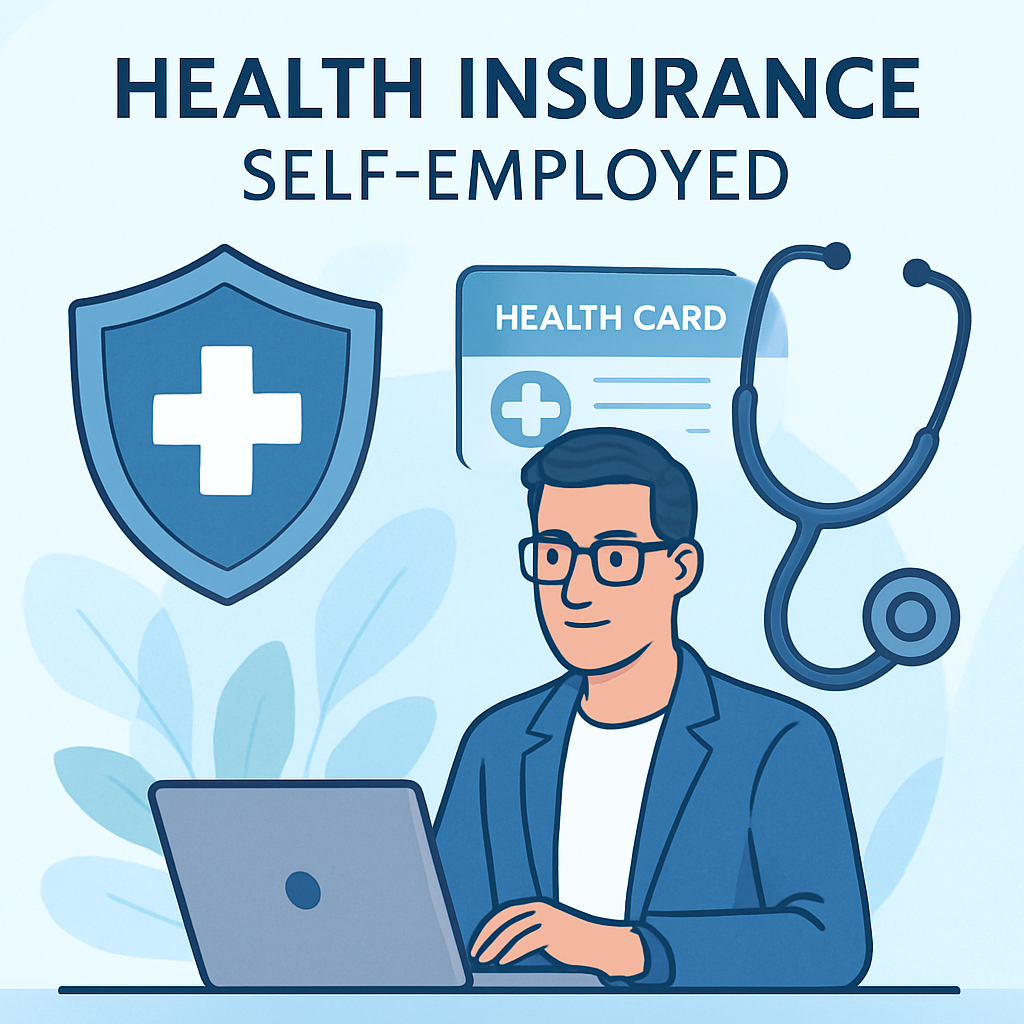
Navigating health insurance as a self-employed individual can feel like walking a tightrope. The costs can be high, and understanding the financial perks often gets overlooked. If you run your own business in Texas, knowing how self-employed health insurance in Plano can impact your taxes might save you more than just a few dollars; it can significantly improve your bottom line.
Self-employed health insurance offers unique tax advantages that aren’t available to traditional employees. By exploring these benefits, you can make smarter decisions about your coverage while lowering your taxable income.
Deduct Premiums Directly from Income
One of the most significant advantages of self-employed health insurance is the ability to deduct premiums directly from your income. This means you can subtract the cost of your monthly premiums for yourself, your spouse, and dependents from your total income before taxes.
Unlike employee-provided insurance, which may involve after-tax contributions or pre-tax deductions through payroll, self-employed individuals can take this deduction directly. This reduces your adjusted gross income (AGI), which in turn may lower the amount you owe in federal income taxes. For self-employed individuals, this can be a substantial saving, especially if you have a family to cover.
Lower Your Taxable Income with Other Business Expenses
Self-employed individuals often overlook that health insurance premiums can be counted alongside other business-related expenses. If you run a sole proprietorship, partnership, or an LLC taxed as a sole proprietorship, your premiums can be deducted on your Schedule 1 of Form 1040.
This deduction isn’t just limited to premiums. Some plans allow you to factor in certain medical and dental costs directly linked to your business. While it doesn’t cover every medical expense, combining eligible health insurance costs with other business deductions can effectively lower your taxable income, leaving more cash in your pocket.
Qualify for Premium Tax Credits
Depending on your income level and the plan you choose, self-employed individuals may also qualify for premium tax credits. These credits are designed to make coverage more affordable, especially if your income fluctuates throughout the year. By carefully assessing your income and the cost of health insurance for the self-employed, you may reduce not only your taxable income but also your overall health insurance expenses.
While the rules for premium tax credits can be intricate, the key takeaway is that self-employed individuals in Plano have multiple ways to offset insurance costs. Working with a tax professional or using reputable software can ensure you don’t miss out on these potential savings.
Deduct Health Insurance for Family Members
If you’re self-employed and covering your family, the tax benefits extend beyond just yourself. Premiums paid for a spouse, children under 27, or other dependents can also be deducted. This makes self-employed health insurance in Plano an even more attractive financial strategy.
It’s worth noting that to qualify for these deductions, you cannot claim the premiums as part of an employee plan elsewhere. The coverage must be solely under your self-employed business. Following the IRS guidelines carefully ensures that you remain compliant while maximizing your tax advantages.
Maximize Retirement Contributions with Health Insurance Deductions
While the two may seem separate, your health insurance deductions can also indirectly impact your retirement planning. Lower taxable income from deductible premiums may help you free up additional funds for retirement accounts like SEP IRAs or solo 401(k)s. This dual benefit helps you secure both your health and financial future simultaneously.
Wrapping Up
Understanding the tax benefits of self-employed health insurance is more than just a smart move; it’s essential for managing your finances effectively. From reducing your taxable income to potentially qualifying for premium tax credits, health insurance for self-employed individuals in Plano offers significant financial advantages. By strategically integrating these deductions into your tax planning, you not only protect your health but also improve your overall financial stability.
If you’re self-employed and seeking to make the most of your insurance and taxes, reviewing your options regularly is key. The right plan paired with the correct deductions can lead to meaningful savings and greater peace of mind.



Mattress protectors are trendy these days.
It serves as a barrier against spills, germs, and allergies.
These covers fit over the mattress like a bed sheet and fully encases it.
If you put this cover on your mattress, it will protect it from dust, dirt, and insects.
It can be a safeguard for your mattress if you have children or pets at home.The most significant advantage of mattress protectors is that they are usually liquid-proof.
We spend 8 to 10 hours every day in bed.