How Interactive Flat Panels Enhance Flipped Learning Environments
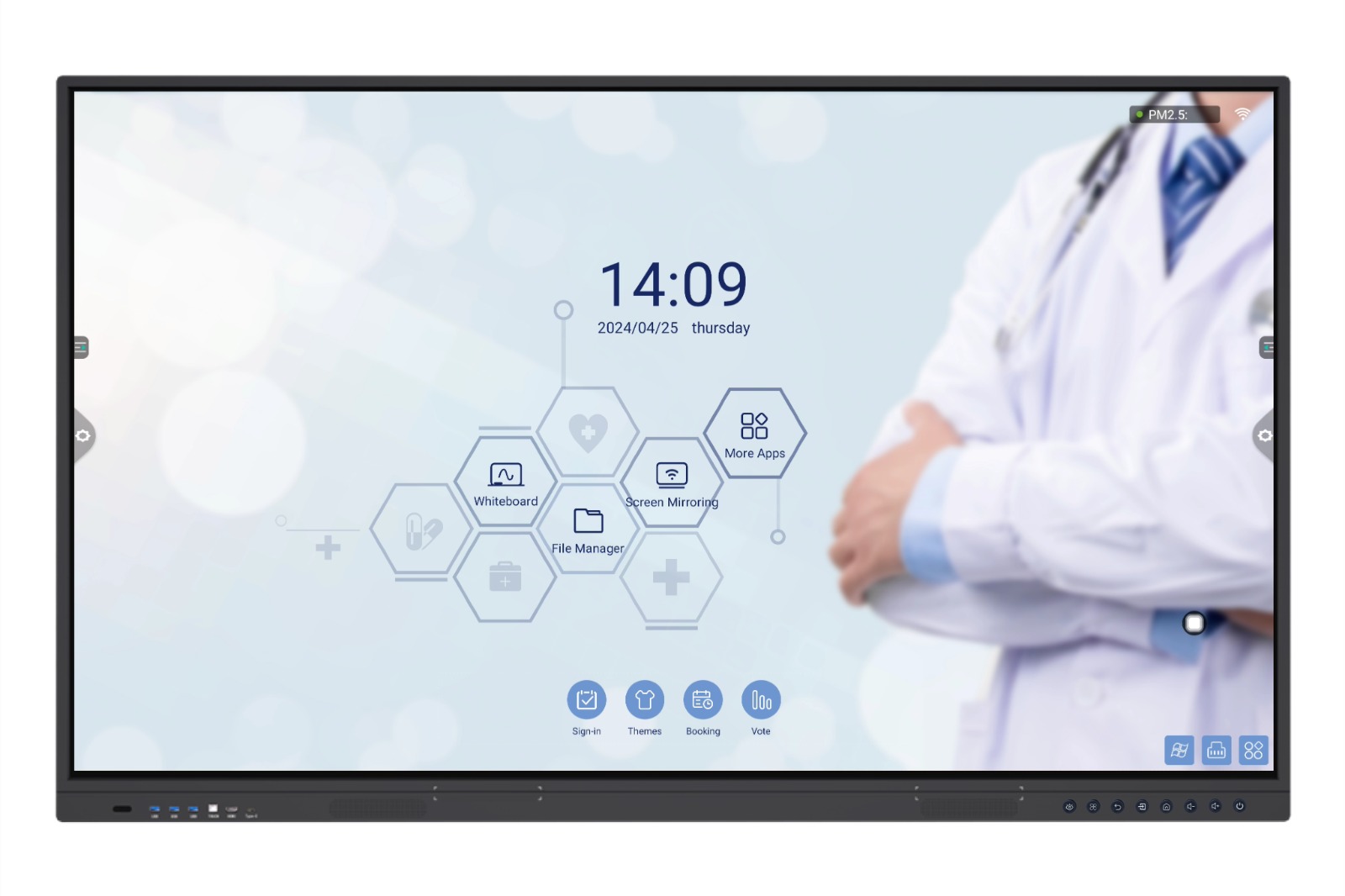
The flipped classroom model is reshaping education by reversing the traditional teaching approach. In this student-centered method, learners explore content at home—typically through video lessons—and use classroom time for discussion, practice, and collaboration. Interactive Flat Panel Display (IFPDs) play a crucial role in making flipped learning more engaging, interactive, and effective.
Empowering At-Home Learning
With IFPDs, educators can easily create and record video lessons, tutorials, and presentations that students can access at home. Teachers can:
This allows students to learn at their own pace, revisit materials, and come to class better prepared.
Maximizing Class Time for Active Learning
IFPDs transform in-class sessions into dynamic, hands-on learning experiences:
This fosters critical thinking, communication, and deeper understanding—all key goals of flipped learning.
Real-Time Feedback and Assessment
One of IFPDs' strongest features is their ability to provide immediate, visual feedback. Teachers can:
This helps educators better support individual learning needs in real time.
Supporting Diverse Learning Styles
Flipped learning with IFPDs is highly adaptable. Visual learners benefit from video and diagram-based instruction, while kinesthetic learners thrive through hands-on screen interaction. Auditory learners can replay explanations as needed, and collaborative learners benefit from team activities and discussions.
Conclusion: Creating Engaged, Independent Learners
Interactive Flat Panels are a perfect complement to the flipped classroom model. They support personalized, active, and collaborative learning, shifting the focus from teacher-led instruction to student-driven discovery. With IFPDs, flipped classrooms become spaces where students don’t just absorb content—they interact with it, apply it, and own it.