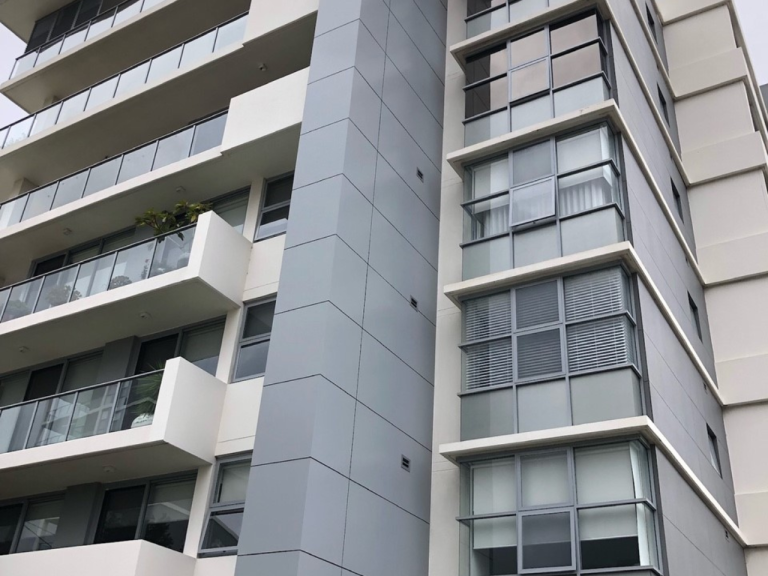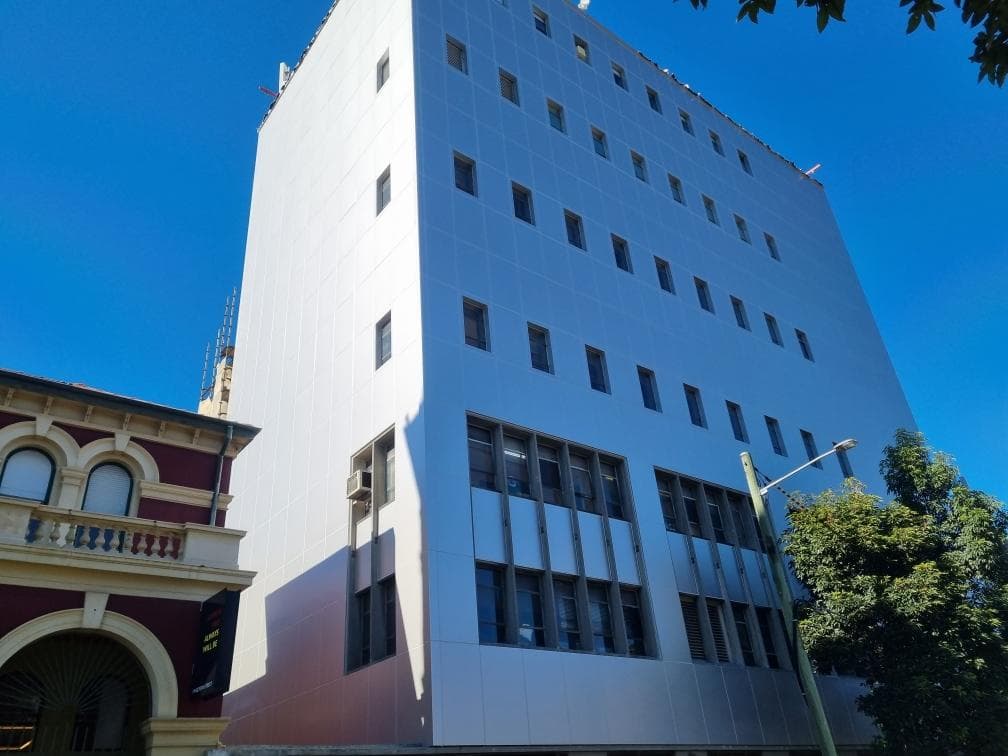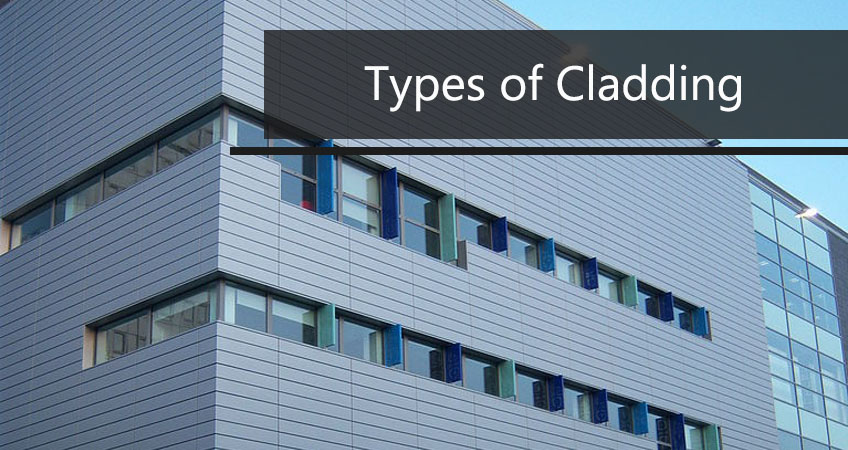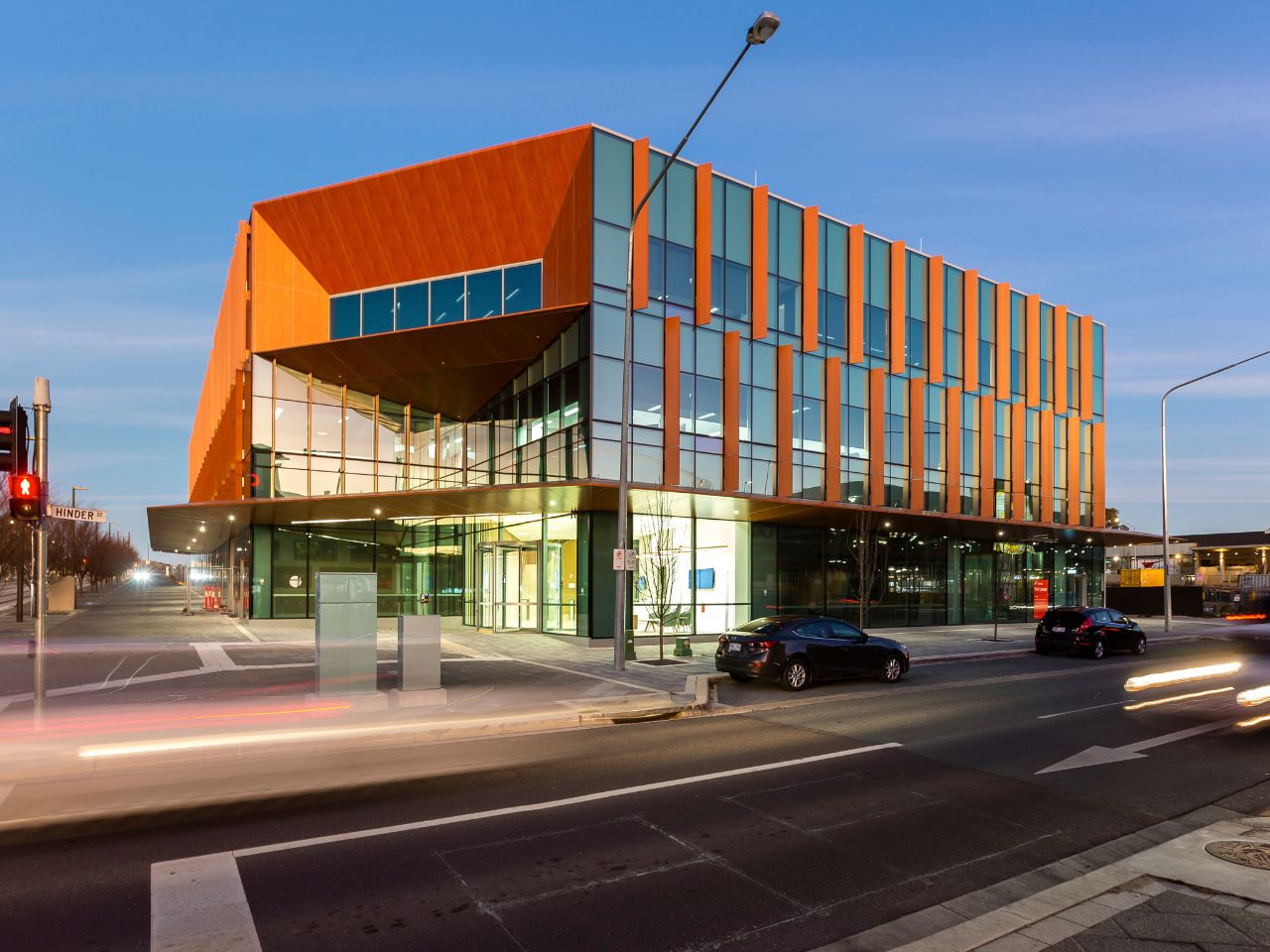


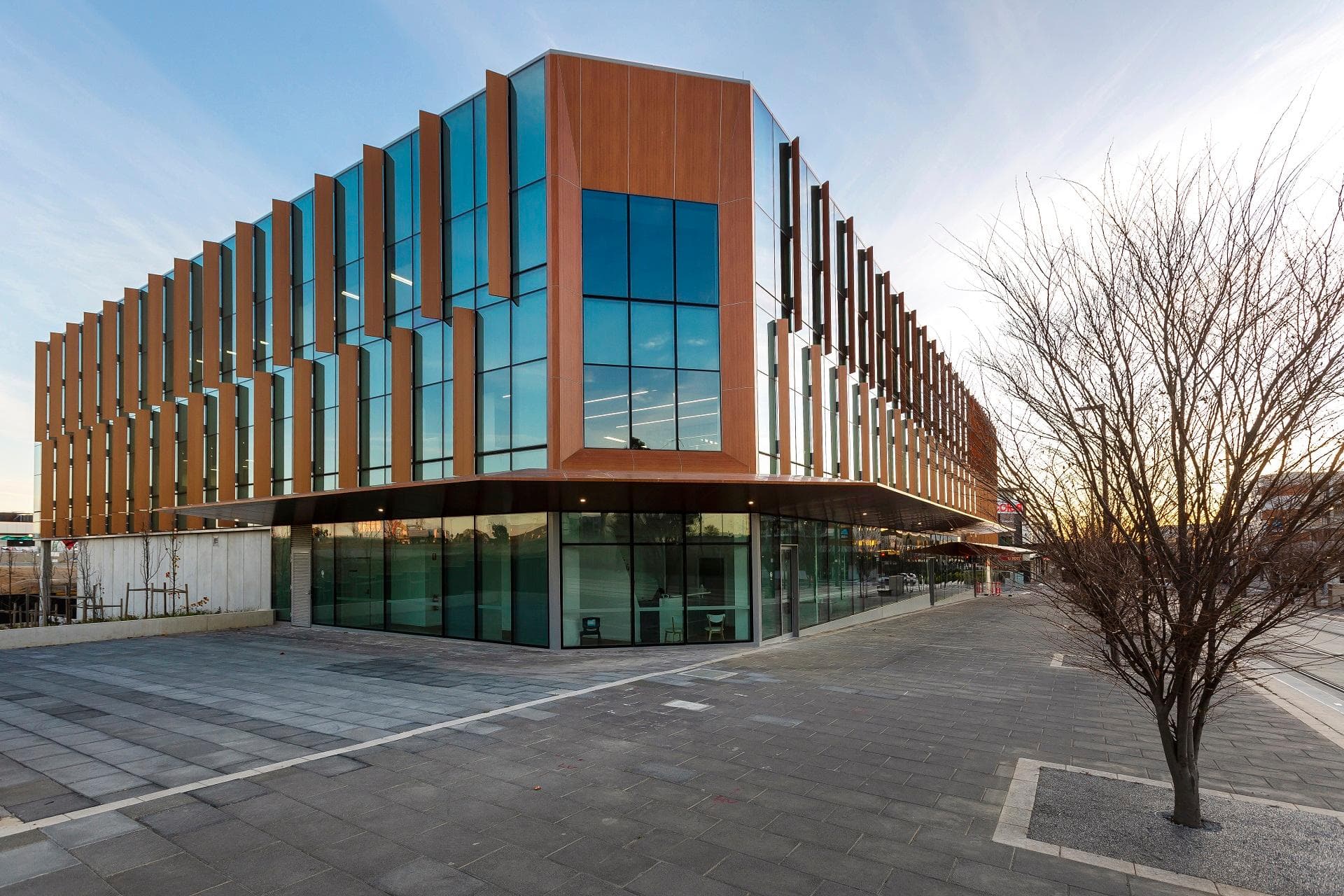
Non-combustible aluminium cladding represents a significant advancement in building safety and design to meet fire safety standards without sacrificing design flexibility.
Aluminium cladding has become a popular choice in modern construction due to its lightweight, durability, and aesthetic appeal. However, when it comes to fire safety, traditional aluminium composite panels (ACP) with combustible cores have raised concerns, especially after high-profile fire incidents worldwide. This has led to the increasing demand for non-combustible aluminium cladding - cladding made from materials that do not ignite or support combustion when exposed to fire. This article delves into the topic further.
Understanding Non-Combustible Aluminium Cladding
Non-combustible aluminium cladding refers to panels or sheets used on building exteriors that are designed and manufactured with fire-resistant materials. Unlike conventional aluminium composite panels, which often have a polyethylene or other combustible core, these claddings use mineral-based or fire-retardant cores that comply with strict fire safety standards.
The key characteristic of non-combustible cladding is its ability to resist ignition and prevent the spread of flames, even when exposed to intense heat or fire. This property is critical in reducing the risk of rapid-fire propagation across building facades.
Composition and Standards
Typically, non-combustible aluminium cladding consists of two thin aluminium sheets bonded to a mineral core, often composed of materials like:
· Hydrated mineral core: Mainly made of non-combustible minerals such as magnesium hydroxide or aluminium hydroxide.
· Stone-filled core: A mixture of stone powders and binders to achieve fire resistance.
· Calcium silicate or cementitious cores: Known for their excellent fire resistance.
These materials ensure that the cladding achieves fire safety regulations.
Advantages of Non-Combustible Aluminium Cladding
· Fire Safety and Risk Reduction: The primary advantage is fire resistance. Non-combustible cladding panels significantly reduce the risk of fire spreading across building exteriors, offering enhanced safety for occupants and emergency responders. In urban environments with high-density buildings, this feature is critical in preventing devastating fire disasters.
· Compliance with Building Codes: Many countries and local authorities have updated building codes to restrict or ban combustible cladding materials, particularly on high-rise buildings. Using non-combustible aluminium cladding ensures compliance with these regulations, avoiding costly retrofits or penalties.
· Durability and Weather Resistance: Aluminium itself is corrosion-resistant and lightweight, making it ideal for exterior cladding. Non-combustible cores maintain this advantage while also providing robust resistance against environmental factors like moisture, UV exposure, and temperature fluctuations.
· Aesthetic Flexibility: Non-combustible aluminium cladding is available in a variety of finishes, colours, and textures, allowing architects and designers to achieve both functional and visual goals. From sleek modern facades to intricate patterns, the versatility of aluminium remains intact.
· Lightweight Construction: Despite the mineral cores, non-combustible aluminium cladding remains lightweight compared to traditional masonry or stone facades. This reduces structural load and installation time, lowering overall construction costs.
Applications in Construction
Non-combustible aluminium cladding is widely used in:
· High-rise buildings: Ensuring fire safety compliance in tall residential and commercial towers.
· Public buildings: Schools, hospitals, and government facilities where safety standards are stringent.
· Renovations and retrofits: Replacing combustible cladding materials on existing structures.
· Industrial facilities: Where fire safety and durability are paramount.
· Transport hubs: Airports and train stations requiring safe yet visually appealing exteriors.
Challenges and Considerations
While non-combustible aluminium cladding offers many benefits, there are some considerations:
· Cost: Typically, non-combustible panels are more expensive than traditional ACPs due to the advanced materials and manufacturing processes.
· Weight: Though still lightweight compared to many materials, mineral cores add some weight relative to polyethylene cores.
· Installation expertise: Proper installation is critical to ensure the fire safety performance is not compromised by gaps or incorrect fixings.
Final Thoughts
Non-combustible aluminium cladding represents a significant advancement in building safety and design. Its properties, combined with the aesthetic and practical advantages of aluminium, make it an excellent choice for architects, builders, and developers aiming to meet modern fire safety standards without sacrificing design flexibility.