


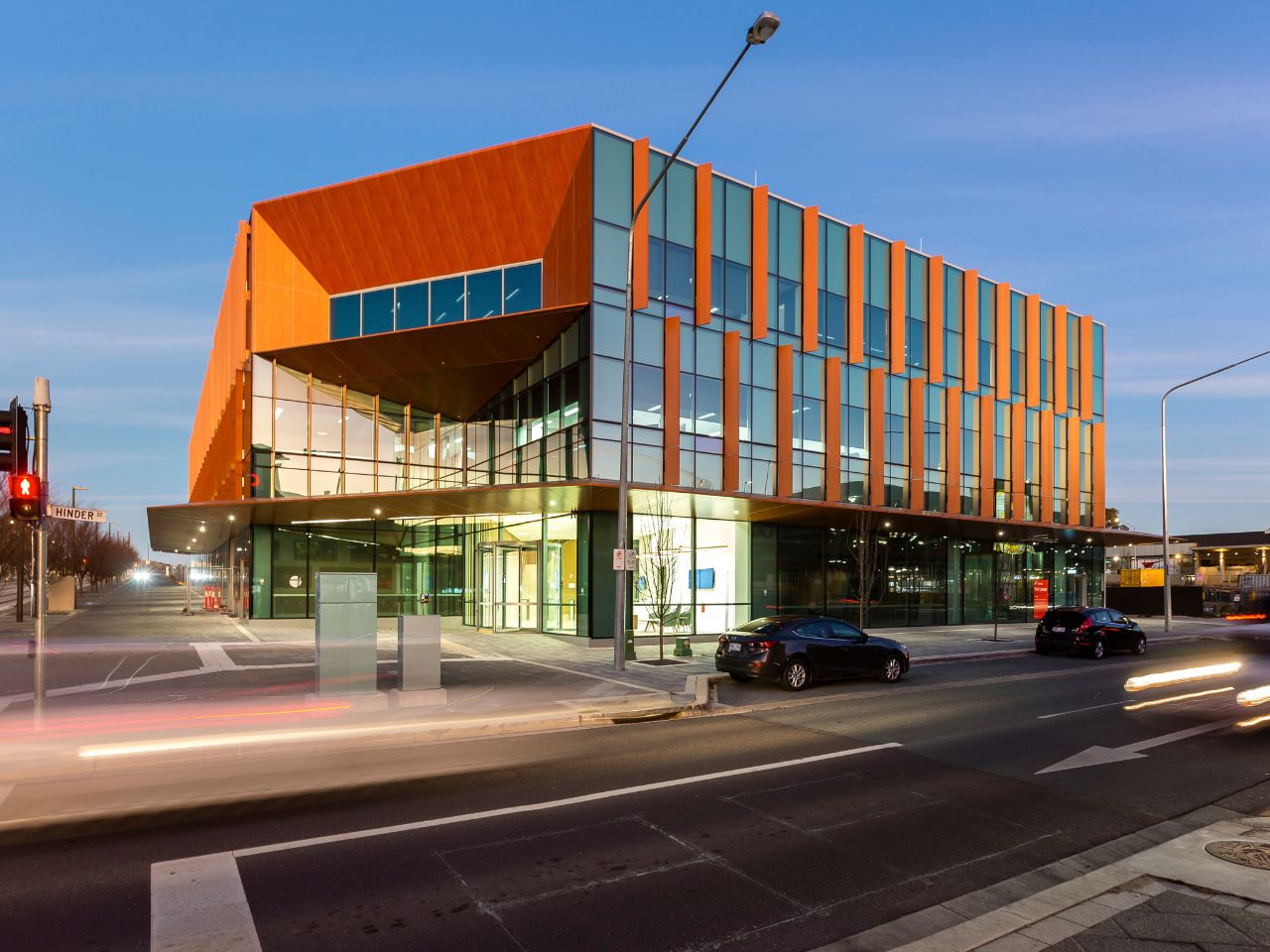


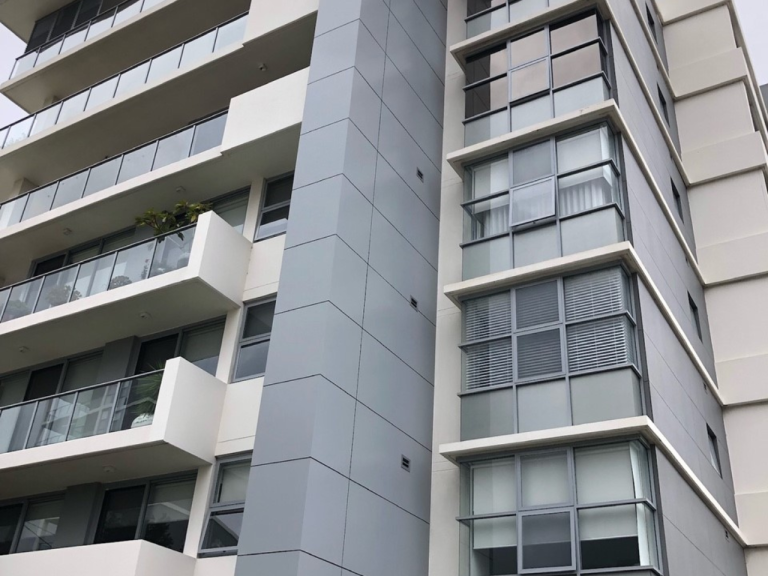
As architecture continues to evolve, building exteriors have become more than just protective shells - they now define the aesthetic and functional identity of a structure. One material leading this transformation is aluminium cladding. Known for its sleek appearance, durability, and adaptability, aluminium cladding is now a popular choice for modern facades in both commercial and residential architecture.
The Rise of Aluminium in Contemporary Architecture
Aluminium has long been recognised for its strength-to-weight ratio and corrosion resistance. In recent decades, however, it has gained significant traction as a facade material. Unlike traditional cladding options such as wood or brick, aluminium is lightweight yet robust, making it easier to install and maintain.
Its rise is also linked to the growing trend of modular construction and prefabrication. Aluminium panels can be fabricated off-site and quickly mounted on structures, reducing construction time and labour costs. This speed and efficiency are especially valuable in high-density urban developments where timelines are tight and space is limited.
Aesthetic Flexibility and Design Freedom
One of the standout features of aluminium cladding is its vast design potential. The material is available in a wide range of colours, textures, and finishes - including matte, gloss, brushed, anodised, or even wood grain effects. This allows architects to experiment with different styles, from industrial to organic, without compromising on performance.
Aluminium cladding systems can also be customised into various shapes and sizes, supporting complex architectural forms and bold geometric patterns. Whether creating sharp lines on a modern office block or soft curves on a cultural centre, aluminium offers the freedom to push creative boundaries.
Performance and Protection
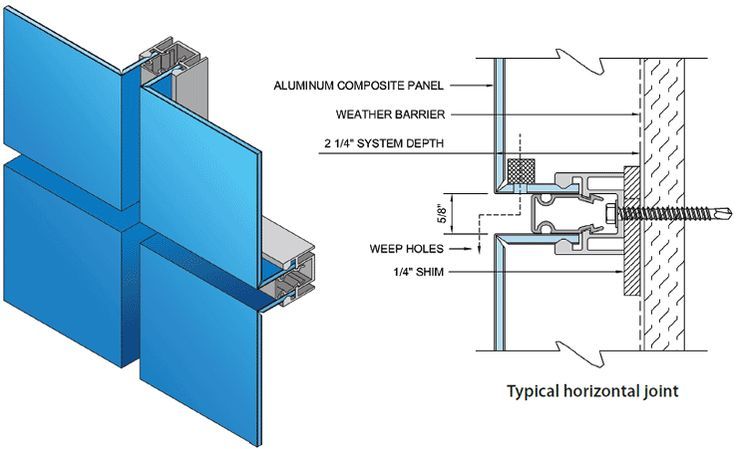
Beyond its visual appeal, aluminium cladding plays a crucial role in protecting buildings from the elements. It acts as a barrier against rain, wind, UV radiation, and temperature fluctuations. Properly installed systems can also improve thermal insulation and ventilation, contributing to a building’s energy efficiency.
Additionally, aluminium is naturally resistant to rust and does not warp or crack over time. These qualities make it ideal for harsh climates or coastal regions where other materials may degrade quickly. With minimal maintenance required - typically limited to periodic cleaning - aluminium cladding ensures long-term value for property owners.
Sustainability and Environmental Benefits
As environmental consciousness shapes building practices, aluminium’s recyclability becomes a major advantage. Nearly 75% of all aluminium ever produced is still in use today, thanks to its ability to be recycled without losing quality. Choosing aluminium cladding can significantly reduce a building’s environmental footprint.
Moreover, modern production methods now allow for low-carbon aluminium, which is manufactured using renewable energy sources. Combined with energy-saving benefits like improved insulation, aluminium cladding supports both green building standards and sustainable development goals.
Safety Considerations and Regulations
While aluminium is non-combustible, it's essential to note that cladding systems often include multiple layers, such as insulation and fixing materials. Therefore, fire safety depends not only on the aluminium panels themselves but also on the overall system design and installation. Compliance with local fire codes and using tested, certified systems is crucial to ensuring occupant safety.
In response to recent concerns in the industry, many manufacturers now offer aluminium cladding solutions that meet the highest safety standards without sacrificing aesthetics. Deemed-to-Satisfy non-combustible aluminium cladding is the preferred product.
Applications Across Building Types
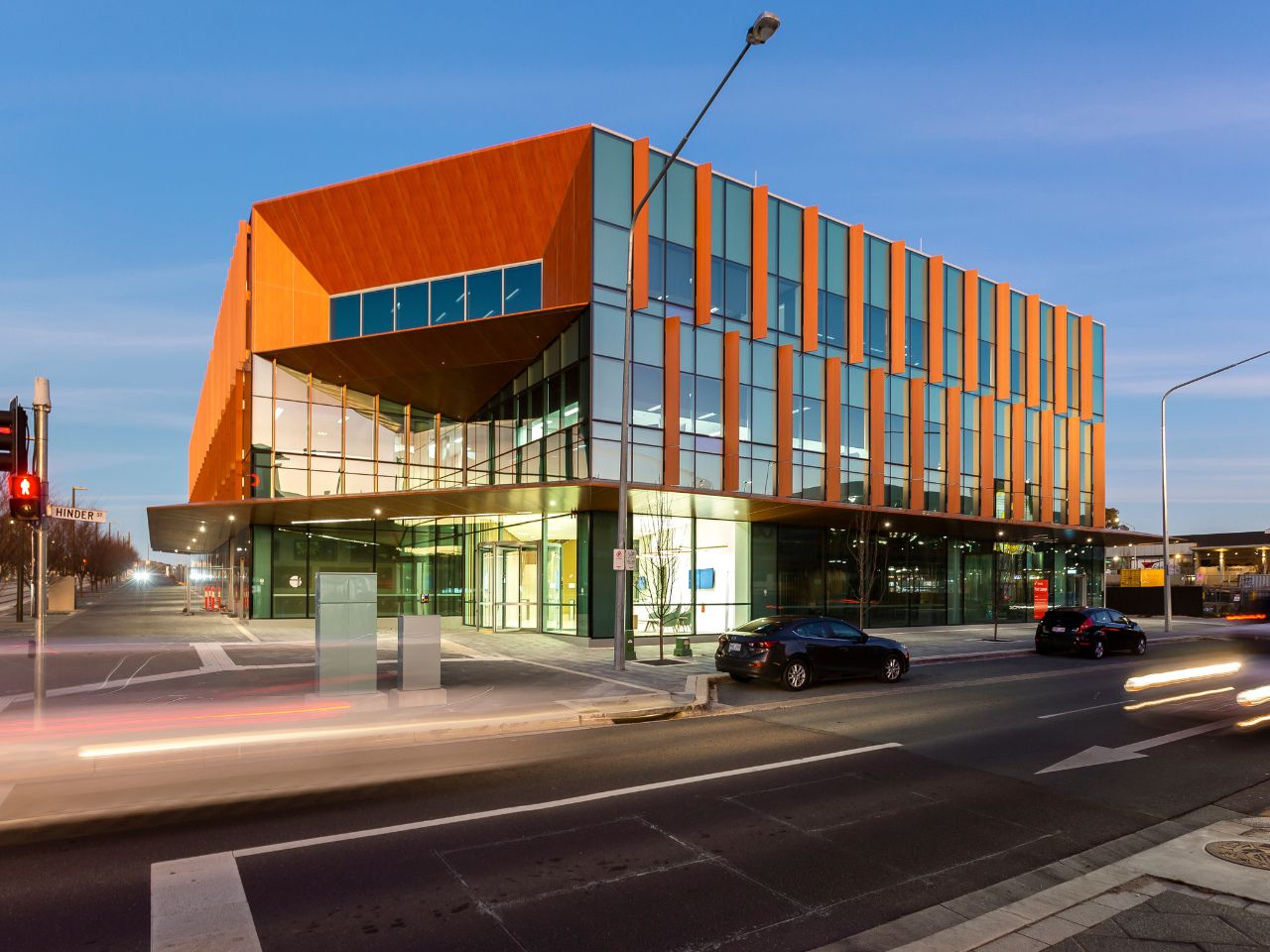
Aluminium cladding’s versatility makes it suitable for a wide range of applications. In commercial buildings, it offers a modern, professional look while protecting large structures from environmental stress. In residential architecture, it adds a refined finish that complements both contemporary and traditional designs.
Final Thoughts
Aluminium cladding has emerged as a defining feature of modern architecture, offering an ideal balance between aesthetics, durability, and environmental responsibility. Its lightweight, low-maintenance nature combined with design versatility makes it a smart investment for buildings of all shapes and sizes.


The research report includes specific segments by region (country), by company, by Type and by Application.
This study provides information about the sales and revenue during the historic and forecasted period of 2015 to 2026.
Understanding the segments helps in identifying the importance of different factors that aid the market growth.
Download FREE Sample of this Report @ https://www.24chemicalresearch.com/download-sample/61887/global-metal-cladding-systems-2020-653Segment by Type, the Metal Cladding Systems market is segmented into:Steel CladdingAluminum CladdingSegment by Application:ResidentialNon-residentialGlobal Metal Cladding Systems Market: Regional AnalysisThe Metal Cladding Systems market is analysed and market size information is provided by regions (countries).
The report includes country-wise and region-wise market size for the period 2015-2026.
It also includes market size and forecast by Type and by Application segment in terms of sales and revenue for the period 2015-2026.The key regions covered in the Metal Cladding Systems market report are:North AmericaU.S.CanadaEuropeGermanyFranceU.K.ItalyRussiaAsia-PacificChinaJapanSouth KoreaIndiaAustraliaTaiwanIndonesiaThailandMalaysiaPhilippinesVietnamLatin AmericaMexicoBrazilArgentinaMiddle East & AfricaTurkeySaudi ArabiaU.A.EGlobal Metal Cladding Systems Market: Competitive AnalysisThis section of the report identifies various key manufacturers of the market.