Renovating a multifamily property is an excellent way to enhance value, improve living conditions, and attract higher-quality tenants. However, multifamily renovation projects also come with significant challenges, especially when it comes to managing tenant relations. Renovations often disrupt residents’ daily lives—noise, dust, limited access to amenities, and temporary relocations can all create tension and dissatisfaction.
Effectively managing tenant relations during renovations isn’t just about minimizing complaints; it’s about maintaining trust, ensuring safety, and ultimately preserving your property’s reputation and occupancy rates. This guide will walk you through best practices and practical strategies to successfully manage tenant relations during multifamily renovations.
1. Understand Why Tenant Relations Matter During Renovations
The relationship between property managers and tenants is foundational to successful property management. When renovations are underway, this relationship faces increased strain. Poor communication or inadequate planning can lead to tenant frustration, negative reviews, or even increased turnover, which can offset the benefits of your investment in renovations.
On the other hand, proactive tenant management can:
Recognizing the importance of tenant relations during multifamily renovation projects is the first step toward success.
2. Plan Renovations with Tenants in Mind
Early Planning and Assessment
Before breaking ground, conduct a thorough assessment of your property, the scope of renovations, and potential impacts on tenants. This assessment should cover:
With this data, develop a renovation timeline and phasing plan that minimizes disruption.
Tenant-Centric Scheduling
Where possible, schedule the most disruptive work during times that inconvenience tenants the least, such as during weekdays when many residents are at work or school. Avoid noisy work early in the morning or late at night.
Contingency Planning
Anticipate delays or unexpected issues and communicate these possibilities to tenants upfront. Having contingency plans helps reduce tenant anxiety when timelines shift.
3. Communicate Transparently and Frequently
Clear, honest, and regular communication is the cornerstone of managing tenant relations during renovations.
Initial Notice
Provide tenants with an initial written notice well before renovations begin. This notice should include:
Use multiple channels to ensure all tenants receive the information: email, physical notices posted in common areas, tenant portals, and direct conversations when possible.
Ongoing Updates
Regularly update tenants throughout the renovation process. Weekly updates or progress reports help manage expectations and keep everyone informed of any changes. Be upfront about delays or adjustments.
Two-Way Communication
Create channels for tenants to ask questions, express concerns, or report issues. This can be via a dedicated phone line, email, or in-person office hours. Promptly address inquiries to build trust.
4. Provide Support and Accommodations
Renovations can disrupt daily life—noise, dust, parking issues, and restricted access can be a real burden. Offering support and accommodations shows empathy and encourages tenant cooperation.
Temporary Relocations
In cases where renovations make units uninhabitable, offer temporary relocation options. Ideally, this would be to other units within your portfolio or nearby accommodations, with costs covered or subsidized by you.
Noise and Dust Control
Use noise-reducing equipment and implement dust control measures such as plastic barriers, air scrubbers, and frequent cleaning of common areas.
Parking and Access
Inform tenants of any parking restrictions well in advance and provide alternative parking solutions when possible. Ensure emergency exits and pathways remain accessible at all times.
Incentives and Compensation
Offering rent reductions, free parking, or gift cards can help ease tenant frustration. Even small gestures go a long way in maintaining goodwill.
5. Maintain a Safe and Clean Environment
Safety is paramount during any construction or renovation project.
Safety Protocols
Cleanliness
Regularly clean construction dust and debris from common areas, hallways, and entrances. A clean environment reduces health risks and shows tenants that their well-being is a priority.
6. Train Your Staff and Contractors on Tenant Relations
Your team plays a crucial role in tenant relations during renovations.
Staff Training
Ensure property managers and leasing agents understand the renovation plans, timelines, and tenant communication protocols. They should be able to answer questions accurately and empathetically.
Contractor Expectations
Communicate with contractors about tenant relations. They should be trained on professional conduct, noise management, and maintaining cleanliness.
7. Use Technology to Enhance Communication and Coordination
Leverage property management software, tenant portals, and mobile apps to streamline communication and keep tenants informed.
Digital Notices and Updates
Send digital newsletters or push notifications with updates, schedules, and important reminders.
Maintenance and Issue Tracking
Enable tenants to report issues via apps or portals, and track resolution progress transparently.
8. Solicit and Act on Tenant Feedback
After renovation phases or at project milestones, gather tenant feedback through surveys or direct conversations.
9. Celebrate Project Completion with Tenants
Once renovations are complete, organize a small event or send a thank-you note to tenants acknowledging their patience and cooperation.
Highlight the improvements and how these upgrades benefit them. This helps rebuild community spirit and encourages tenant retention.
10. Learn and Document Lessons for Future Projects
After completing the multifamily renovation, conduct a thorough review of the tenant relations process.
Document these lessons for future renovations to continuously improve tenant relations strategies.
Conclusion
Managing tenant relations during multifamily renovation projects requires foresight, empathy, and proactive communication. Renovations are inherently disruptive, but with careful planning and a tenant-first approach, property managers can minimize dissatisfaction and even strengthen their relationship with residents.
By keeping tenants informed, accommodating their needs, ensuring safety, and fostering open dialogue, you turn a potentially stressful time into an opportunity to build trust and loyalty. The investment you make in tenant relations during renovations will pay dividends in tenant retention, positive reputation, and the long-term success of your multifamily property.

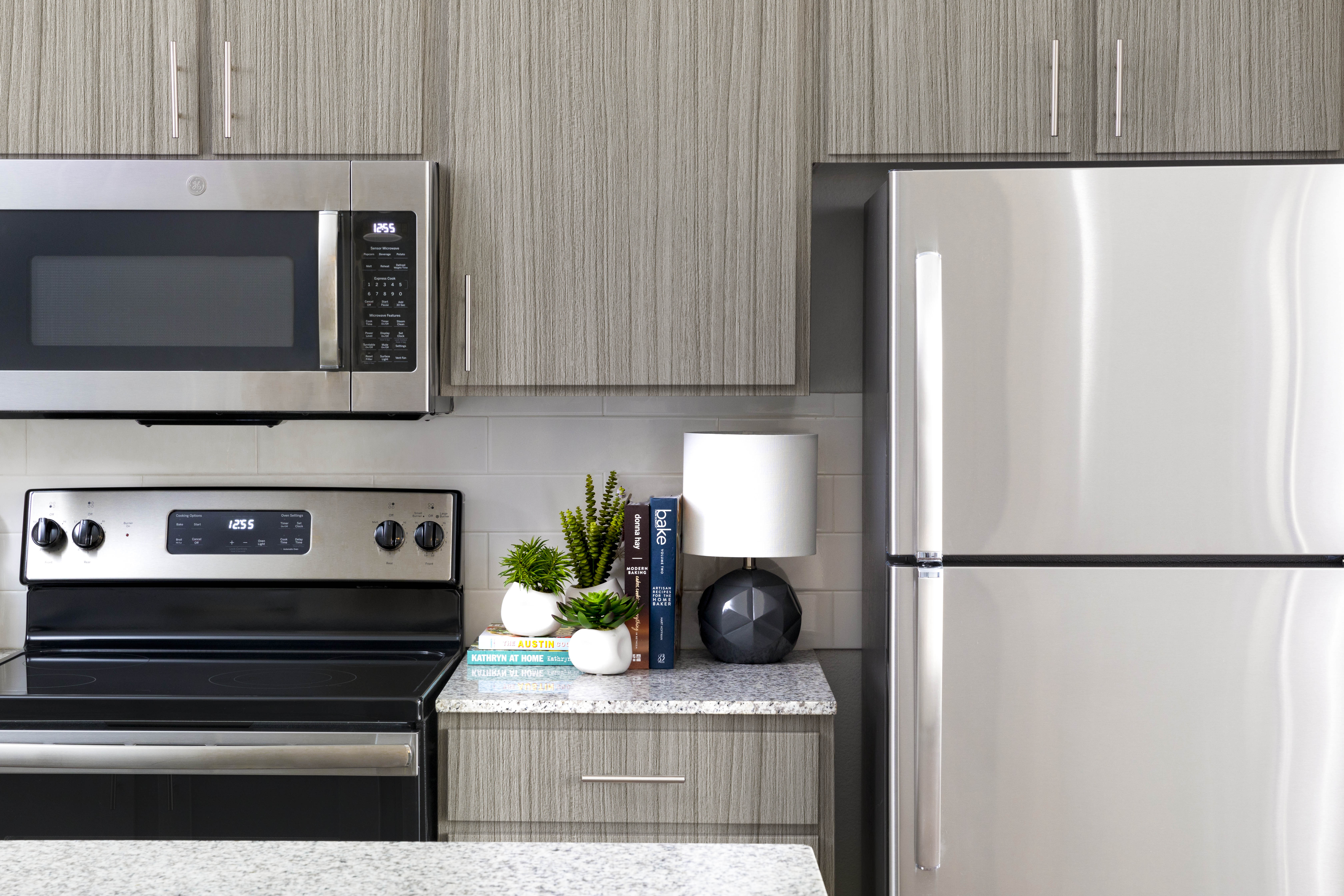
Kitchens and bathrooms are two of the most important spaces in any apartment unit. They directly influence a tenant’s decision to lease, renew, or move out. For any Multifamily Renovation Company,