

Older multifamily buildings often have strong structures and prime locations, but outdated designs, inefficient systems, and worn finishes can reduce their appeal and profitability. With smart renovation strategies, property owners can modernize these communities, attract quality tenants, and increase long-term value—without the cost of full redevelopment.
1. Upgrade Units with Modern Finishes
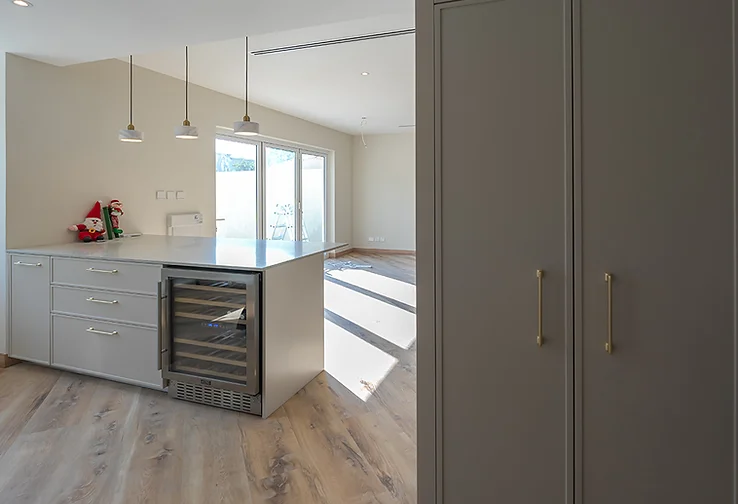
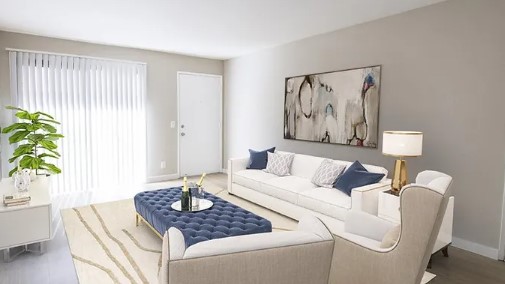
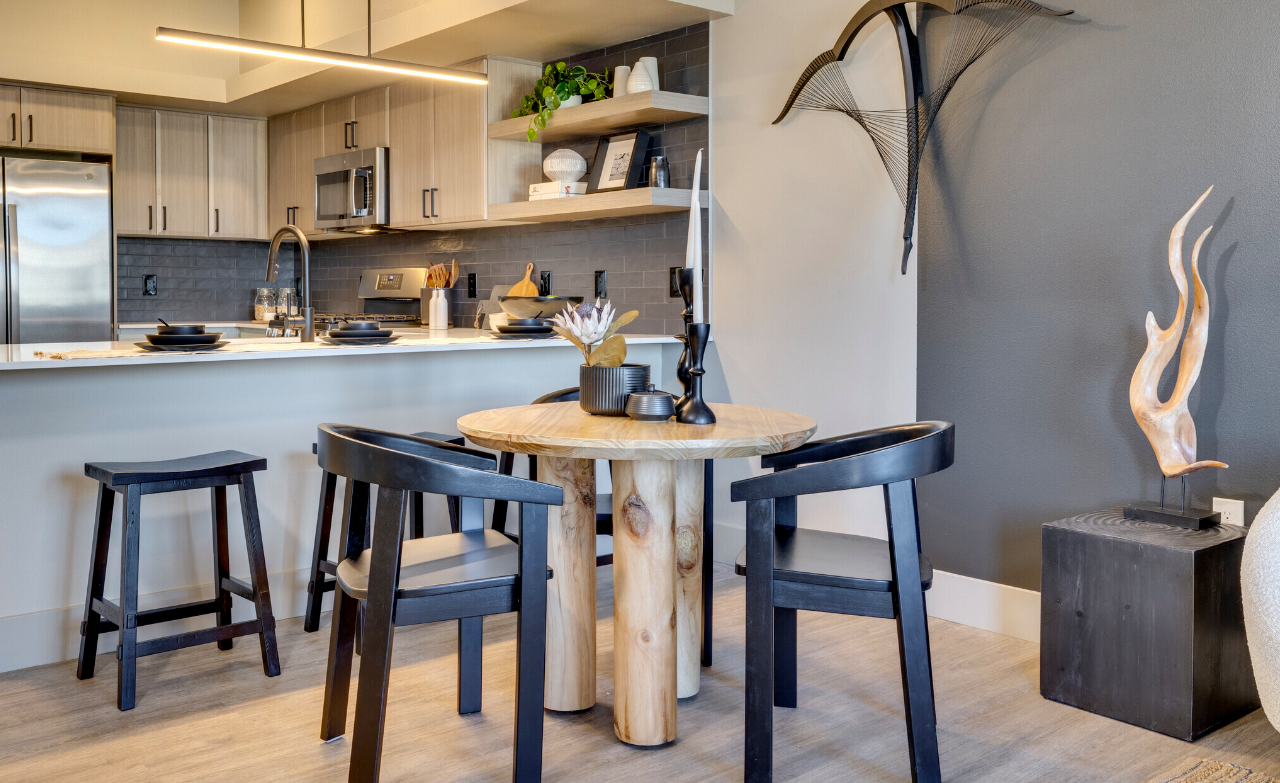
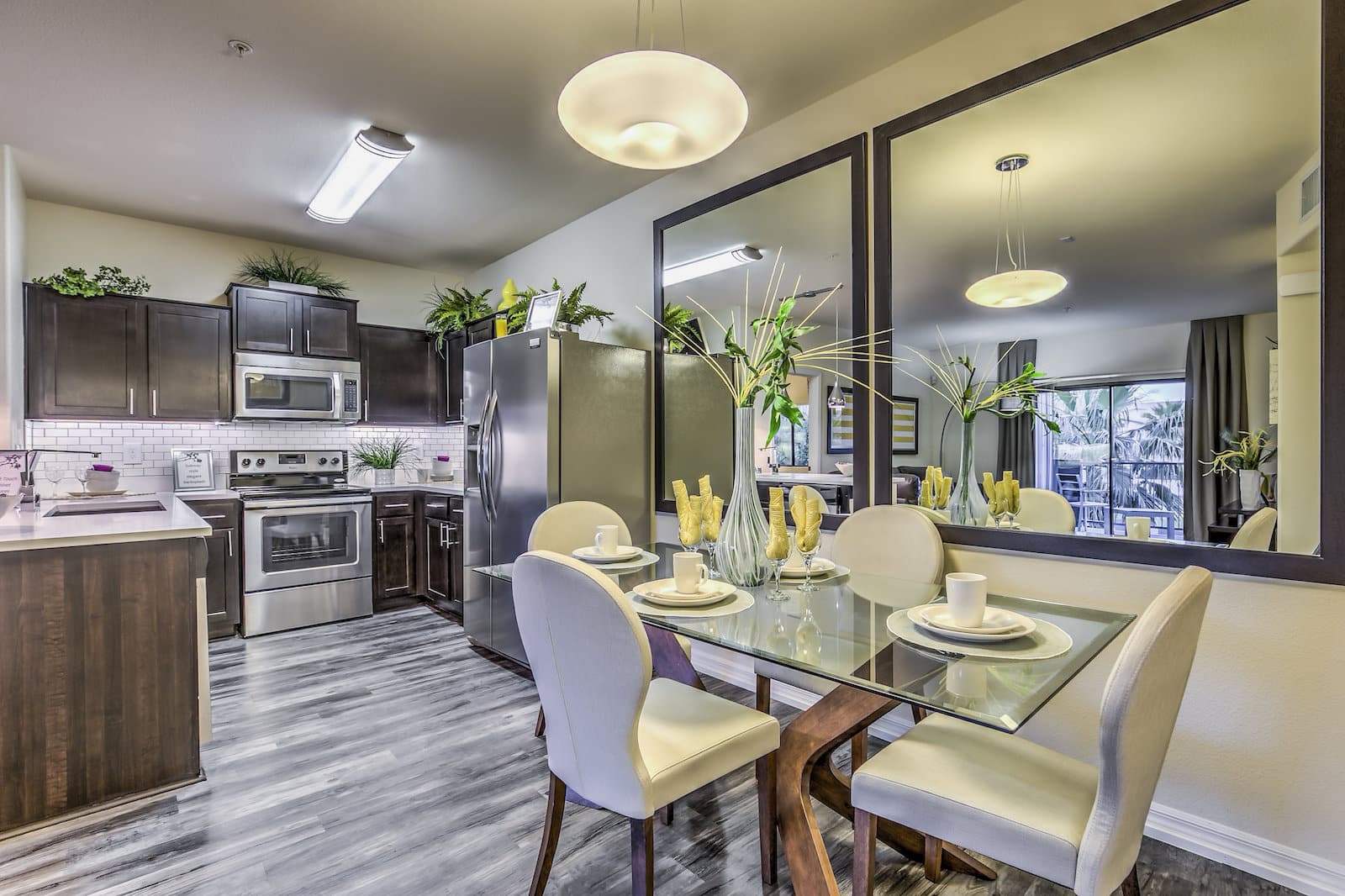
Simple interior updates can dramatically change how a unit feels. Replace old flooring with durable vinyl plank, refresh cabinets, install modern fixtures, and use neutral paint colors to create a clean, contemporary look. These upgrades improve tenant satisfaction and justify higher rents.
2. Improve Energy Efficiency
Energy-efficient renovations reduce operating costs and attract eco-conscious renters. Consider upgrading to LED lighting, low-flow plumbing fixtures, energy-efficient windows, and smart thermostats. These changes lower utility bills while enhancing comfort for residents.
3. Modernize Kitchens and Bathrooms
Kitchens and bathrooms are the top decision factors for renters. Updating countertops, adding tile backsplashes, installing water-saving faucets, and refreshing vanities can instantly elevate the appeal of older apartments and boost leasing speed.
4. Enhance Building Systems
Outdated HVAC, electrical, and plumbing systems can lead to frequent repairs and high maintenance costs. Investing in modern systems improves reliability, safety, and efficiency, while reducing emergency calls and long-term expenses.
5. Add Smart Technology
Smart locks, keyless entry, video doorbells, and app-based maintenance requests improve security and convenience. These tech upgrades position older buildings as modern communities and appeal to today’s tech-savvy renters.
6. Refresh Common Areas
Renovating lobbies, hallways, laundry rooms, and clubhouses can transform first impressions. Updated lighting, new flooring, fresh paint, and modern furniture make shared spaces more inviting and increase overall property value.
7. Boost Curb Appeal
Exterior improvements such as new paint, updated signage, landscaping, lighting, and parking lot repairs help older buildings stand out. Strong curb appeal attracts prospects and sets the tone for the entire community.
8. Focus on Safety and Compliance
Older properties may not meet current safety codes. Multifamily renovations should include fire protection upgrades, improved lighting, secure entry points, and ADA-compliant features to protect residents and ensure compliance with local regulations.
9. Plan Value-Add Renovations Strategically
Not every upgrade needs to happen at once. Prioritize renovations that offer the highest return on investment, such as unit turns, kitchens, bathrooms, and energy-saving upgrades. A phased approach helps manage budgets while keeping units occupied.
10. Minimize Disruption to Tenants
Smart renovation planning includes clear communication, efficient scheduling, and fast unit turnarounds. This keeps residents satisfied and reduces vacancy loss during the renovation process.
Final Thoughts
Renovating older multifamily buildings is about blending modern comfort with cost-effective solutions. With the right strategy, owners can extend the life of their properties, improve tenant retention, and significantly increase asset value.
At Renu Inc., we specialize in smart multifamily and apartment renovations that transform aging properties into modern, high-performing communities. From unit upgrades and common area renovations to full-scale repositioning, our experienced team delivers quality craftsmanship, efficient timelines, and results that maximize your ROI. If you’re ready to breathe new life into your older multifamily building, Renu Inc. is here to help.
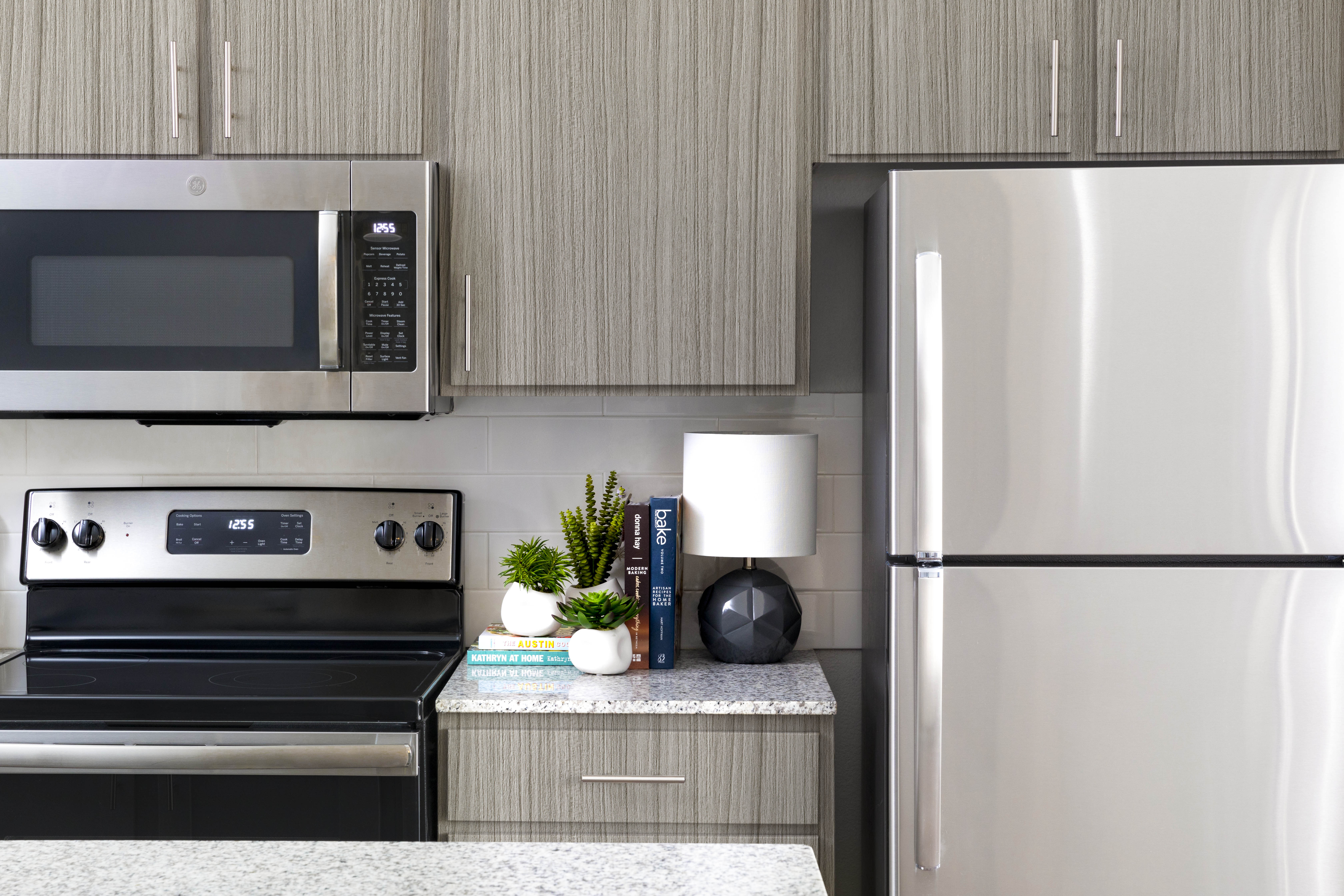
Kitchens and bathrooms are two of the most important spaces in any apartment unit. They directly influence a tenant’s decision to lease, renew, or move out. For any Multifamily Renovation Company,