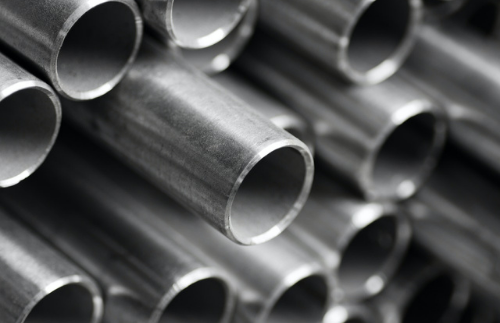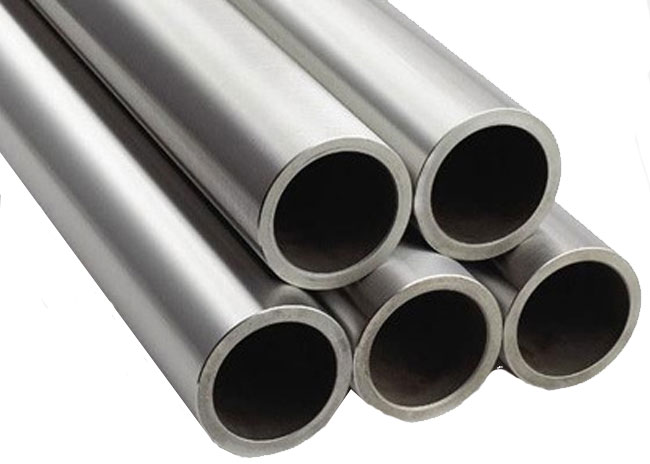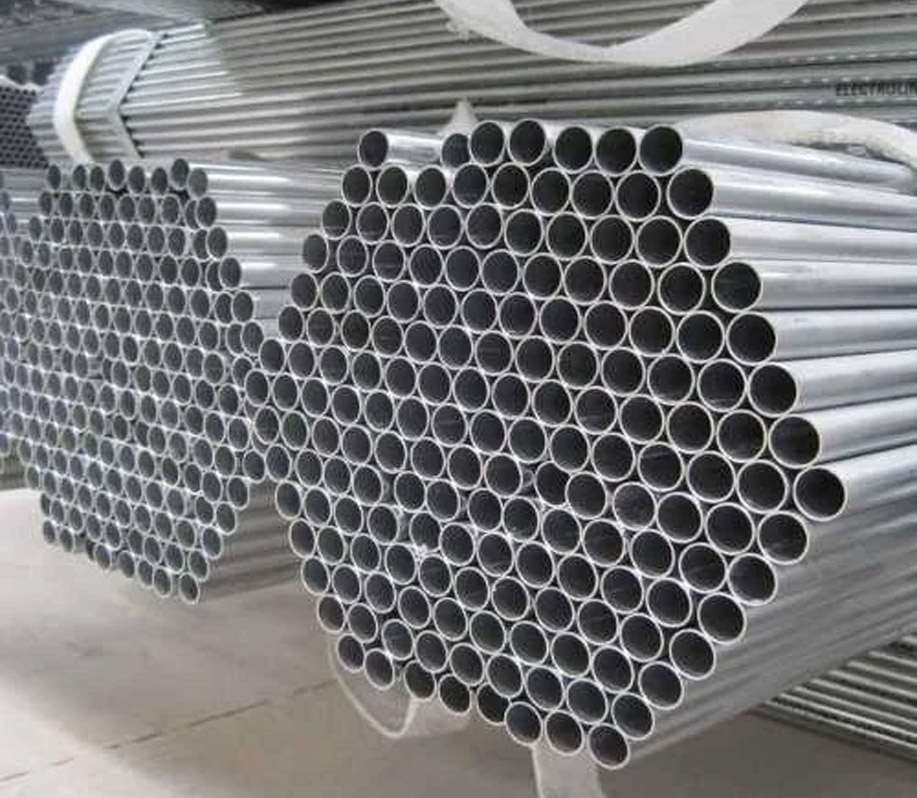
In high-precision industrial systems, reliability, corrosion resistance, and pressure durability are non-negotiable. This is where Stainless Steel 316 Instrumentation Tubes stand out. Widely used across petrochemical, marine, and power generation industries, SS 316 tubes are engineered for demanding applications where standard tubing falls short.
Whether you're managing complex instrumentation panels or high-pressure fluid delivery systems, choosing the right tubing material is crucial—and SS 316 Instrumentation Tubes offer both performance and peace of mind.
What Are Stainless Steel 316 Instrumentation Tubes?
Instrumentation tubes are small-diameter, high-precision tubes used to convey fluids or gases in control systems, pressure systems, and analytical instruments. Grade 316 stainless steel is a molybdenum-bearing austenitic stainless steel known for its enhanced corrosion resistance compared to standard 304 grade.
These tubes are manufactured to tight tolerances and often come in seamless or welded forms, ensuring leak-proof and vibration-resistant connections in critical systems.
Key Features of SS 316 Instrumentation Tubes
🔹 Exceptional Corrosion Resistance
Thanks to the addition of 2–3% molybdenum, 316 stainless steel offers superior resistance to pitting and crevice corrosion—especially in chloride-rich environments like coastal plants or offshore platforms.
🔹 High Strength and Pressure Resistance
SS 316 instrumentation tubes are built to withstand high pressures and temperatures, making them ideal for hydraulic and pneumatic applications.
🔹 Precision Manufacturing
316 tubes are produced to strict tolerances, ensuring a perfect fit in control panels and instrumentation systems. This ensures safety, efficiency, and system integrity.
🔹 Excellent Weldability and Fabrication
These tubes are easy to fabricate and weld using standard methods, allowing for quick installation and reduced downtime during maintenance or upgrades.
🔹 Temperature Resistance
SS 316 tubing maintains structural integrity at elevated temperatures, making it a reliable option for systems exposed to heat or thermal cycling.
316 vs 316L Instrumentation Tubes – What's the Difference?
Both 316 and 316L offer excellent corrosion resistance, but 316L has a lower carbon content, making it more resistant to intergranular corrosion after welding. It is often preferred in industries like pharmaceuticals, food processing, and chemical transport where purity and weld quality are critical.
Conclusion
Stainless Steel 316 Instrumentation Tubes are the gold standard for fluid and gas control systems operating in harsh and corrosive environments. Their superior material properties, precision engineering, and long-term durability make them a cost-effective and reliable choice for critical applications.
If you're sourcing premium-grade SS 316 instrumentation tubing, make sure to work with a reputable supplier that delivers quality, traceability, and compliance with international standards.