


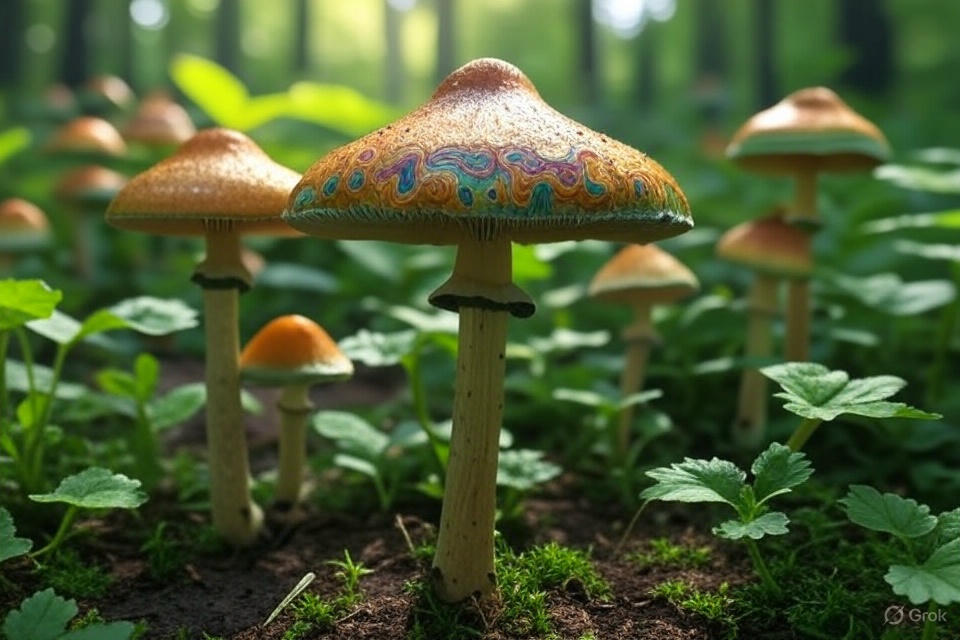
In recent years, psychedelic medicine has gained traction as a promising new frontier in mental health treatment. Among the substances leading this resurgence is psilocybin, the active compound found in “magic mushrooms.” Once relegated to the fringes of scientific research, psilocybin is now being seriously studied for its potential to treat a range of psychiatric conditions—including post-traumatic stress disorder (PTSD).
The Need for New PTSD Treatments
PTSD affects millions of people worldwide, often resulting from traumatic experiences such as military combat, abuse, natural disasters, or serious accidents. Symptoms include flashbacks, nightmares, emotional numbness, and heightened anxiety. While traditional treatments such as cognitive-behavioral therapy (CBT), exposure therapy, and selective serotonin reuptake inhibitors (SSRIs) can help, they don’t work for everyone. Many patients continue to suffer despite trying multiple approaches. This has created a growing demand for more effective, transformative treatments.
How Psilocybin Works
Psilocybin is a serotonergic psychedelic, meaning it primarily affects serotonin receptors in the brain, particularly the 5-HT2A receptor. When administered in a controlled setting, psilocybin induces a profound altered state of consciousness characterized by enhanced introspection, emotional release, and often mystical-type experiences. These experiences can help patients process traumatic memories from a new, less emotionally charged perspective.
Neuroimaging studies suggest psilocybin reduces activity in the brain's default mode network (DMN), a region associated with self-referential thinking and rumination. PTSD is often marked by overactivity in this network, so “quieting” it may allow patients to break free from entrenched trauma patterns.
Early Research and Clinical Trials
Though research is still in its early stages, initial studies have shown encouraging results. A 2020 study published in JAMA Psychiatry showed that psilocybin-assisted therapy significantly reduced depression and anxiety in cancer patients, a group with a high prevalence of PTSD symptoms. While not specific to PTSD, the findings supported the potential for broader therapeutic use.
More directly, a 2023 pilot study by the Multidisciplinary Association for Psychedelic Studies (MAPS) explored the use of psilocybin for combat veterans with PTSD. The results indicated that after just one or two psilocybin-assisted therapy sessions, participants experienced a notable reduction in PTSD symptoms, with effects lasting several months. Importantly, these improvements were often accompanied by increased emotional openness and a renewed sense of meaning in life.
Safety and Regulation
When used in a clinical setting with proper screening and psychological support, psilocybin appears to be safe and well-tolerated. However, it is not without risks—especially outside controlled environments. Adverse effects can include anxiety, confusion, and in rare cases, psychotic episodes. This underscores the importance of using psilocybin strictly within a therapeutic framework.
Currently, psilocybin remains a Schedule I substance in many countries, including the U.S., meaning it’s considered to have no accepted medical use. However, growing research and successful early trials are pushing regulators to reconsider. In 2022, Oregon became the first U.S. state to legalize psilocybin therapy under professional supervision.
The Road Ahead
While more large-scale, randomized clinical trials are needed, psilocybin-assisted therapy represents one of the most exciting potential breakthroughs in PTSD treatment in decades. With careful oversight, continued research, and a focus on ethical application, this psychedelic compound may one day transform the lives of trauma survivors worldwide.

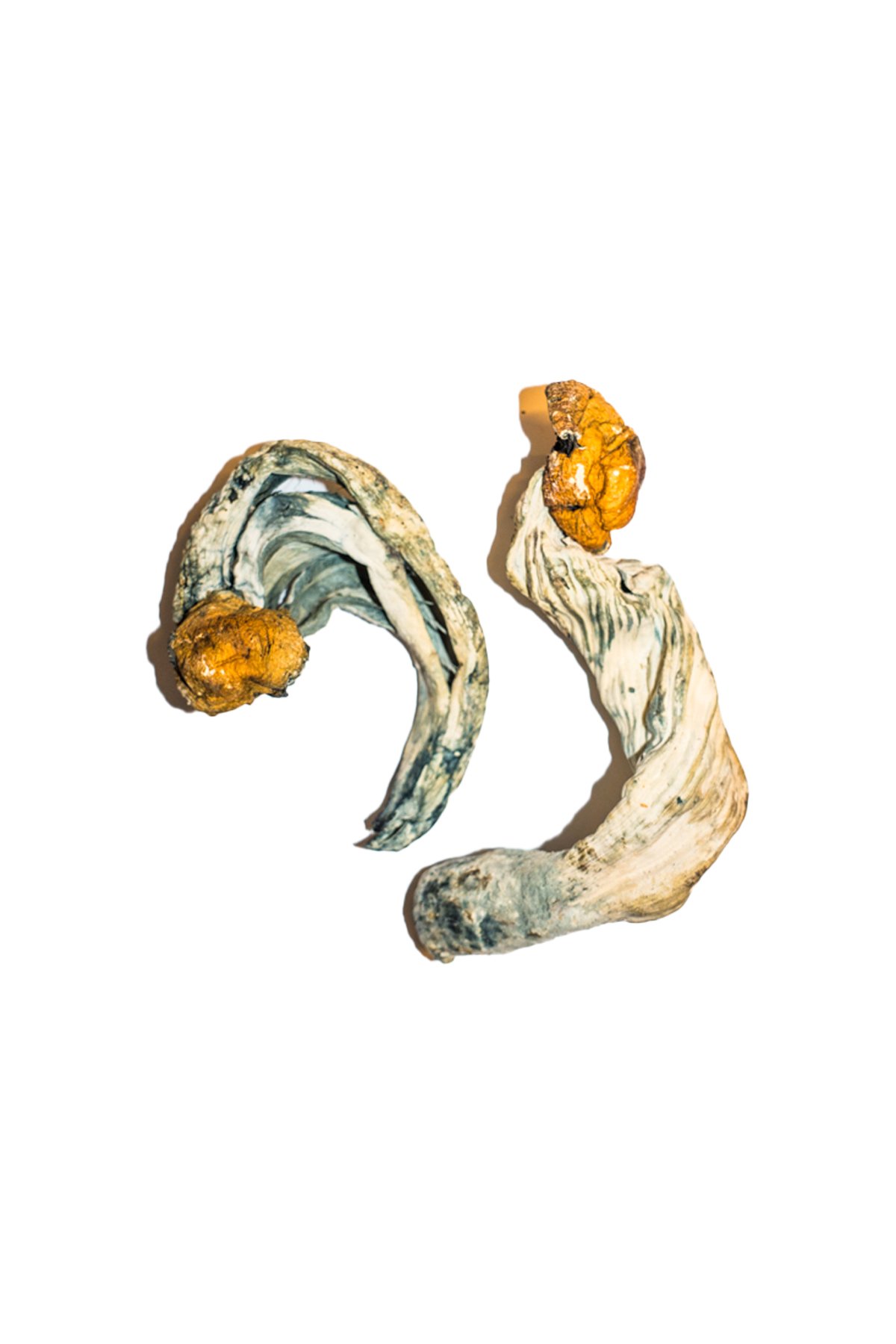

$69.99 – $374.99https://bulkweedinbox.com/product/thai-magic-mushroom/The Thai magic mushroom is also known as Psilocybe Samuiensis Thailand.
This magic mushroom is a psilocybe cubensis, a species of psychedelic mushroom whose main active elements are psilocybin and psilocin.Buy cheap shroomsBuy mushrooms onlineBuy magic mushrooms