





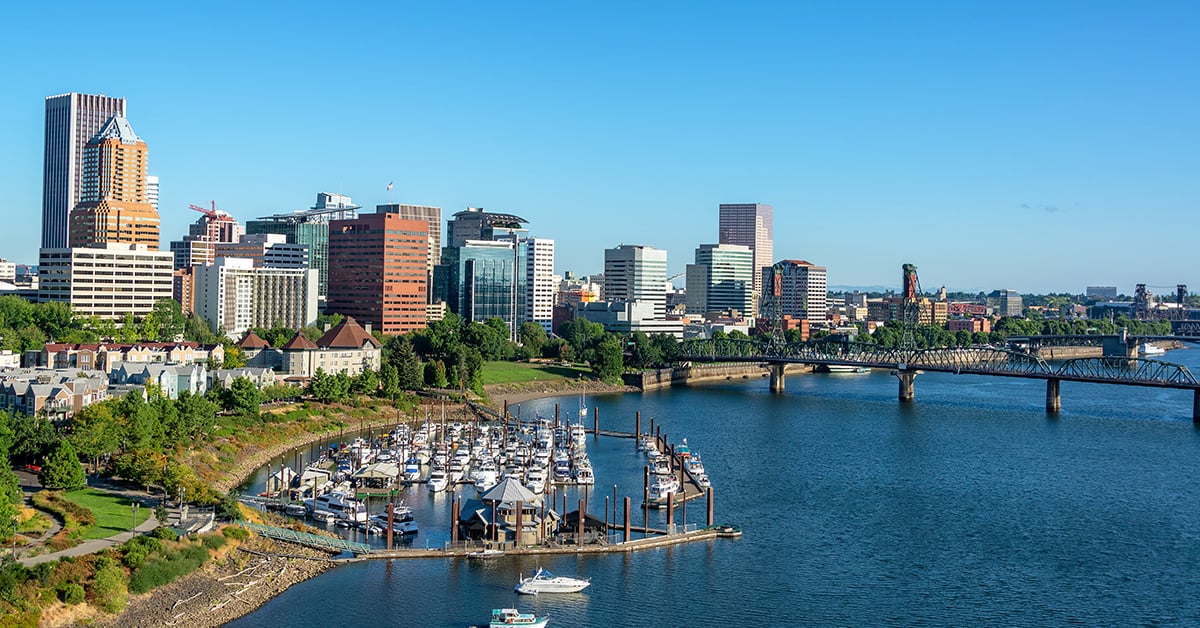
As climate change accelerates, local governments are increasingly turning to financial innovation to fund sustainability efforts. One such innovation gaining traction is the Commercial Property Assessed Clean Energy (C-PACE) program. C-PACE in Oregon, is emerging as a strategic tool to help cities and counties meet climate targets, support building decarbonization, and attract investment in energy-efficient infrastructure.
What Is C-PACE?
C-PACE financing enables commercial, industrial, and multifamily property owners to fund energy efficiency, renewable energy, and resiliency upgrades through long-term, fixed-rate loans. These loans are repaid through a voluntary assessment added to the property tax bill. The model encourages sustainable improvements by aligning repayment with property ownership, rather than individual borrowers.
The strength of the C-PACE structure lies in its ability to overcome upfront capital barriers, making it especially attractive to developers and property owners aiming to meet new building performance standards.
The Growth of C-PACE in Oregon
Oregon has been making deliberate strides in developing a statewide C-PACE framework. With cities like Portland and counties across the state aligning with Oregon’s ambitious climate goals, there has been a noticeable uptick in local government interest in adopting and expanding the C-PACE model.
In 2021, Oregon passed enabling legislation allowing counties to implement C-PACE programs. This legal framework set the stage for counties to tailor programs to local economic and environmental needs. In response, jurisdictions like Multnomah County have been laying the groundwork for active C-PACE financing, targeting commercial real estate as a primary driver for clean energy investments.
The increased momentum behind C-PACE in Oregon is not only about policy—it’s about practical outcomes. From retrofitting old buildings with solar panels and high-efficiency HVAC systems to building new LEED-certified structures, the benefits are tangible and far-reaching.
Why Local Governments Are Scaling Up
Expanding C-PACE in Oregon addresses multiple challenges at once. First, it supports the state’s aggressive climate mitigation goals, such as reducing greenhouse gas emissions by 45% below 1990 levels by 2035. Second, it stimulates local economic development through green jobs and investment in sustainable infrastructure.
Local governments also see C-PACE as a method to attract private capital without straining municipal budgets. Because C-PACE is funded through private lenders, cities and counties can unlock environmental improvements at scale, even with constrained public resources.
Furthermore, the long-term nature of C-PACE loans (often up to 25 years) means building owners can realize immediate savings on energy costs, while repayment remains manageable over time.
Challenges and Opportunities
Despite its promise, the implementation of C-PACE in Oregon isn’t without challenges. Creating standardized program guidelines, ensuring lender participation, and educating stakeholders remain critical tasks. Many property owners are still unfamiliar with how C-PACE works or how to apply it to their existing or planned projects.
However, collaboration between local governments, state officials, and C-PACE administrators is helping to bridge these gaps. Outreach campaigns, training workshops, and case studies are playing a crucial role in building awareness and trust in the program.
Additionally, aligning C-PACE financing with state building codes and renewable energy goals creates opportunities to scale its impact even further. For example, cities can require or incentivize C-PACE for certain large developments, reinforcing Oregon’s vision of a resilient, energy-efficient future.
The Road Ahead
As more Oregon counties adopt and expand C-PACE programs, the pathway to meeting local and state climate targets becomes clearer. The coming years will likely see a significant rise in project volume, particularly as cities embed climate resilience and sustainability into zoning, permitting, and real estate investment decisions.
The state’s continued investment in C-PACE infrastructure and policy development positions Oregon as a national leader in leveraging financial innovation for environmental progress. Stakeholders from developers to policymakers to energy consultants all have a role to play in ensuring C-PACE’s success.
To learn more about the development of C-PACE in Oregon, explore the official program page.





Master’s in emergency management programs cover some of the same issues, the design of online graduate programs in these areas varies significantly.
For example, some emergency management programs have a strong focus on project management and budgeting within the public sector, while others are more technical in nature, covering topics like geographic information systems and how they're used for disaster response.

Wild for Oregon is one of the best handmade product organizations that gives you amazing and good skincare items, like Oregon lotion, Oregon Soap, Oregon lip Balm, candles, and many more gifts.
Our products get their color from natural botanicals and clays and their scent from pure essential oils.
For more info, visit our site or call us on this number: 9714329949