

In today's fast-moving world, managing customer orders quickly and accurately is more important than ever. Whether you run a small online store or a large retail business, how you handle orders can make or break your customer experience. That's where order management software comes in.
Let's explore what this software does, why it's so important, and how it can help you run your business more smoothly.
Inventory Management Systems: The Backbone of Efficient Order Processing
Inventory management systems are integral to modern retail operations. These systems provide real-time visibility into stock levels, helping retailers maintain optimal inventory without overstocking or understocking. With precise inventory tracking, businesses can ensure that they have the right products available to meet customer demand promptly.
Effective inventory management minimizes the risk of stockouts and backorders, which can lead to customer dissatisfaction. By integrating inventory management with order management software, retailers can automate stock updates and streamline the replenishment process. This synergy allows for seamless order fulfillment and enhances overall operational efficiency.
Retail Supply Chain Management: Navigating the Complexities of Modern Retail
Retail supply chain management encompasses the entire process of sourcing, production, and distribution of goods. In the modern retail landscape, managing supply chains has become increasingly complex due to globalization, diverse consumer preferences, and technological advancements.
Order management software plays a crucial role in optimizing supply chain operations. It facilitates better communication and collaboration between suppliers, manufacturers, and retailers, ensuring that products are delivered on time and in the right quantities. By providing insights into demand patterns and inventory levels, order management software helps businesses make informed decisions about procurement and logistics.
Moreover, efficient supply chain management reduces operational costs and enhances customer satisfaction by ensuring timely delivery of products. Retailers can leverage order management software to gain a competitive edge by streamlining their supply chain processes and responding swiftly to market changes.
Software for Retailers: Empowering Businesses with Technological Solutions
In the digital age, software solutions have become indispensable for retailers seeking to improve their operations and customer experience. Retail software encompasses a wide range of applications, including point-of-sale systems, customer relationship management tools, and, importantly, order management software.
Order management software is designed to integrate seamlessly with other retail systems, providing a unified platform for managing various aspects of the business. From processing orders to tracking inventory and managing customer interactions, this software empowers retailers to operate more efficiently and effectively.
By automating routine tasks and providing valuable insights into business operations, order management software enables retailers to focus on strategic initiatives and innovation. It helps businesses adapt to changing market conditions and consumer expectations, ensuring long-term success in the competitive retail industry.
Order Management Software: The Heart of Retail Operations
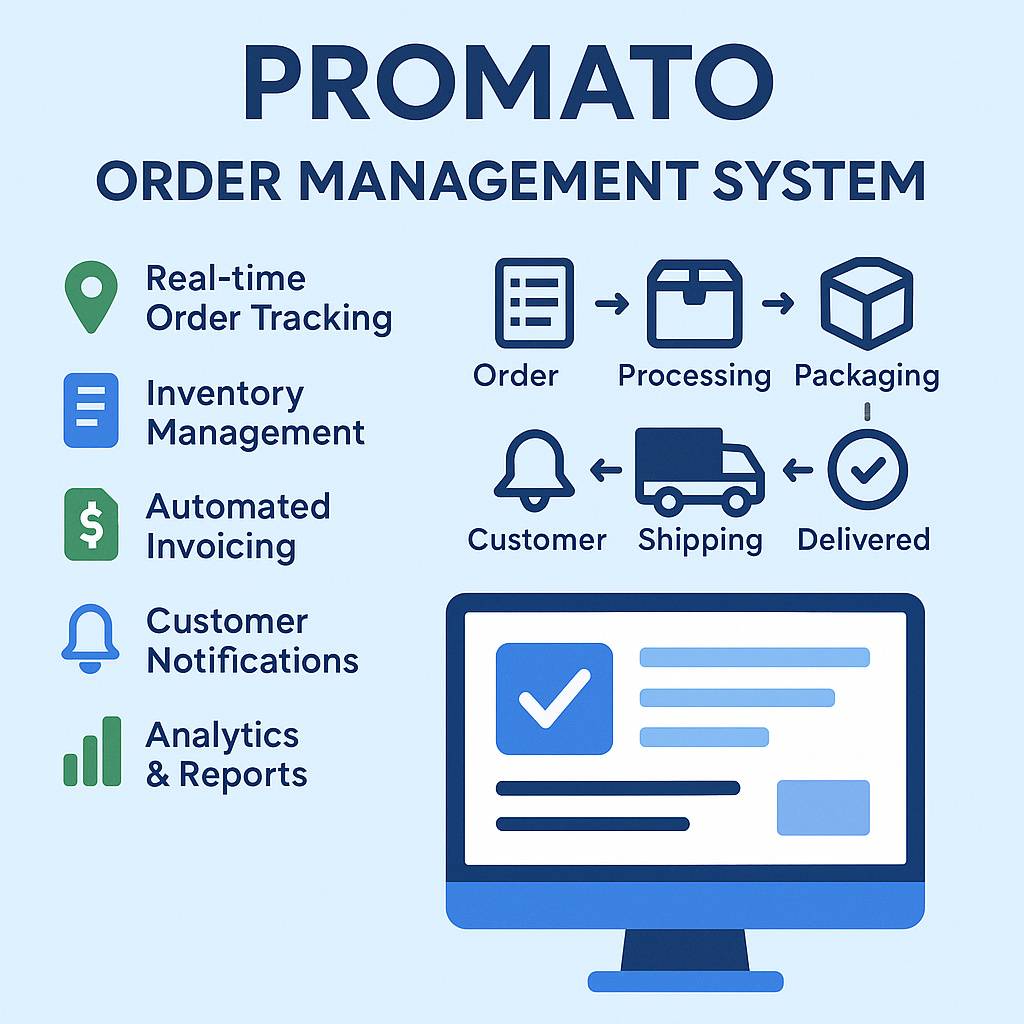
Order management software is a tool that helps businesses track and manage customer orders from the moment a sale is made until the product is delivered. It automates and organizes the entire order process, which includes:
- Receiving orders
- Updating inventory
- Processing payments
- Managing shipments
- Handling returns
Instead of doing all this manually (or juggling between spreadsheets and emails), you use one system to keep everything under control. This is called an order management system, or OMS software for short.
The benefits of implementing order management software are manifold. It reduces human errors, speeds up order processing, and improves customer satisfaction. By providing real-time updates on order status, businesses can enhance transparency and build trust with their customers.
Furthermore, order management software supports scalability, allowing businesses to handle increasing order volumes without compromising on efficiency. As retailers expand their operations, this software ensures that order processing remains smooth and reliable.
E-commerce Order Management: Meeting the Demands of Online Shopping
With the rise of e-commerce, managing online orders has become a critical aspect of retail operations. E-commerce order management involves handling a large volume of orders from various channels, including websites, mobile apps, and marketplaces.
Order management software for e-commerce provides a centralized platform for managing orders from multiple sources. It enables retailers to synchronize inventory across channels, process payments securely, and coordinate shipping efficiently. This software also supports personalized customer experiences by offering features like order tracking, notifications, and easy returns.
In the competitive e-commerce landscape, order management software helps businesses stand out by ensuring fast and reliable order fulfillment. It allows retailers to offer seamless shopping experiences, which are crucial for customer retention and loyalty.
In conclusion, order management software is a vital component of modern retail operations. It enhances inventory management, streamlines supply chain processes, empowers retailers with technological solutions, and meets the demands of e-commerce. By implementing this software, businesses can improve efficiency, reduce costs, and deliver exceptional customer experiences.