In today’s fast-paced business world, efficient distribution management is no longer just an operational requirement it’s a competitive advantage. Whether you’re managing a small enterprise or a large distribution network, ensuring that products move seamlessly from suppliers to customers is critical to maintaining customer satisfaction, reducing costs, and increasing profitability.
This is where ERPNext software comes into play. By offering a unified platform that covers inventory, order processing, logistics, and reporting, ERPNext enables businesses to streamline their distribution operations, minimize errors, and make data-driven decisions. With Dubai’s growing commercial and retail sector, the demand for robust distribution solutions has never been higher. Industry reports indicate that companies with efficient distribution systems experience up to a 20% reduction in operational costs and significantly faster delivery times.
In this blog, we’ll explore how ERPNext can transform distribution management, its key features, benefits, and best practices for implementing it effectively.
Understanding Distribution Management
Distribution management is the backbone of any business that moves products from manufacturers to end-users. It encompasses several interconnected functions that ensure smooth operations. Inventory management is the foundation, ensuring that stock levels are accurate and replenished timely. Without proper inventory control, businesses risk stockouts or overstocking, both of which can affect profitability.
Order management is another vital component. Efficient order processing involves accurately capturing orders, coordinating with warehouses, and ensuring timely fulfillment. Mismanaged orders can result in delayed deliveries and dissatisfied customers.
Additionally, supply chain management plays a crucial role in maintaining a consistent flow of goods. From managing supplier relationships to monitoring procurement and replenishment cycles, supply chain efficiency directly impacts operational costs.
Finally, logistics and transportation management ensure that products reach the right location on time. From warehouse dispatch to last-mile delivery, optimizing logistics reduces delays, minimizes errors, and enhances customer experience. By integrating all these aspects, businesses can achieve a seamless and responsive distribution process.
How ERPNext Can Help with Distribution Management
ERPNext software offers an all-in-one solution for businesses looking to optimize distribution management. Its inventory management capabilities allow businesses to track stock levels, movements, and valuations in real-time. Automated alerts for low-stock or overstock situations ensure that inventory is always optimized, preventing unnecessary capital lock-in.
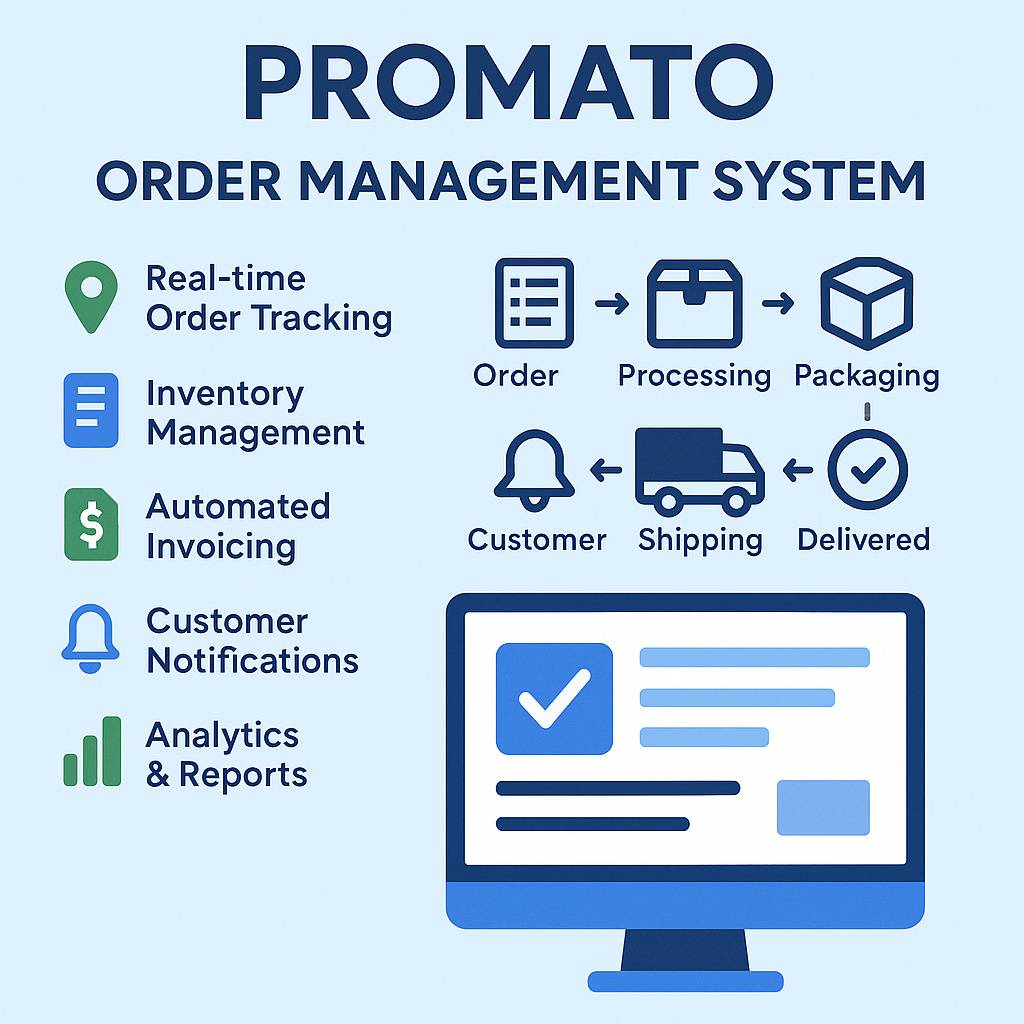
For order management, ERPNext enables businesses to process orders efficiently from multiple channels. Whether orders come from online stores, retail outlets, or direct clients, the software streamlines fulfillment, shipping, and invoicing, reducing errors and ensuring timely deliveries.
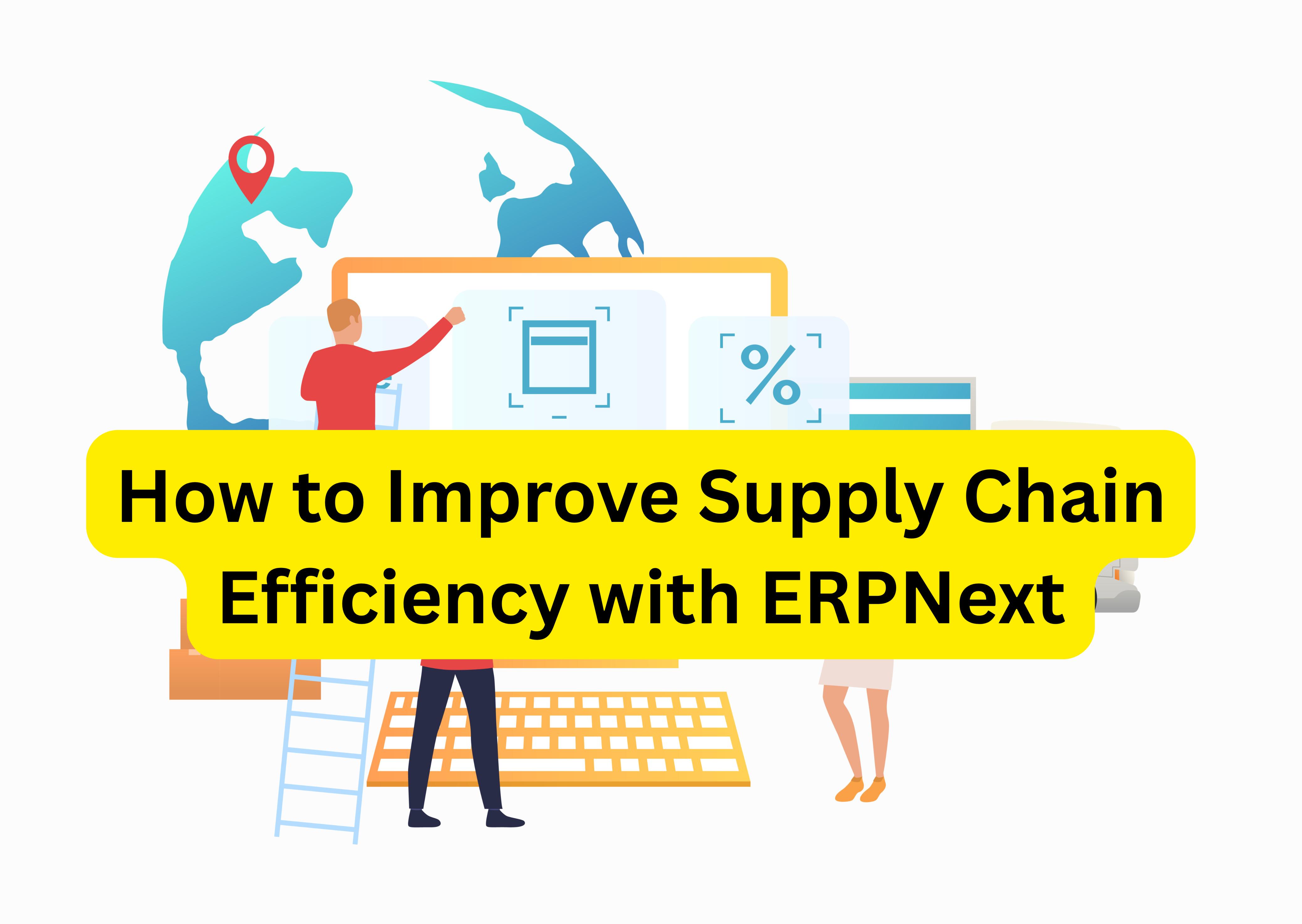
In terms of supply chain management, ERPNext allows seamless coordination with suppliers. Procurement workflows are automated, supplier performance is tracked, and inventory replenishment is scheduled intelligently based on demand patterns. This not only strengthens supplier relationships but also ensures uninterrupted product availability.
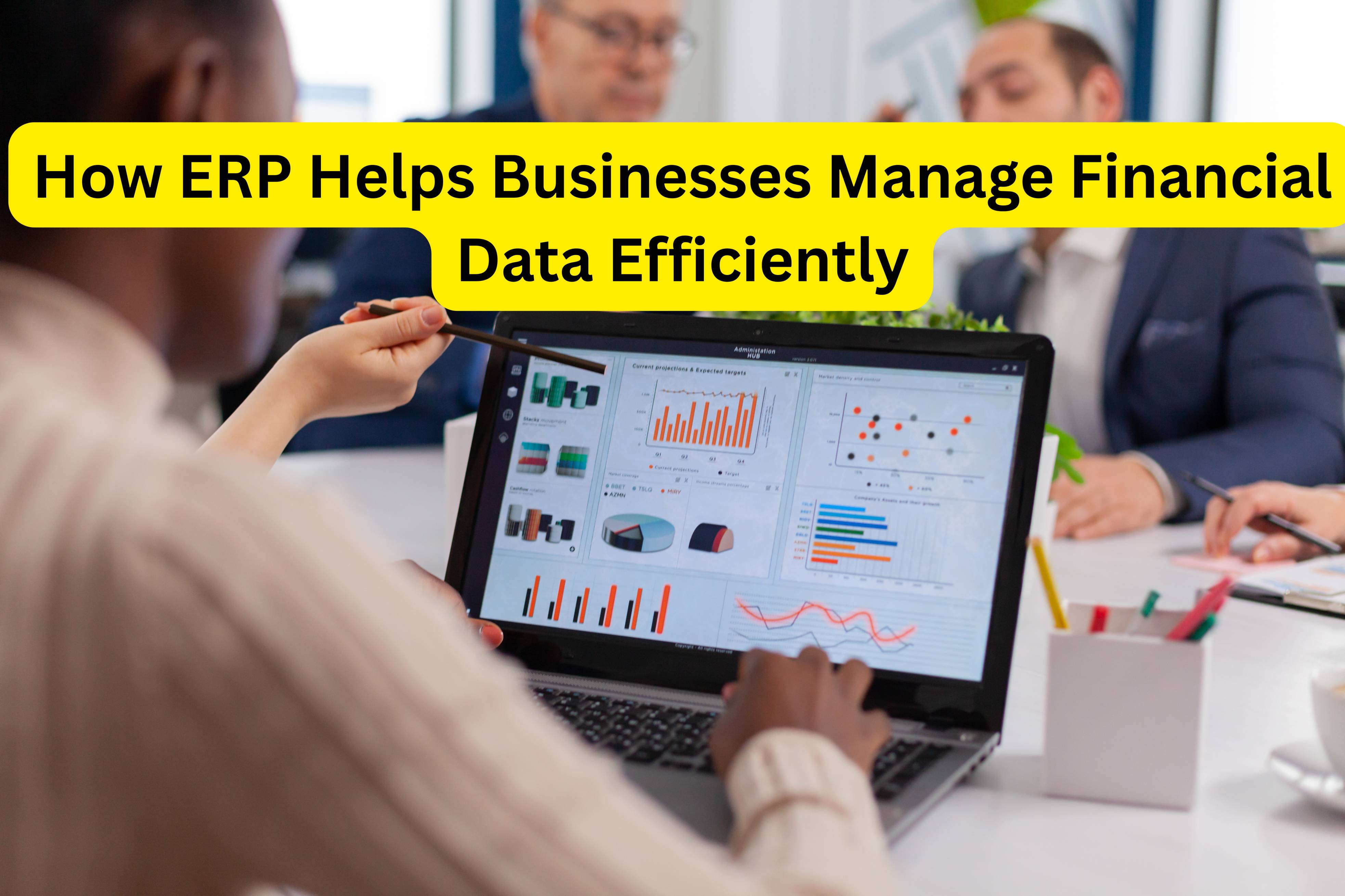
The reporting and analytics feature is a game-changer for distribution management. Businesses gain real-time insights into inventory turnover, order processing efficiency, and supply chain performance. Customizable dashboards and reports enable managers to make informed decisions, identify bottlenecks, and implement corrective actions proactively.
By combining these features, ERPNext creates a robust ecosystem where every aspect of distribution is interconnected, automated, and optimized for efficiency and profitability.
Key Features of ERPNext for Distribution Management
ERPNext is designed with comprehensive functionalities tailored for distribution businesses. Its warehouse management system allows precise control over storage, picking, and dispatch operations, ensuring that inventory is managed efficiently. Businesses can track product locations within warehouses, optimize storage layouts, and reduce retrieval times.
Transportation management is another core feature. ERPNext helps coordinate shipping schedules, track shipments, and manage logistics providers, ensuring products reach customers promptly. Businesses can monitor transportation costs and routes, improving delivery efficiency and reducing expenses.
Order fulfillment within ERPNext integrates seamlessly with inventory and transportation modules. From packaging to shipping, every step is managed systematically, ensuring accurate and timely order deliveries. The returns management module further enhances operational efficiency by handling refunds, exchanges, and returns workflows without disrupting inventory or financial records.
These integrated features empower businesses to maintain smooth distribution operations, meet customer expectations, and respond effectively to market fluctuations.
Benefits of Using ERPNext for Distribution Management
Implementing ERPNext software brings numerous benefits for businesses involved in distribution. By automating inventory, order, and logistics processes, companies achieve improved efficiency and productivity, freeing staff to focus on strategic tasks.
Enhanced visibility into every step of the distribution chain ensures better decision-making. Managers can monitor real-time stock levels, assess supplier performance, and track order fulfillment, enabling informed strategies that reduce costs and prevent delays.
Customers benefit as well, with accurate deliveries and faster response times, leading to enhanced customer satisfaction and loyalty. Additionally, streamlined operations and data-driven insights contribute to increased profitability and competitiveness, making ERPNext a smart investment for any distribution-focused business.
Implementation and Integration
Implementing ERPNext requires a structured approach. Planning and preparation are crucial; businesses need to map their workflows and define objectives before deployment. Once implemented, configuration and customization ensure that ERPNext aligns perfectly with the company’s distribution processes.
Training and support are essential for user adoption. Staff should be trained to leverage ERPNext’s features effectively, while ongoing support ensures smooth operations. Finally, integration with other business systems like accounting, CRM, and procurement enhances overall efficiency, creating a seamless operational ecosystem.
Conclusion
Efficient distribution management is the cornerstone of business success, and ERPNext software provides a robust, integrated solution to simplify and optimize these processes. From inventory control to order fulfillment, supply chain management, and analytics, ERPNext empowers businesses to operate efficiently, reduce costs, and improve customer satisfaction.
For companies looking to elevate their distribution operations, exploring ERPNext is a step toward smarter, data-driven decision-making. KyleSolutions, one of the best business solution providers in Calicut and across Kerala, can help businesses implement ERPNext effectively, ensuring a smooth transition and maximum ROI.