In the heart of Abu Dhabi, Masdar City stands as a living model of what a sustainable, low-carbon urban environment can look like. With its iconic architecture and pioneering technologies, the city is not just a symbol of future urban living—it’s also a global testbed for innovative transport solutions. At the core of its vision lies a commitment to sustainable future mobility, prioritizing environmental stewardship, energy efficiency, and smart design.
Why Sustainable Mobility Matters
Urban transport is one of the largest contributors to global greenhouse gas emissions. As cities expand and populations grow, the strain on existing transport infrastructure intensifies. Conventional vehicle usage leads to increased emissions, traffic congestion, and a reduced quality of life for urban dwellers. To address these challenges, forward-thinking cities like Masdar are reimagining transportation from the ground up—focusing not only on cleaner fuels but also on smarter systems, integrated infrastructure, and human-centric design.
Masdar City: Built for Sustainable Mobility
Unlike retrofitted cities that adapt to sustainability goals after it was originally built, Masdar City was designed from the ground up with sustainability in mind. The city’s master plan is structured to minimize the need for private car use. With narrow, shaded streets that encourage walking, integrated public transport systems, and strategically placed transit stations, mobility is streamlined, efficient, and environmentally friendly.
From the outset, the city has embraced a car-lite model—one that emphasizes shared mobility, electric vehicles, and autonomous transport over conventional combustion-engine cars. Residents and visitors can easily navigate the city using electric scooters, autonomous shuttles, and a range of clean transportation options designed to reduce carbon impact.
The Personal Rapid Transit (PRT) System: A Pioneering Step
One of Masdar City’s most iconic innovations in urban mobility is its Personal Rapid Transit (PRT) system—an autonomous, electric pod network that transports people along a dedicated guideway. Initially launched as a pilot, the system set the standard for what a fully integrated, sustainable transport solution could look like in an urban setting.
These pods provide zero-emission, on-demand travel with minimal wait times and no fossil fuel consumption. Quiet, efficient, and driverless, the PRT system serves as a compelling prototype for cities around the world seeking to reduce transport-related emissions while enhancing convenience and safety.
Electric and Autonomous Vehicles: A City-Wide Commitment
Masdar City is at the forefront of electric and autonomous vehicle adoption. In collaboration with local and international partners, the city hosts trials and deployments of cutting-edge EV technologies and autonomous shuttles. These initiatives not only help reduce emissions within the city but also generate valuable data and insights into how these technologies perform in real-world conditions.
For example, the Navya autonomous shuttle, tested in the city, demonstrated how self-driving technology can be safely integrated into mixed-use environments, transporting passengers seamlessly through pedestrian zones and vehicle lanes. These trials are essential for refining vehicle design, navigation algorithms, and safety protocols—positioning Masdar City as a global leader in clean mobility.
Mobility as a Service (MaaS) and Digital Integration
Modern mobility is no longer just about moving people from point A to point B—it’s about doing so in an integrated, convenient, and user-centric manner. Masdar City has embraced the concept of Mobility as a Service (MaaS), leveraging digital platforms to consolidate various transportation modes into a single, seamless interface.
Through mobile apps and smart ticketing systems, users can plan, book, and pay for multimodal journeys that may include walking, biking, electric shuttles, or autonomous pods. This seamless integration not only enhances the user experience but also supports sustainability by promoting shared and public transportation options over private car use.
Pedestrian-First Design and Micro-Mobility
At street level, Masdar City is a walker’s paradise. Designed to mitigate the urban heat island effect and protect pedestrians from direct sunlight and high temperatures, the city features shaded walkways, wind towers for passive cooling, and a compact layout that makes walking and cycling the preferred means of transport.
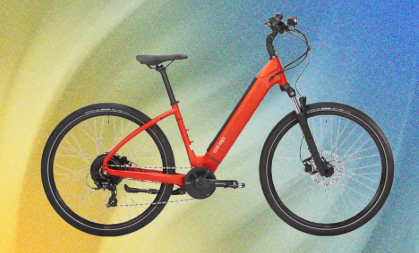
Micro-mobility options such as e-scooters and electric bikes are widely available, further reducing reliance on traditional vehicles. These systems address the ‘last mile’ challenge—connecting users from transit stops to their homes or workplaces—thus increasing overall efficiency and reducing transport-related emissions.
Public-Private Partnerships Driving Innovation
Masdar City’s mobility ecosystem thrives on collaboration. Through partnerships with global technology firms, research institutions, and mobility startups, the city functions as a live example for next-generation transport solutions. These partnerships foster innovation while ensuring that the solutions tested are scalable, commercially viable, and adaptable to various urban contexts.
One example is the city’s collaboration on EV charging infrastructure, ensuring that the electricity powering these vehicles is sourced from clean, renewable energy. This full-cycle sustainability approach—where clean energy powers clean transport—embodies Masdar City’s holistic vision for a carbon-neutral future.
Data-Driven Decision Making
An often-overlooked pillar of sustainable mobility is the strategic use of data. Masdar City employs a wide array of sensors and IoT technologies to monitor traffic patterns, vehicle usage, energy consumption, and environmental conditions. This data-driven strategy enables city planners to optimize transit routes, enhance service reliability, and make informed decisions that strengthen sustainability outcomes.
Real-time analytics also power user-facing tools such as dynamic route planning and vehicle availability tracking. The result is a smarter, more responsive transport system that evolves alongside user needs and technological advancements.
Looking Ahead: Scaling Impact Beyond Masdar City
While Masdar City provides a controlled environment to test and refine sustainable mobility solutions, the ultimate goal is scalability. Insights and technologies developed here are being shared with urban planners, government agencies, and developers around the globe.
Through forums, pilot programs, and consulting initiatives, Masdar City is helping other urban centers embrace sustainable transportation—transforming clean, efficient, and accessible mobility from a local ambition into a global reality.
Conclusion: A Blueprint for Tomorrow
Masdar City’s sustainable mobility blueprint is not just about deploying cleaner vehicles—it’s about transforming the entire urban transportation ecosystem. From autonomous pods and electric shuttles to digital integration and pedestrian-first planning, the city exemplifies what the future of mobility should look like: clean, connected, and human-centered.
As the world searches for scalable solutions to its transport and climate challenges, Masdar City stands out as a proven model—where technology and sustainability work hand in hand to create better urban experiences for everyone. The journey toward a zero-emission transport future has already begun, and Masdar City is leading the way.