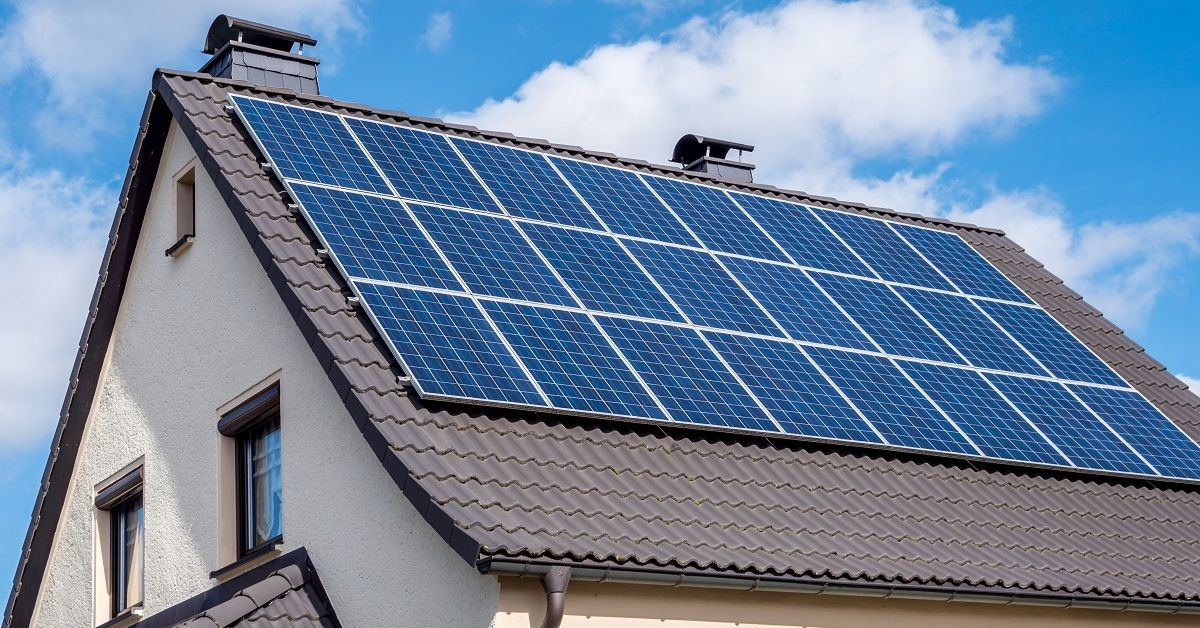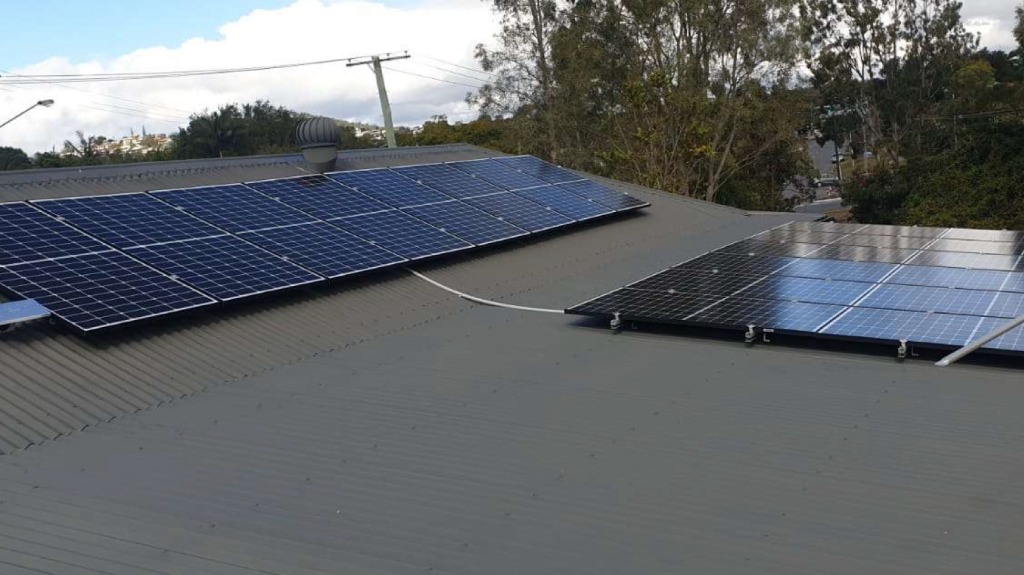
As energy prices continue to rise across Australia, property investors are increasingly turning to solar energy as a high-impact, long-term strategy for enhancing rental yields. By installing solar panels on a rental property, landlords can significantly improve its marketability, decrease tenant turnover, and secure higher rent, all while contributing to a more sustainable future.
This article explores the practical and financial advantages of installing solar systems on rental properties and how solar power can maximise its returns with this energy-efficient upgrade.
Solar Power for Landlords: A Smart Investment Strategy
Immediate Appeal to Tenants
Solar-equipped rental properties attract quality tenants who are environmentally conscious and motivated by long-term cost savings. In competitive markets, properties with solar panels stand out, particularly to families and professionals who value reduced utility bills and energy independence. Properties with solar installations often lease faster, resulting in shorter vacancy periods.
Higher Rent Potential
Landlords can justify higher rental prices when their properties include solar power systems. With tenants saving potentially hundreds of dollars annually on electricity bills, the added value of a solar system translates into increased rental income. According to recent reports, properties with solar panels in Sydney Australia may achieve $10–$20 more per week in rent.
Maximising Return on Solar Power Installation
Choosing the Right System Size
Selecting the appropriate system size is crucial to maximising ROI. A standard 6.6 kW solar system is often ideal for a three-bedroom home, offering a good balance between upfront costs and energy output. For duplexes or larger investment properties, scaling up the system size ensures optimal energy coverage and tenant benefit.
Take Advantage of Government Incentives
Australia offers various solar rebates and incentives that significantly reduce the cost of installation. Landlords may be eligible for:
Applying these incentives strategically allows landlords to recover their initial investment more quickly.
Understanding the Financial Metrics
Payback Period and ROI
With the right configuration and tenant contribution to solar usage, the average payback period for a residential solar system in Australia is around 3 to 5 years. Following payback, the solar installation continues to generate returns in the form of higher rent and increased property value, often yielding an annual ROI exceeding 15%.
Depreciation and Tax Benefits
Solar installations are depreciable assets. Landlords can claim depreciation deductions over the life of the system, reducing their taxable income. Pairing this with other tax-deductible property expenses amplifies the financial benefit.
Addressing the Split-Incentive Problem
One of the primary challenges for landlords with solar energy is the "split incentive," where the landlord pays for the system, but the tenant receives the benefits. Innovative solutions are emerging to resolve this:
Solar Service Agreements
Under a solar leaseback or service agreement, landlords install the system and charge tenants a reduced energy fee, often lower than standard grid prices. This approach allows tenants to enjoy savings while landlords recover installation costs.
Rent Adjustment Clauses
Rental agreements can include clauses that reflect the solar benefit. For example, rents can be incrementally increased to reflect the average savings tenants would otherwise spend on power bills, ensuring a fair return on the solar investment.
Long-Term Property Value Enhancement
Solar panels not only improve immediate cash flow but also elevate long-term capital growth. Energy-efficient features such as solar are increasingly sought after by buyers. As sustainability becomes a key purchasing driver, properties with solar installations will continue to command a premium in the Australian real estate market.
Solar Battery Storage: Is It Worth It?
For landlords seeking to go beyond standard solar setups, battery storage offers extended benefits. While the upfront investment is higher, batteries enable energy use after sunset, thereby boosting overall energy savings.
However, for rental properties, the ROI on batteries is currently slower due to the higher costs. A more cost-effective strategy may be to install battery-ready systems, giving the option to upgrade later when battery prices become more competitive.
Tenant Education and Engagement
Educating tenants on how to maximise their solar usage enhances system effectiveness and satisfaction. Key strategies include:
Proactive communication ensures tenants fully benefit from the system, which supports higher satisfaction and lease renewals.
Conclusion: Future-Proofing Investments with Solar
Adding solar to your rental property is more than an environmental gesture; it's a smart financial strategy. By investing in solar energy, landlords not only reduce operational costs but also increase rental income, improve property appeal, and prepare for a future where sustainability is a key asset. With rising energy prices and tenant demand for eco-friendly living, solar power stands as one of the most effective ways to maximise rental returns in the Australian property market.