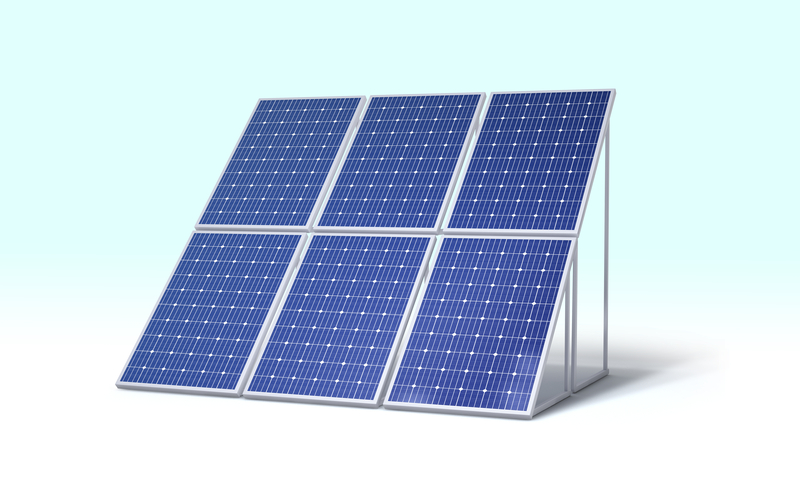
Choosing the right solar battery for home use is one of the most important decisions when setting up an efficient energy system. With rising electricity costs across Australia and increasing interest in energy independence, more households are turning to solar batteries to store excess power generated during the day. However, selecting the correct battery size can be confusing, as it depends on several factors unique to your home and lifestyle.
What Size Solar Battery Do You Need for a Typical Household?
The size of a solar battery is measured in kilowatt-hours (kWh), which indicates how much energy it can store. For a typical Australian household, battery sizes generally range between 5 kWh and 15 kWh. The right size depends on your daily energy consumption, solar panel output, and how much of your energy usage you want to cover with stored power.
A smaller household with lower energy usage may only need a 5–7 kWh battery, while a larger family home with higher consumption might require a 10–15 kWh system. The goal is to match your battery capacity with your evening and overnight energy usage, when solar panels are not generating electricity.
Understanding Your Daily Energy Usage
The first step in choosing the right battery size is understanding how much electricity your household consumes daily. In Australia, the average home uses around 15 to 25 kWh per day, depending on factors such as household size, appliances, and climate.
To determine your usage, you can review your electricity bill, which typically shows your average daily consumption. Pay close attention to how much energy you use during the evening and night, as this is when your battery will be most valuable.
If your household uses 20 kWh per day and around 10 kWh of that occurs after sunset, a battery with a usable capacity of approximately 10 kWh would be a suitable starting point.
Matching Battery Size to Solar System Output
Your solar battery should complement your solar panel system. If your panels do not generate enough excess energy during the day, a large battery may not fully charge, reducing its effectiveness.
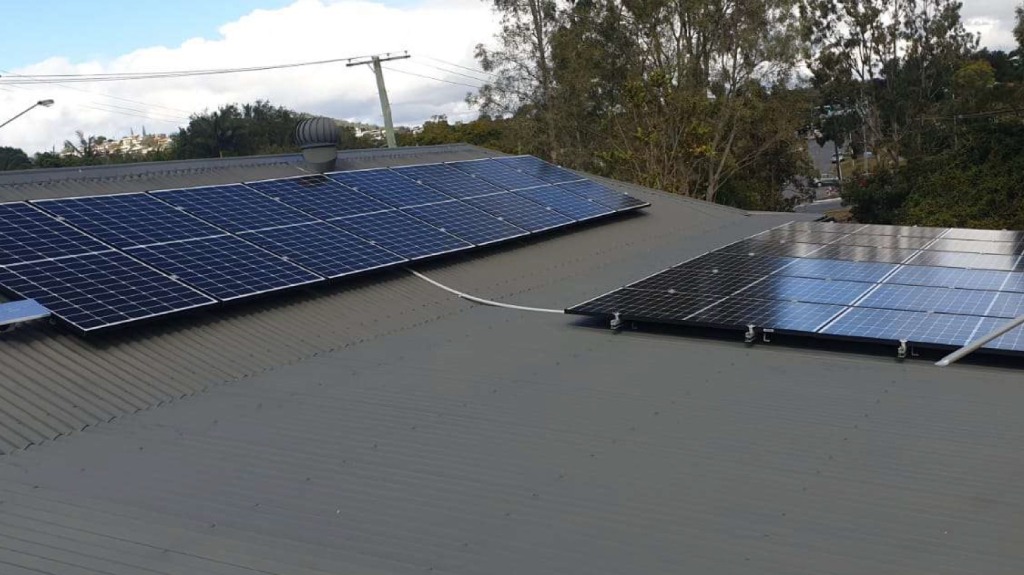
For example, a 6.6 kW solar system, which is common in Australian homes, typically produces around 20–25 kWh per day depending on location and weather conditions. If your daytime usage consumes most of this energy, there may be limited excess available to store in a battery.
In this case, you may either consider a smaller battery or optimise your energy usage by shifting certain appliances, like dishwashers or washing machines, to daytime hours to free up more solar energy for storage.
How Much Backup Power Do You Want?
Another important factor is whether you want your battery to provide backup power during outages. Not all systems are designed for this, but if backup capability is important, you will need to size your battery accordingly.
Think about which appliances you want to keep running during a blackout. Essential items might include:
Fridge and freezer Lighting Internet and charging devices Medical equipment
If you only need to power essential loads, a smaller battery may be sufficient. However, if you want to run larger appliances like air conditioning or electric cooking, a larger battery or even multiple batteries may be required.
Considering Depth of Discharge and Usable Capacity
Not all of a battery’s stored energy is usable. Most batteries have a recommended depth of discharge (DoD), which is the percentage of the battery that can be safely used without reducing its lifespan.
For example, a 10 kWh battery with a 90 percent DoD provides about 9 kWh of usable energy. When calculating your needs, always focus on usable capacity rather than total capacity.
This ensures you are getting an accurate estimate of how much energy the battery can actually deliver to your home.
Future Energy Needs and Scalability
When selecting a solar battery, it is also worth considering your future energy needs. Many Australian households are increasing their electricity usage due to:
Electric vehicles Home electrification Pool systems Home offices
If you expect your energy consumption to grow, it may be wise to choose a battery system that can be expanded later. Some systems allow you to add additional battery units as your needs change, providing flexibility without requiring a complete replacement.
Typical Battery Sizes for Australian Households
To simplify the decision, here is a general guide based on household size and energy use:
Small households or apartments with low energy use may suit a 5–7 kWh battery Medium households with moderate usage often benefit from a 8–12 kWh battery Large households with high energy demands typically require a 12–15 kWh battery or more
These ranges are only guidelines, and the best choice will depend on your specific usage patterns and solar generation.
Balancing Cost and Value
While it may be tempting to install the largest battery possible, it is important to balance cost with actual energy needs. Oversizing your battery can lead to unnecessary expense, especially if you are not able to fully utilise its capacity.
On the other hand, a battery that is too small may not provide the level of energy independence you are aiming for. The key is to find a balance where the battery size aligns closely with your consumption and solar generation.
In many cases, starting with a moderately sized battery and monitoring your usage over time can be a practical approach.
The Role of Energy Efficiency
Improving your home’s energy efficiency can also influence the size of the battery you need. Simple steps such as using energy-efficient appliances, improving insulation, and reducing standby power can lower your overall consumption.
By reducing your energy needs, you may be able to install a smaller and more cost-effective battery while still achieving your goals.
Final Thoughts
Choosing the right solar battery size for a typical household involves more than just picking a number. It requires a clear understanding of your energy usage, solar system performance, and long-term goals.
For most Australian homes, a battery between 8 kWh and 12 kWh provides a good balance of performance and value. However, the ideal size will always depend on your unique circumstances.
By carefully assessing your needs and planning for the future, you can ensure your solar battery delivers reliable, efficient, and cost-effective energy storage for years to come.


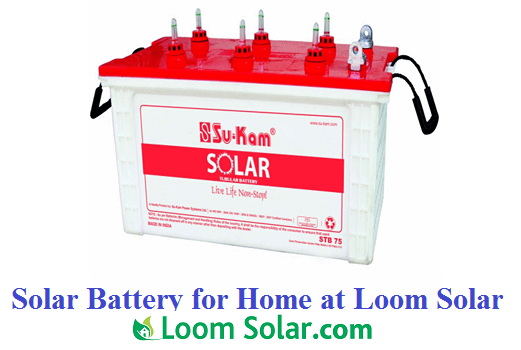
Solar Battery:- Solar batteries are C10 rating deep cycle battery designed for connecting with solar charge controllers, inverters for giving power backup at night.
Lead acid batteries are not sealed and Maintenance free hence it requires water top up once in 3-6 month.Solar Battery Price:- Solar battery price depends upon Battery AH and Warranty, The price ranges from Rs.
The Tubular Technology batteries with 5 years of replacement warranty will be the costliest as tubular battery indicates latest technology with higher energy efficiency in batteries.
The other important factor which impacts the price of batteries in India areSolar Battery ModelAverage Selling Price20 Ah - 5 years warranty, Tubular solar batteryRs.
7,50080 Ah - 5 years warranty, Tubular solar batteryRs.
13,000150 Ah - 3 years warranty, Tubular solar batteryRs.